
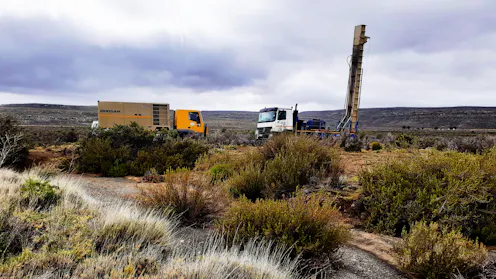
South Africa is moving to regulate groundwater more tightly as demand and climate pressures grow, but the draft rules still fall short in important ways.
- Associate Professor in the Centre for Environmental Management, University of the Free State
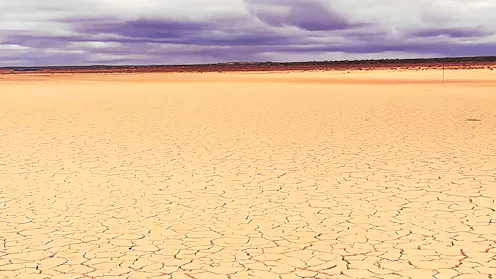
South Africa’s driest regions rely on groundwater, which dries up as the climate warms. Replenishing aquifers with excess rainfall may be a solution.
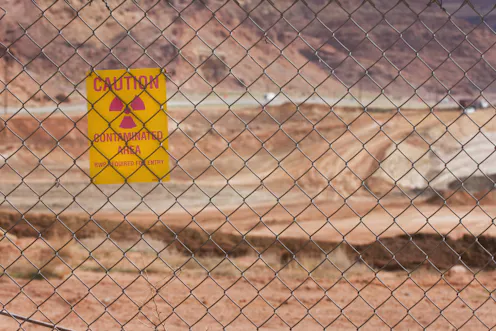
A uranium mine wants to drill into a giant aquifer system the size of Austria.
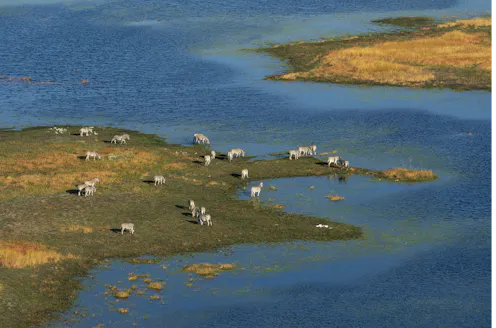
Oil and gas exploration pose a threat to the Okavango River Basin water resources. The Namibian and Botswana governments need to properly assess the risk of contamination.
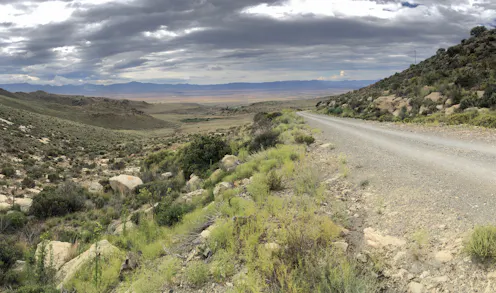
New regulations for protecting water resources during oil exploration are inadequate and should be reviewed.
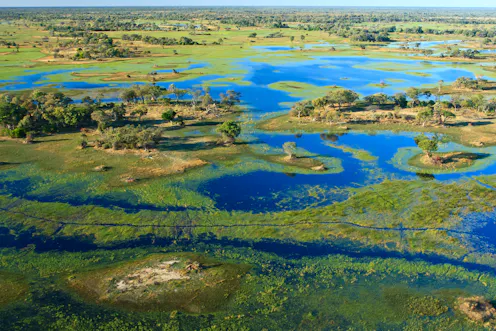
Fracking in Botswana could have an impact not only the country’s groundwater, but also that of Namibia and South Africa.
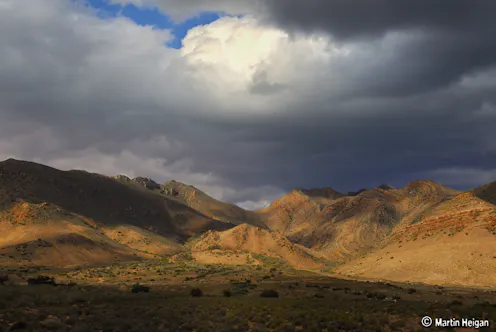
It is extremely important to monitor local seismic activity before fracking starts to avoid causing harm.

A vulnerability map could help assess the risks associated with fracking and groundwater which around 300 towns depend on in South Africa’s Karoo.
Contact Surina for
- General
- Speaking request
- Consulting / Advising
- Research collaboration
- Research supervision
- Location: Free State, South Africa
- Website
- Article Feed
- ORCID
- Joined
