
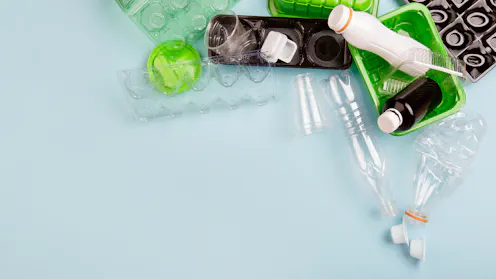
Plastic pollution is often hidden in plain sight – behind positive “eco” or “recyclable” labels, within supply chains and under the convenience of online shopping.
- Professor of Ocean Policy and Economy, University of Portsmouth
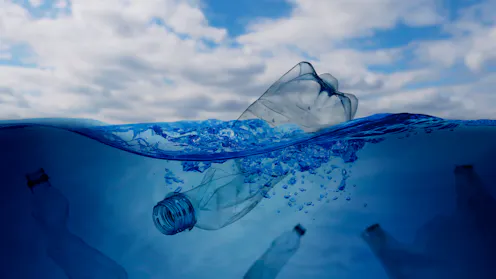
Perundingan perjanjian plastik global di Jenewa berakhir tanpa kesepakatan setelah lebih dari tiga tahun negosiasi.
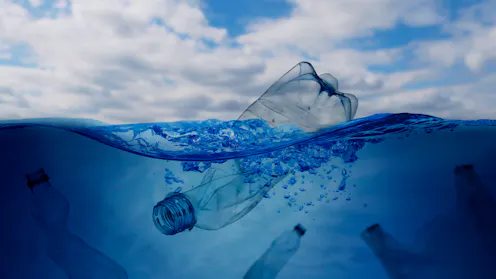
Global plastics treaty talks in Geneva have ended without agreement after more than three years of negotiations.
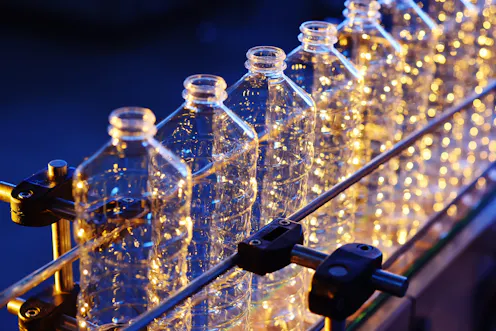
Oil-rich nations and the petrochemical industry put up the strongest opposition to a pact.
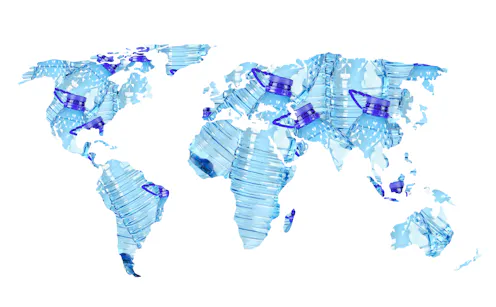
Global action has always been the missing piece of the picture, as the plastics economy transcends national boundaries. A new treaty could change that.
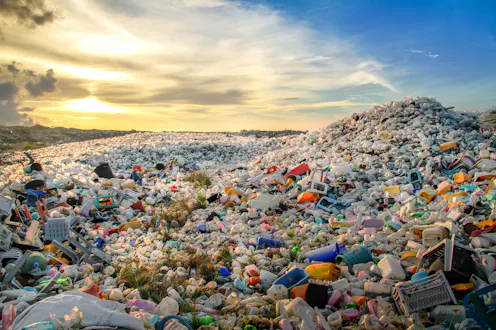
The treaty focuses on ending plastic pollution, not eliminating the use of plastics. But some countries are more ambitious than others.
Pencemaran plastik terkait dengan ‘throwaway culture’ yang mengakar di banyak masyarakat dunia. Jika tidak dibarengi strategi perubahan perilaku, larangan plastik hanya menciptakan perubahan kecil.
How to make England’s new ban a success.
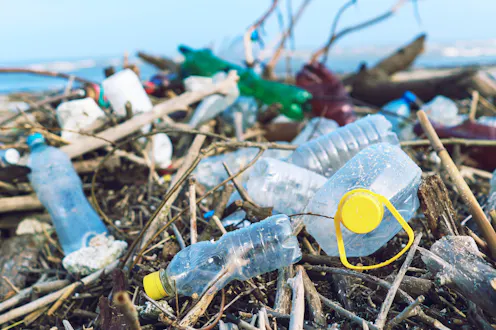
Many countries export their plastic waste abroad – but the mismanagement of this plastic waste is one of the leading causes of plastic pollution in nature.
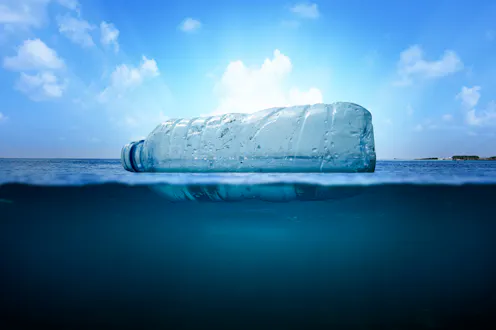
Without action in the next five years, an extra 80 million tonnes of plastic may end up in the ocean by 2040.
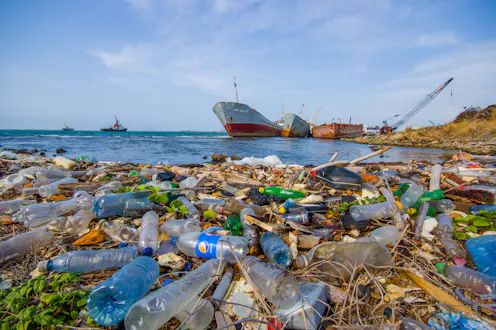
What groups like the G20 can do to help fix the problem.
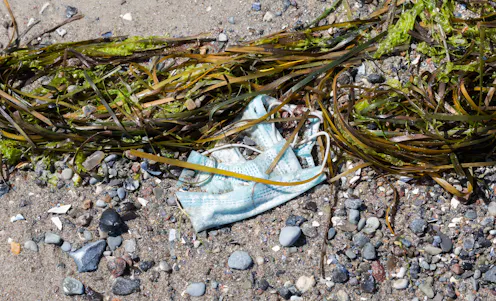
As face marks and coverings become compulsory worldwide, littering and their potential impact on the environment increases.
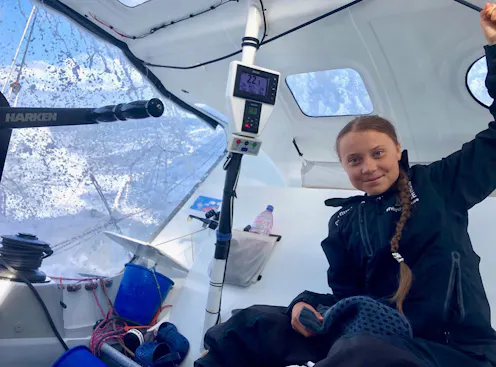
Traversing the Atlantic with a low-carbon footprint is possible – but only if you have time and money to spare.
Contact Steve for
- General
- Media request
- Speaking request
- Consulting / Advising
- Research collaboration
- Research supervision
- Location: Portsmouth, UK
- Website
- Article Feed
- Joined
