

Health has taken centre stage of the election campaign. Here’s what you need to know to make sense of the claims (and counter claims) of the major parties so far.
- Honorary Enterprise Professor, School of Population and Global Health, and Department of General Practice and Primary Care, The University of Melbourne
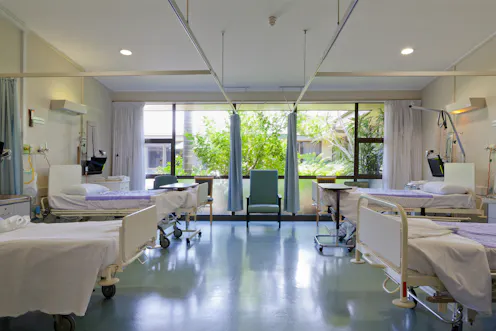
Here’s how the Turnbull/Morrison government performed on hospitals, primary care, pharmaceuticals and private health insurance.

The budget includes a step towards modernising Medicare, through a new annual payment for each person with diabetes who signs up with a specific GP.

Unlike health care for the rest of our body, dental care mostly comes out of our own pocket – and it’s not cheap. Many Australians go without and their health suffers.

Subsidies for private health insurance premiums cost the government over A$6 billion a year. Is it time to scrap the rebate and redirect these funds elsewhere in the health system?

The A$1.25 billion health funding boost isn’t based on any coherent policy direction. It’s designed to shore up support in marginal electorates.

Australians are waiting too long for elective surgery, dental care and treatment for mental health. It’s no wonder health is a vote-changer.
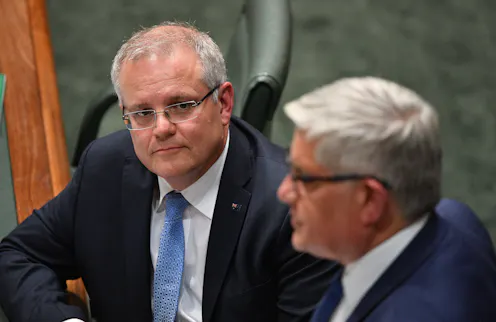
Prime Minister Scott Morrison has defended the Coalition’s spending on aged care as preparations for a Royal Commission into the sector get underway. We asked the experts to crunch the numbers.

Each year, inspectors visit Australian hospitals. But they’re less like secret shoppers who identify flaws, and more like guests of a carefully orchestrated performance. This needs to change.

Yes, doctors’ fees should be transparent, but that requirement alone doesn’t go far enough to combat “bill shock”. Specialists should also be required to set fees that are “fair and reasonable”.

Primary care services are usually our first point of contact with the health system. Each year, about A$50 billion – nearly a third of all health expenditure – is spent on more than 400 million primary…

Reports often talk about surgery wait times, but the time to actually see the specialist for the first time is the hidden waitlist.

One in four patients who stays overnight in hospital endures a complication.

It’s exciting to think we’re on the brink of a genomic revolution in health care. But just because new technology becomes available, it doesn’t mean it should automatically be publicly funded.

New medical staff start in January and may not be as skilled or adept as their predecessors, meaning more things go wrong.

The reality of how the so-called penalties will work won’t match the rhetoric.

We have lots of data about hospital safety, but it’s not used to make us safer or more comfortable when we’re admitted.

One would think governments would do all they could to ensure palliative care is available to all who need it. This is not the case in Australia today.

Whether a 10% discount is enough to increase health insurance take-up by young people, many of whom are in precarious employment arrangements or unemployed, is a question for the marketeers.
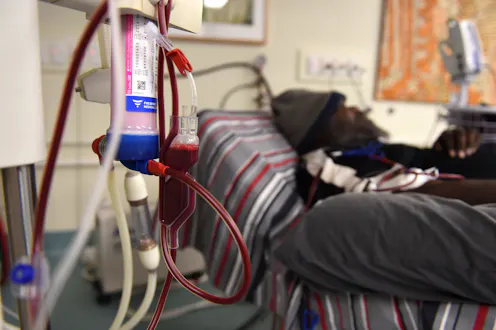
Australia was ranked top of the world in terms of the efficiency of our health care system and health outcomes, but only seventh in terms of equity.
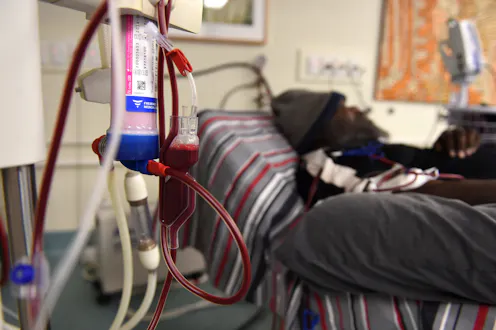
Le système de santé australien obtient de bons résultats. Mais il conserve toutefois quelques faiblesses. De nombreuses personnes, notamment, renoncent encore à des soins en raison de leur coût.
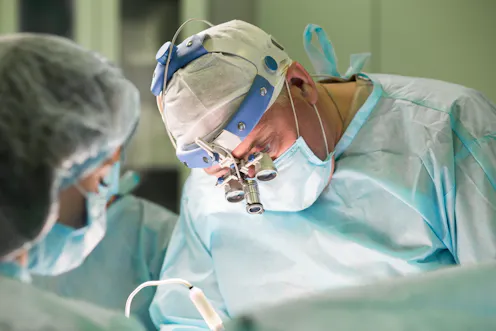
To work out how to reduce the out-of-pocket costs for specialist care, we first need to identify why they are so high.

Leaked documents of a secret ‘taskforce’ to reform public hospital funding reveal some controversial proposals. So how are hospitals funded and why might this need changing?

The fund is nothing more than a rebadging exercise in the hope people might think it is a new policy. And it’s being used to airbrush public hospitals out of the Medicare picture.

Health announcements in the federal budget include a slow lifting of the Medicare rebate freeze, money for new medicines, and an increase in the Medicare levy to fund the NDIS.
Contact Stephen for
- General
- Media request
- Speaking request
- Consulting / Advising
- Research collaboration
- Research supervision
- Location: Melbourne
- X (formerly Twitter): @stephenjduckett
- Article Feed
- ORCID
-
- Joined
