

People who need the most health care – the poor and the chronically ill – miss out on care the most. But there are ways to reduce this inequity.
- Honorary Enterprise Professor, School of Population and Global Health, and Department of General Practice and Primary Care, The University of Melbourne

Devalued and paid significantly less than nurses, it’s no wonder Australia’s aged care workforce have had enough.

Free rapid antigen tests makes public health sense and economic sense.

Australia needs a new home-care model – one that provides much more personalised support to help older people get the services they need and that manages local service systems for them.

Singapore will start charging people who choose not to be vaccinated for any COVID-related hospital care. While Australia’s hospitals are also under pressure, we shouldn’t follow suit.

Employers need to go beyond the public health orders to ensure their workers are safe from COVID. Here are four key areas to focus on.
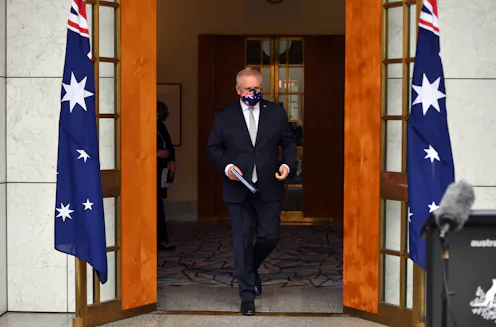
Brokering peace among the factions appearing in National Cabinet will be key to a successful transition to reopening Australia. But there are many gaps in the plan.
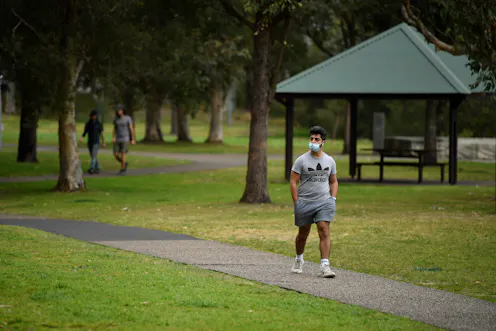
Governments cannot keep making unrealistic promises about easing restrictions at 70% and 80% adult vaccination, a plan that relied on optimistic scenarios in the first place.

Compared to ten similar countries, Australia does well on equity and health care outcomes. But it still has a way to go on access and how well the health system fits together.
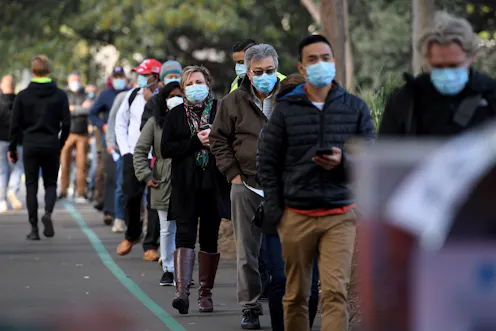
To get to stage C of the plan out of COVID, 80% of adults over 16 need to be vaccinated. But that equates to just under 65% of all Australians – too low to safely open international borders.

If we open up the international borders before enough of the population is vaccinated, hospitals could become overwhelmed and deaths would be unacceptably high.

With enough vaccine supplies coming online from October, the government has no excuse not to have all arrangements in place for an efficient vaccination program. Here’s what needs to change.
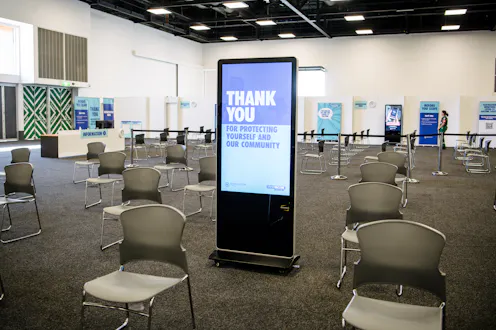
With higher rates of vaccination, the current COVID outbreaks may have been more easily managed.

With more than 850 changes to Medicare on the cards, the system needs time to adjust. Hasty implementation may mean patients face higher gap fees.

A sustainable private health insurance system requires enough young, healthy people paying premiums and not making claims. But government policies haven’t achieved this. Here’s what to try instead.

An extra A$17.7 billion for aged care seems like a lot, but it still falls short of the royal commission’s recommendations.
In a new report, we outline four important steps the government must take to achieve real change in Australia’s aged-care system.
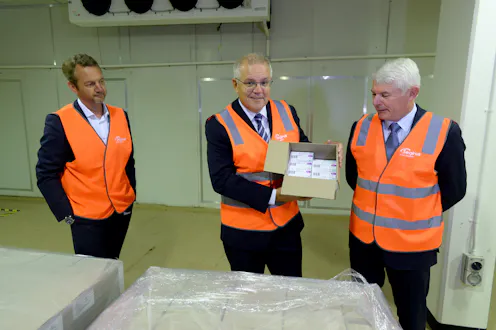
These mistakes have been mainly caused by our leaders giving priority to a good political story over good policy.
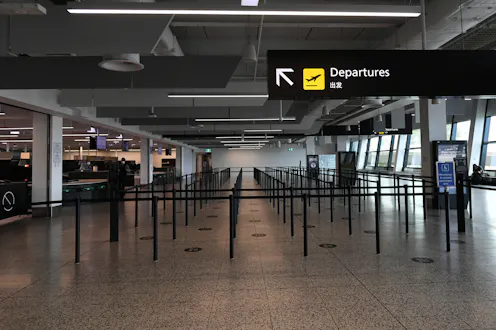
The government should be explicit about what proportion of the population will need to be vaccinated to warrant border reopening. Australians could then measure progress towards that goal.
Disappointingly, however, this report gives the government room to pick and choose recommendations as the cabinet likes.

Publishing hospitalisation data is a good start. But ultimately we need information about each aged care facility’s performance to be publicly available.

The Productivity Commission this week released the health section of its Report on Government Services. But what does it tell us, and why is it important?
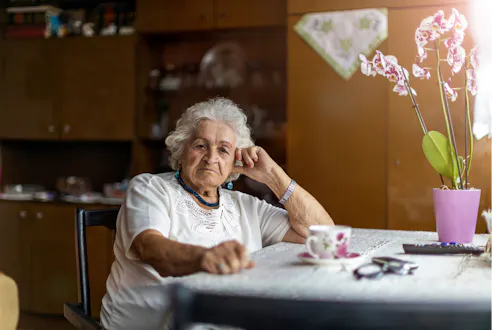
The federal government has announced A$850 million for 10,000 additional home-care packages, as part of $1 billion for aged care. Here’s why that’s not nearly enough.

From heatwaves to droughts to storms, climate change poses one of the biggest health threats to Australians. Yet the federal government makes no mention of it in its strategic health planning.

The royal commission into aged care has opened a priceless window for reform. A Grattan Institute report says this requires more funding, local accountability, and a louder voice for older Australians.
Contact Stephen for
- General
- Media request
- Speaking request
- Consulting / Advising
- Research collaboration
- Research supervision
- Location: Melbourne
- X (formerly Twitter): @stephenjduckett
- Article Feed
- ORCID
-
- Joined
