
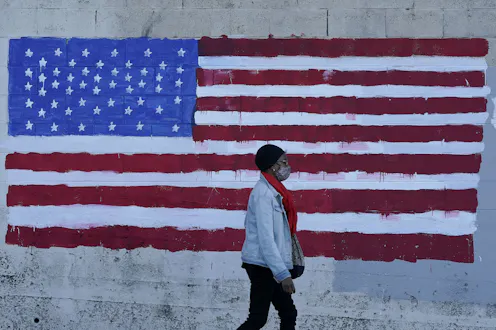
The US health system costs roughly twice as much as the Australian system per person. Despite this, the US has lower life expectancy than Australia.
- Honorary Enterprise Professor, School of Population and Global Health, and Department of General Practice and Primary Care, The University of Melbourne
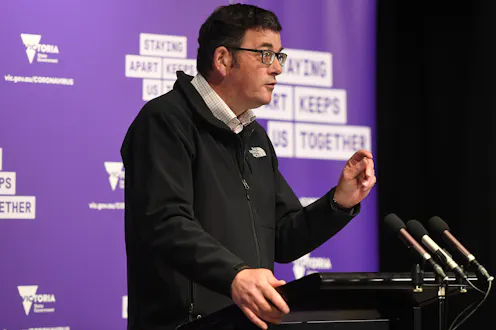
Victoria’s lockdown has been hard, but it now occupies a rare and envious position. As Victorians await new freedoms on the next step towards COVID-normal, they should feel a sense of accomplishment.
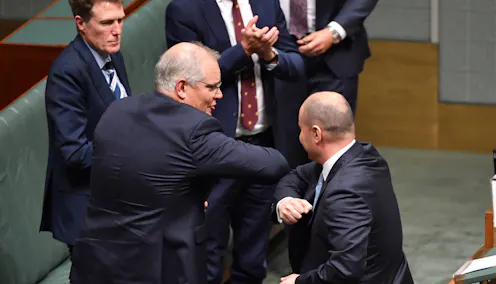
The search for a coronavirus vaccine and repairing the ailing aged-care sector are among the main health spends in the 2020 budget. But the biggest item was a $4.3bn pledge to subsidise many more drugs.
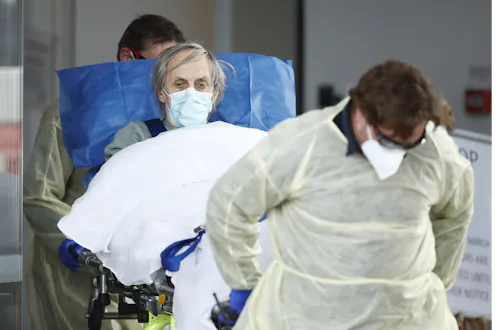
This year’s federal budget should include an aged-care trifecta: expansion in home care, greater transparency, and a rescue package.
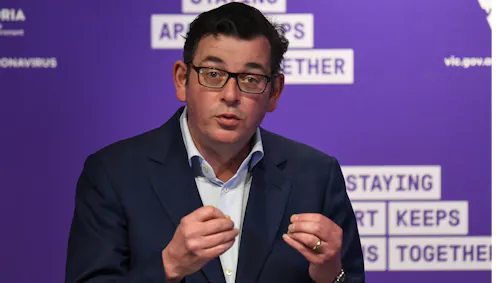
Victorian Premier Daniel Andrews has provisionally brought forward the lifting of lockdown after announcing 127,000 Melburnians can return to work this week amid ‘safe and steady’ lifting of restrictions.
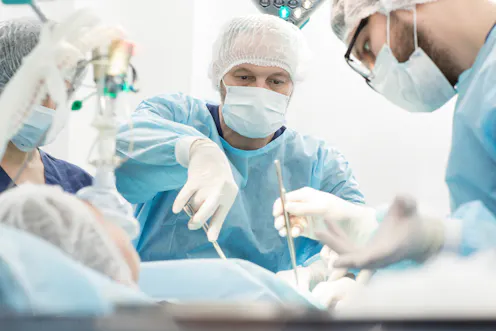
Hospitals in regional Victoria can now begin ramping up their elective surgeries again, with metropolitan Melbourne soon to follow. But six months of partial shutdown has left a significant backlog.
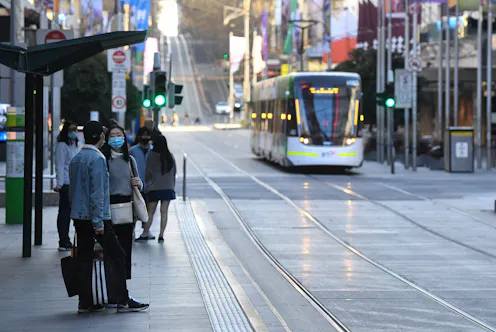
Overall, Victoria’s roadmap is good. It identifies the right goal, provides explicit criteria for when restrictions might be lifted, and involves mostly appropriate restrictions.
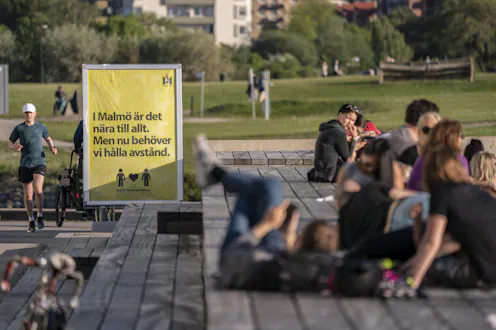
Despite a lighter lockdown, Sweden hasn’t avoided the damaging economic disruption experienced elsewhere.
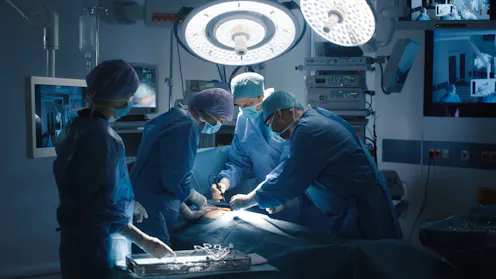
This news will be hard for patients who were deferred during the first wave of COVID-19. But it’s a vital move to ensure Victoria’s health system is in the best position to handle the second wave.
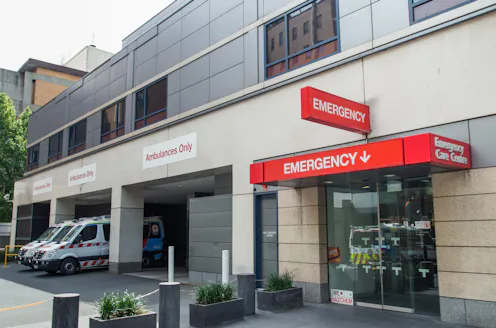
From the benefits of telehealth to the importance of integrating public and private systems, the COVID-19 pandemic offers several valuable lessons for Australia’s health system.

Australia has suffered far less death and disease from COVID-19 than other similar countries. But given the hesitant start and the Ruby Princess debacle, we could have done even better.
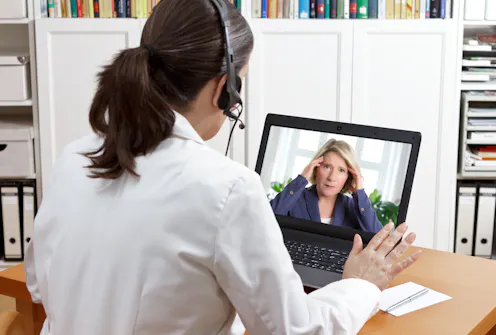
The pandemic has health professionals all around the country reaching out to their clients online. It’s a trend we should continue, to ensure the most disadvantaged don’t miss out on care.

If you’re scheduled for surgery in a private hospital, the hospital or surgeon will contact you. Public hospital patients shouldn’t expect to hear from the hospital until we hear more from the states.
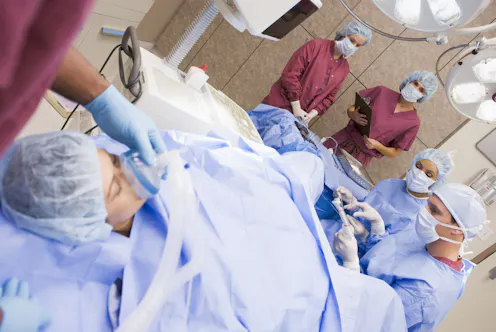
The COVID-19 pandemic gives us a chance to improve our elective surgery system when it restarts.

Elective surgeries have been halted as part of the health system’s response to coronavirus. But many are unnecessary and shouldn’t be rescheduled after the pandemic ends.
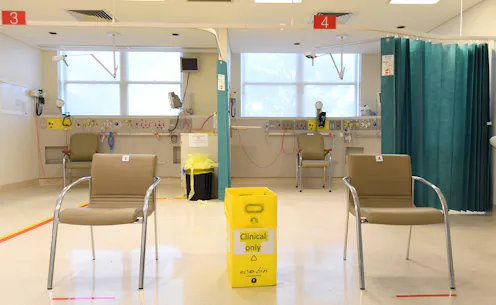
Over the past week, we’ve seen about 350 new cases per day. If this rate continues, Australia’s current ICU system will be able to cope.

New private health insurance data show young people are continuing to drop their cover. But the industry’s argument a youth exodus will put pressure on public hospitals isn’t necessarily right.

Young people don’t see the value in private health insurance and are dropping their cover in droves. Allowing under 55s to pay lower premiums, based on their lower risk, could keep them in the system.

Specialists can charge patients what they want, and some doctors charge exorbitant amounts. A handful of services account for almost 90% of all medical gaps.

Patients often want the option to be treated at home rather than being admitted to hospital. But it’s much less likely to happen if you’re a private patient.

Young people continue to cancel their private health insurance despite discounts to entice them to stay. Instead, we should reduce their premiums based on their likelihood of needing health care.
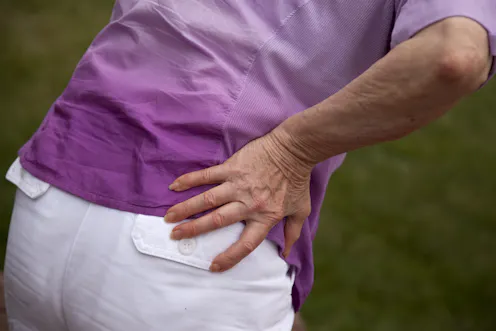
Health insurance costs are rising and the price of prostheses such as hip replacements are partly to blame. But there is a way to rein in costs – and give patients more choice and better devices.

Now that the Coalition has won the federal election, how will it meet its campaign promises on taxes, the environment, education, health and infrastructure?

Labor and the Coalition’s health policies and campaign strategy couldn’t be more different this election.
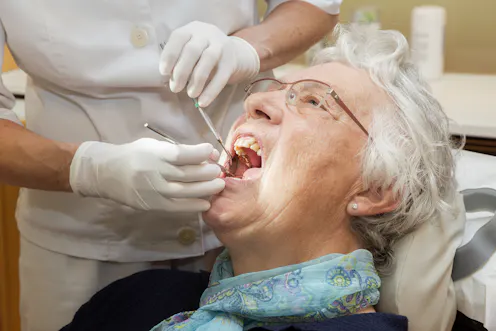
All Australians should have access to subsidised dental care, not just pensioners and children.
Contact Stephen for
- General
- Media request
- Speaking request
- Consulting / Advising
- Research collaboration
- Research supervision
- Location: Melbourne
- X (formerly Twitter): @stephenjduckett
- Article Feed
- ORCID
-
- Joined
