
The National Commission of Audit has made 86 recommendations with a focus on the federal government’s 15 biggest and fastest-growing areas of spending. Health is near the top of the list, with the Commission…
- Honorary Enterprise Professor, School of Population and Global Health, and Department of General Practice and Primary Care, The University of Melbourne

Like a movie zombie, a policy idea that should have died has arisen from the dead and is likely to feature as a cost-savings measure in next month’s budget. The idea is simple: most GP patients should…
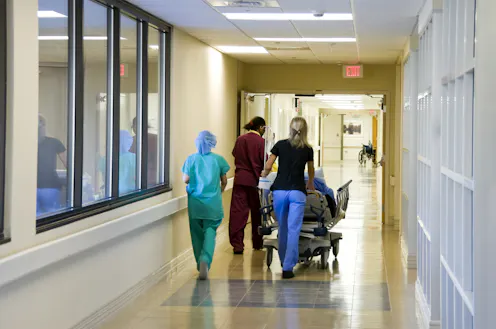
In the lead-up to the May budget, the seemingly inexorable rise in health spending has unleashed a “sustainability panic”: rhetoric that health system costs are out of control and drastic measures are…

Public hospital spending has been the single fastest-growing area of government spending over the past decade. As governments, policymakers and economists put health spending under the microscope, it’s…

Should the rich pay more for their health care? This question has raised its ugly head again after health minister Peter Dutton announced the Coalition government was considering more user-pays options…
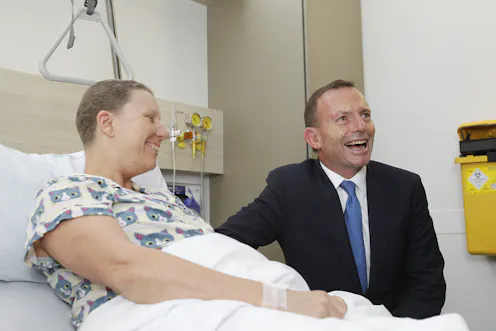
This year is crunch time for Prime Minister Tony Abbott’s health policies. The financing and policy changes from the Rudd-Gillard government are finally taking effect and the National Commission of Audit…
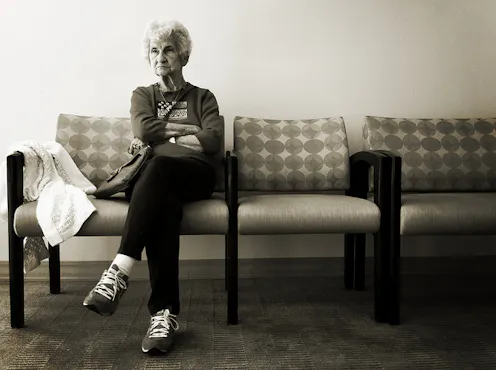
A new Grattan Institute report released today, Access all areas, tells a mixed story about Australians’ access to general practitioners (GPs). The good news is access is getting better in many parts of…
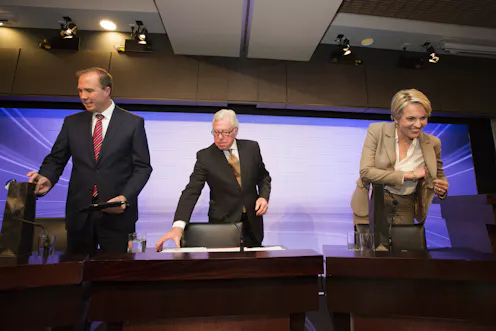
The dictionary has many words that could describe health policy in the 2013 federal election campaign – anodyne, soporific and vapid all come to mind. Australia’s health policy problems cannot afford the…
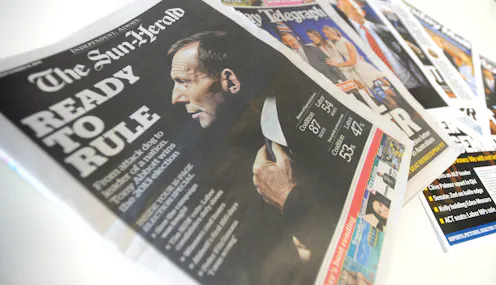
Australia has elected a Coalition government. So what will this mean for key policy areas? Our experts take a closer look at what’s in store for business, the economy, the environment, the National Broadband…
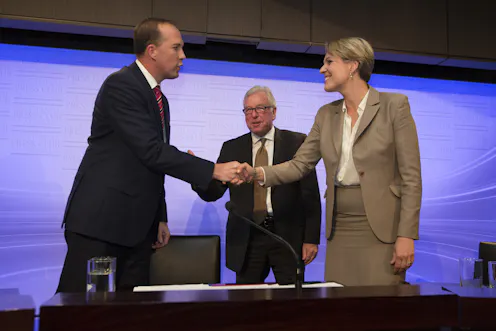
Today, the National Press Club hosted a debate between minister for health Tanya Plibersek and shadow minister Peter Dutton. I went to Canberra for the show and what was outstanding about this debate was…

The issue of training places for new medical graduates was again in the news last week when Health Minister Tanya Plibersek announced A$8 million to expand medical intern places in rural private hospitals…

Public-private partnerships for new hospital developments are again in vogue in Australia, with recent announcements that Sydney’s new northern beaches hospital and the new Sunshine Coast University Hospital…

“At the moment, we’ve got international graduates who are getting preference over Australian doctors in some states.” - Australian Medical Association president Steve Hambleton, National Press Club Address…

Australian Federal Treasurer Wayne Swan has handed down his sixth budget, facing an almost impossible task: how to reconcile an enormous revenue shortfall with big spending promises, all while keeping…

In the ninth part of our series Health Rationing, Stephen Duckett examines the government’s decision to extend the breast cancer screening program. As one of many pre-budget teasers, Health Minister Plibersek…

With health costs rising and costly medical innovations on the horizon, it’s crunch time for health funding. In the lead up to the May budget, The Conversation’s experts will explore the options for reining…

While the federal election is still months away, issues of health funding are already dominating the news. A Grattan Institute report released yesterday, for instance, noted the greatest budgetary pressure…

The Commonwealth could save A$1.3 billion each year by reforming the Pharmaceutical Benefits Scheme (PBS), according to a report released today by the Grattan Institute. The report, Australia’s bad drug…
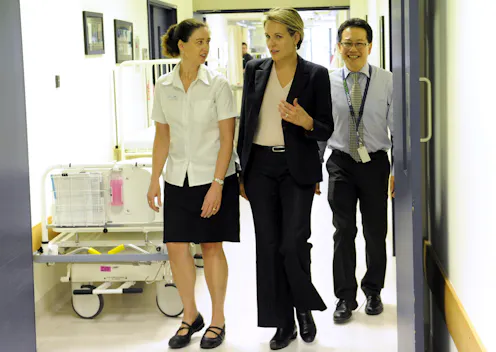
After months of battle between the Commonwealth and Victorian governments on hospital funding, Federal Health Minister Tanya Plibersek dramatically intervened last Wednesday by announcing a A$107 million…
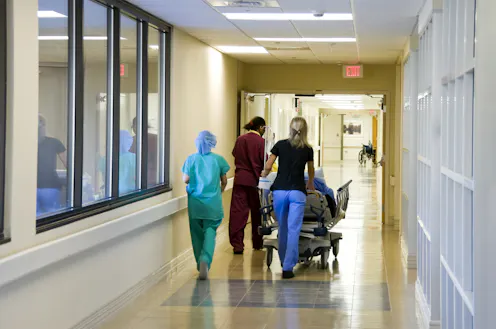
As Victorian hospitals have announced bed closures, job losses and elective surgery delays over the past six weeks, cuts to health service budgets look set to significantly affect patient care in the state…

Almost two hundred medical students from diverse countries have just finished their medical education as full-fee-paying students. They’re now looking for the one year of employment (internship) they need…
Recent media reports have highlighted an anomaly in residential aged-care funding in Australia: that day-to-day operations of facilities are governed by both Commonwealth and state government policies…
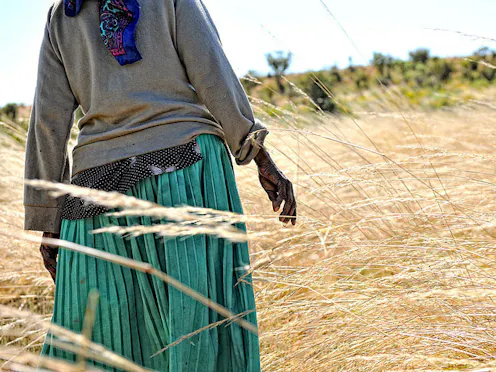
This is a story about two small Aboriginal communities in the Gulf region of North Queensland: Mornington Island and Doomadgee. They share two key characteristics with many other remote communities: very…
Contact Stephen for
- General
- Media request
- Speaking request
- Consulting / Advising
- Research collaboration
- Research supervision
- Location: Melbourne
- X (formerly Twitter): @stephenjduckett
- Article Feed
- ORCID
-
- Joined
