
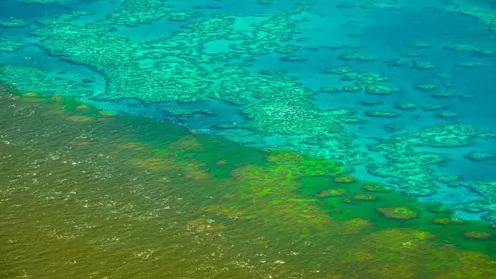
UNESCO’s comments confirm what experts already know: despite substantial money and effort, threats to the Great Barrier Reef aren’t going away.
- UNESCO Chair on Climate Change Variability of Natural and Cultural Heritage and Professor in Physics, James Cook University

The scale of climate threat is beyond the tools we have to manage the Great Barrier Reef. New measures and sustained effort are needed.
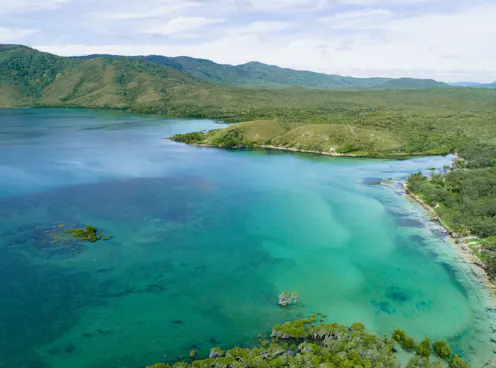
Australia’s Traditional Owners have survived climate shifts before. Bringing traditional ecological knowledge in contact with western climate scientists could help First Nations survive this one.
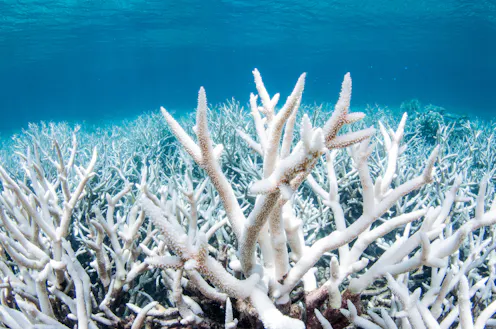
Efforts to save the reef aren’t tackling the main cause: climate change. What we need from our next federal government is strong leadership to avert the climate crisis.
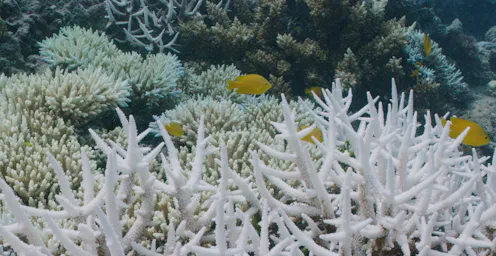
The reef is suffering environmental conditions that are so extreme, scientists are struggling to simulate these scenarios in laboratories.
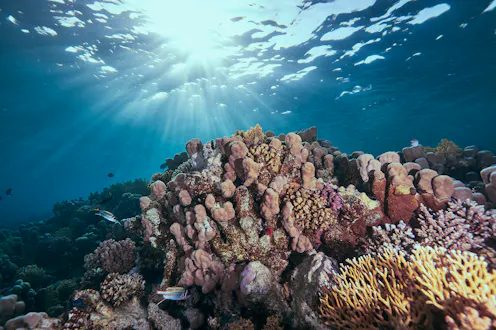
Marine heatwaves will happen so often that reefs will struggle to weather successive bleaching events.
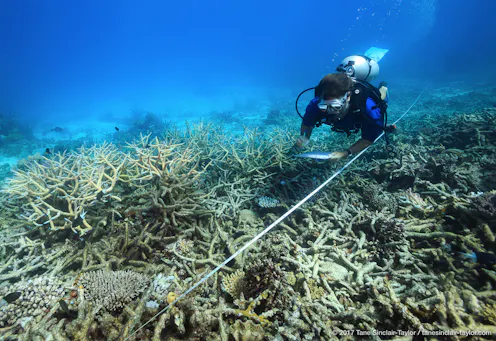
Saving the Great Barrier Reef is not about throwing money at it – what matters is how the dollars are spent.
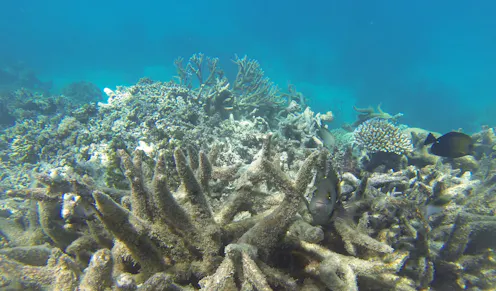
Friday’s decision from the World Heritage Committee doesn’t change the irrefutable evidence that dangerous impacts are occurring on the Great Barrier Reef.
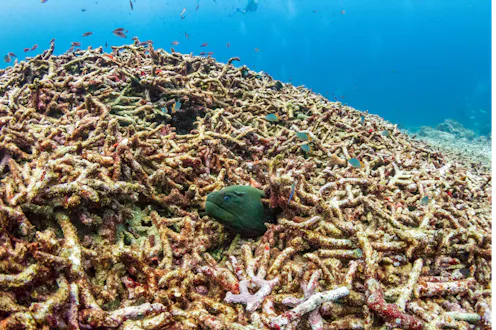
The development is significant for several reasons – not least that Australia’s progress under the Paris Agreement is being linked to its stewardship of the reef.
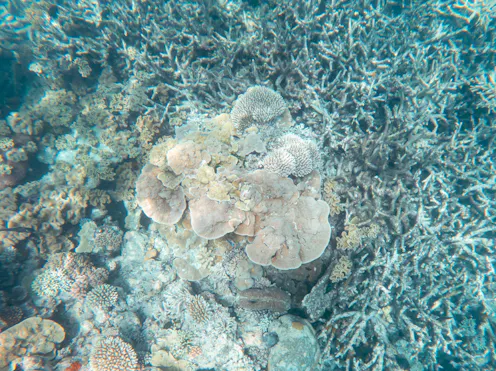
The health of five World Heritage sites in Australia has worsened, according to a sobering report from the International Union for Conservation of Nature.
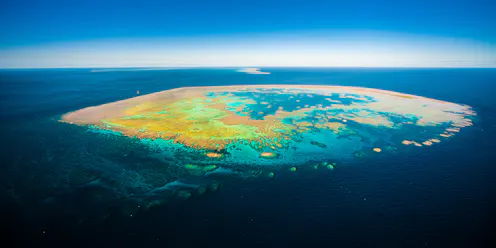
We all know that climate change is hurting the Great Barrier Reef. But scores of other less-publicised threats also threaten the future of the natural wonder.
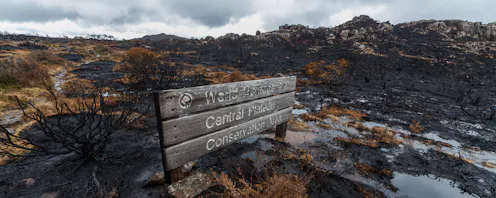
World Heritage globally is threatened by climate change, in all sorts of ways. A new tool identifies the key risks and best strategies for both natural and cultural wonders.
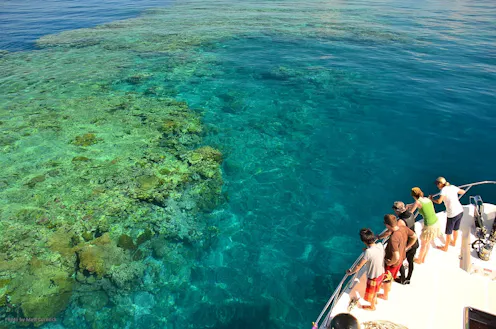
Severe coral bleaching may have been the crucial factor in bringing home the reality of climate change for many people.
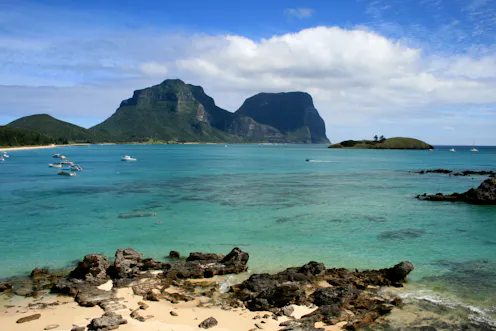
Marine heatwaves have caused coral bleaching in one of the most isolated ecosystems in the world.
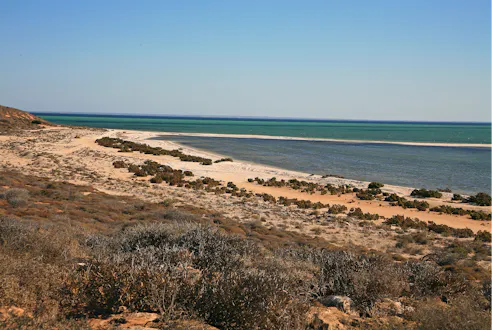
Everyone knows the Great Barrier Reef is in peril. But a continent away, Western Australia’s Shark Bay is also threatened by marine heatwaves that could alter this World Heritage ecosystem forever.
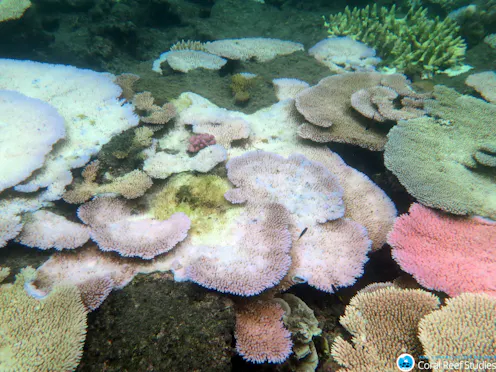
Regional variations in sea temperature can make all the difference between a coral reef suffering major bleaching or surviving as a refuge for corals, new research shows.

Months after record breaking coral bleaching, research teams are taking stock of the damage on the Great Barrier Reef.
Contact Scott for
- General
- Media request
- Speaking request
- Consulting / Advising
- Research collaboration
- Research supervision
- Location: Townsville, Australia
- Website
- X (formerly Twitter): @sfheron
- Article Feed
- ORCID
- Joined
