
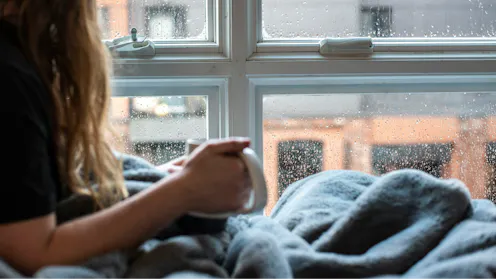
Australia has long romanticised home ownership. But with evidence linking mortgage stress to poor mental health, we can’t forget people once they get the keys.
- John Curtin Distinguished Professor, Curtin University
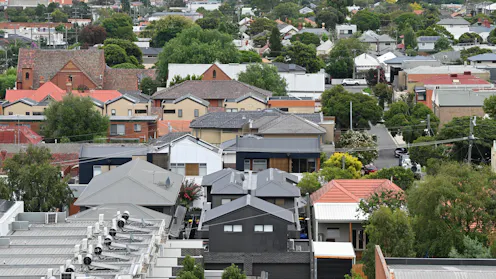
And what might it mean for renters – especially rental housing supply and prices – if the government does tackle negative gearing?
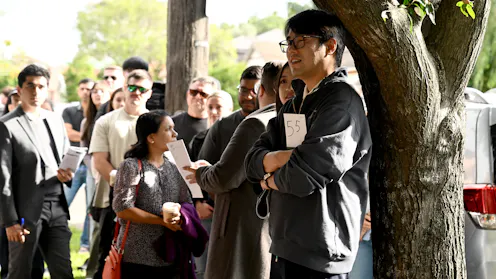
The government’s scheme will open to applications soon, promising to help thousands get onto the property ladder. How have similar schemes worked globally?
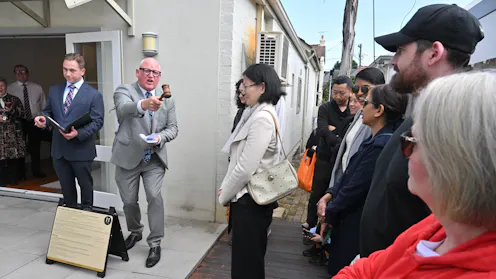
Half of parents in a recent survey said they’d helped out financially in some way – but some could afford much more than others.
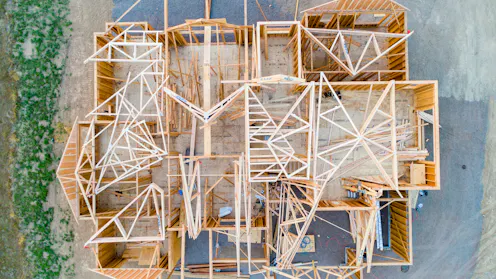
Housing not only provides much-needed homes, it can drive the economy in a range of ways. But do harness its potential, we need to do it differently.
A new study reveals landlord behaviour can affect housing supply. Its release comes as the housing crisis dominates the federal election agenda.
Housing announcements are everywhere right now, but few are based on evidence. Here’s what the politicians aren’t talking about, but should be.
Hint: cutting out avocado toast won’t help much. Research shows your chances of owning a home hinge on your income relative to house prices, and whether you can access the ‘bank of mum and dad’.
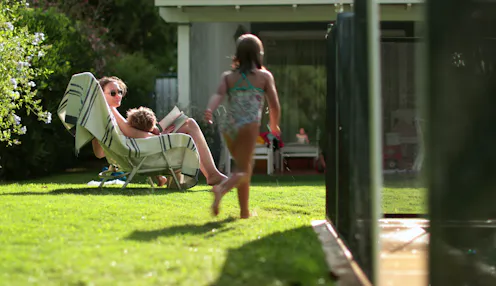
Despite owning a smaller share of their home, younger homeowners borrow often, and borrow more, than their parents.
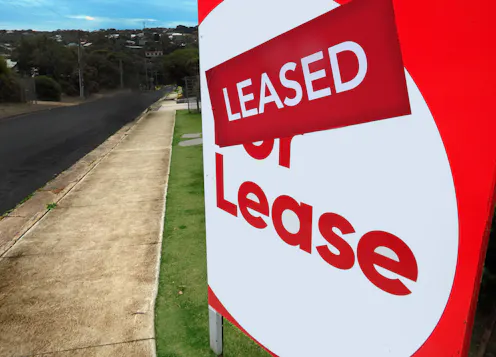
Australia’s rental crisis has been a long-standing problem and will not be repaired unless there is real reform of both supply and demand issues.

Most Australians want to age at home, where they can remain connected to their communities and neighbourhoods. But what happens if you’re renting?
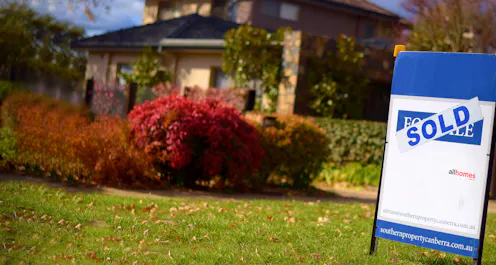
We found people who own their home outright were 1.5 times as likely to be highly satisfied with life as renters. But it can be a different story if you have a mortgage – especially if you’re 50-plus.
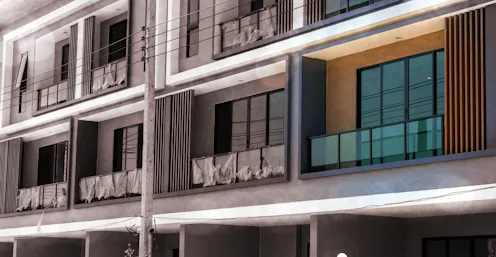
The gap in housing wealth between older and younger Australians has widened from 161% to 234% – making it almost half as big again.
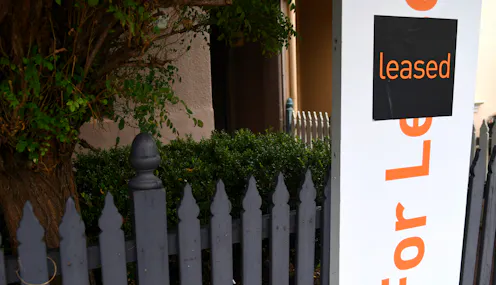
The share of homes owner-occupied has slipped only two percentage points since 1996, but the proportion owned outright has slid from 42% to 31%.
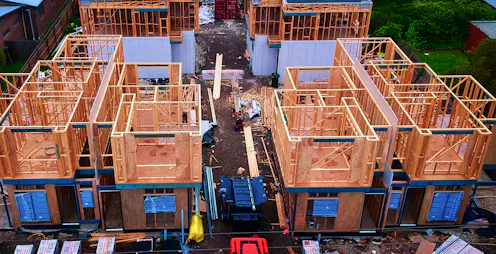
Labor’s scheme will get people into homeownership who would have otherwise missed out. The Coalition’s will get people already likely to buy into houses sooner.
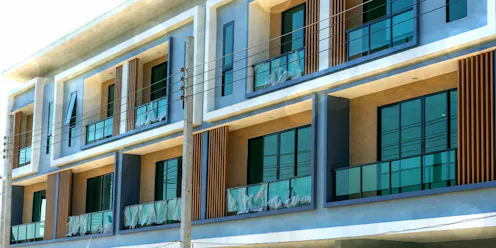
Some rent assistance is paid to households who don’t much need it. Others who do need it miss out.
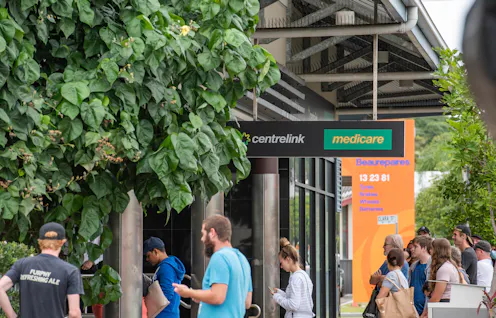
Australians faces an even more unequal future unless post-pandemic housing policy focuses on equity, solidarity and security. .

People over 65 who still have a mortgage or are renting are projected to double in number by 2031. The trend is likely to hit government budgets and leave more retirees in poverty.

Whether you owned a home or not used to be straightforward. The boundaries are becoming permeable.
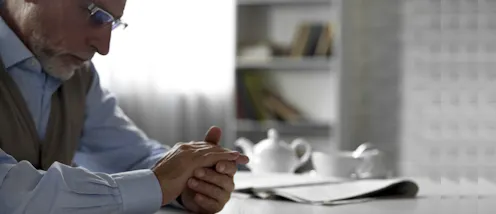
47% of Australians aged 55-64 have mortgage debt, up from 14% in 1990.

The real problem with the government’s first home owner deposit scheme is that it won’t prioritise those who need the funds the most.
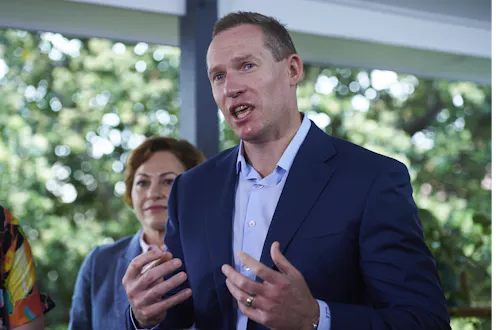
Queensland Minister for Housing and Public Works Mick de Brenni made the claim while announcing a $2 billion housing investment scheme. But is the claim correct?
Until now most people have eventually owned a home. But two trends – falling ownership and a growing aged population – will put the budgets of retirees and government under real pressure.
Property prices have soared in the past decade, but much more modest increases in rent, with the exception of Sydney, suggest less of an imbalance of supply and demand for housing as a place to live.
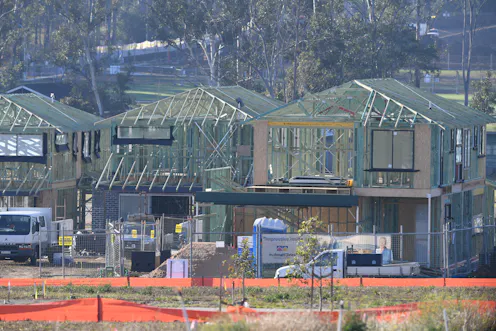
It’s said Australia’s housing affordability problem is the result of new housing stock not keeping pace with population growth. But there is actually enough housing, so why can’t the poor afford it?
Contact Rachel for
- Media request
- Speaking request
- Consulting / Advising
- Research collaboration
- Research supervision
