
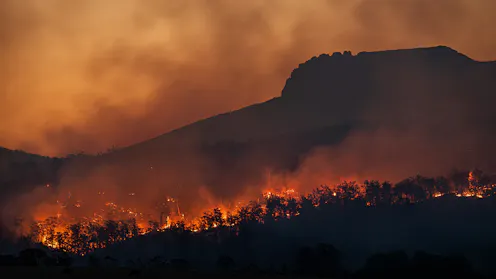
We know that heatwaves often trigger bushfires. But predicting when and where large fires will break out is getting more difficult with a warming climate.
- Associate Professor, Hawkesbury Institute for the Environment, Western Sydney University
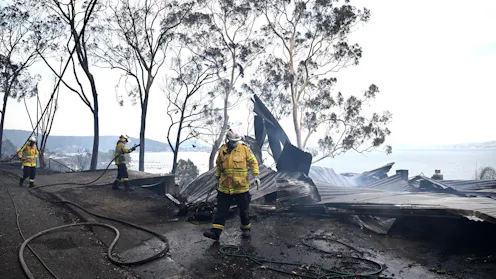
Dozens of fires burning across New South Wales and Tasmania over the weekend claimed dozens of houses and the life of a firefighter. This is why they were so bad.
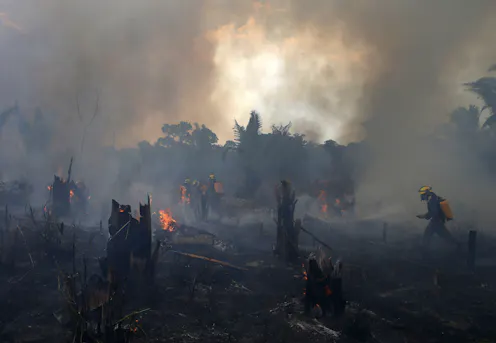
Climate change is raising the number of days the Earth passes crucial thresholds of fire risk. But urgently cutting emissions can avoid the worst.
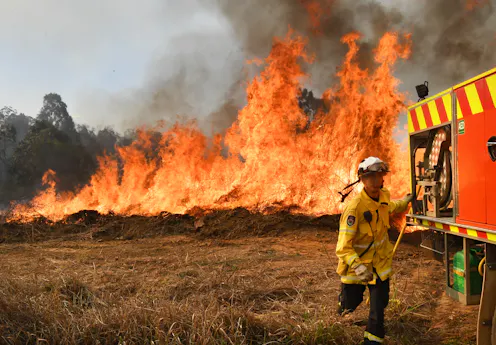
In this era of mega-fires, diverse strategies are urgently needed so we can safely live with fire.
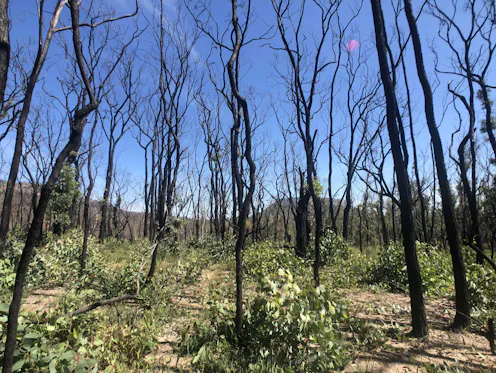
Muchas plantas son realmente buenas resistiendo los incendios forestales, pero la combinación de sequías, olas de calor y plagas de insectos acrecentadas por el cambio climático puede llevarlas al límite.

Many plants are really good at withstanding bushfires, but the combination of drought, heatwaves and pest insects under climate change may push them to the brink.
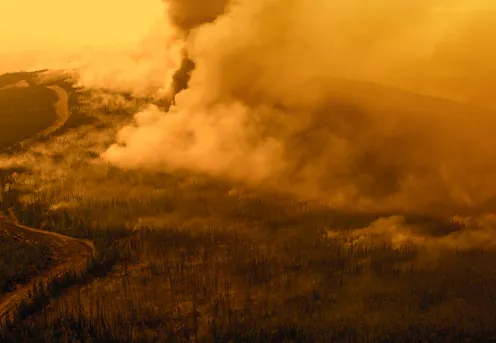
As bushfires become larger under climate change, the area exposed to intense and severe fires is likely to increase.

The drought has pushed many trees to the brink, and whole stands are now dying. The ecological consequences are huge.
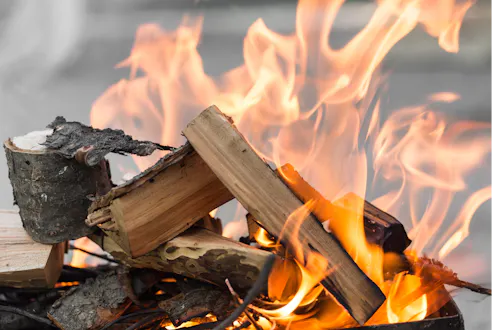
Water and sap inside the wood make mini explosions as they turn into gas and burst out. That’s why damp wood makes the noisiest fires.
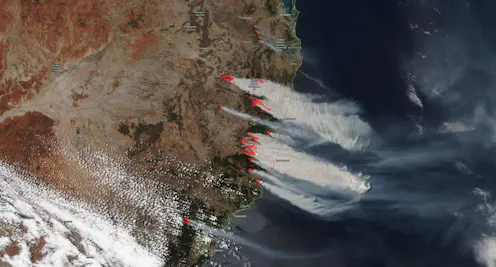
They escaped to the coast for the quiet life, but now sea-changers are in the path of monster fires.
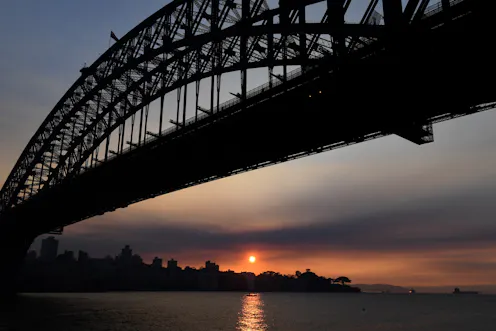
In 2013 a mild and dry winter led to some of the most destructive bushfires in NSW history. Now new modelling shows 2017 record-breaking winter warmth has created worryingly similar conditions.
Contact Rachael for
- General
- Media request
- Speaking request
- Consulting / Advising
- Research collaboration
- Research supervision
- Location: Sydney, Australia
- Website
- X (formerly Twitter): @Rachael_H_Nolan
- Article Feed
- ORCID
-
- Joined
