
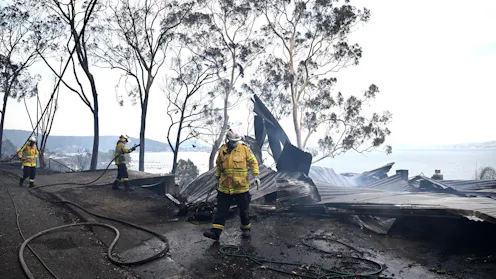
Dozens of fires burning across New South Wales and Tasmania over the weekend claimed dozens of houses and the life of a firefighter. This is why they were so bad.
- Professor and ARC Future Fellow, Hawkesbury Institute for the Environment, Western Sydney University
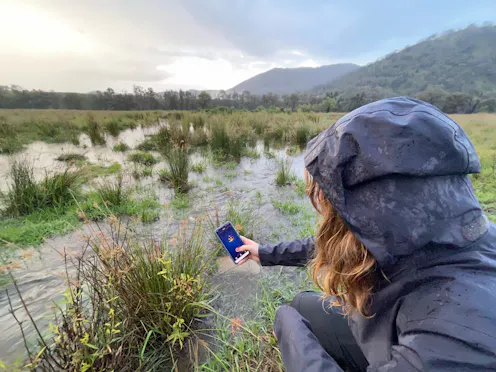
New research examines how citizen science data contributes to decisions by governments and conservation organisations about which species are at risk of extinction, and how they can be conserved.
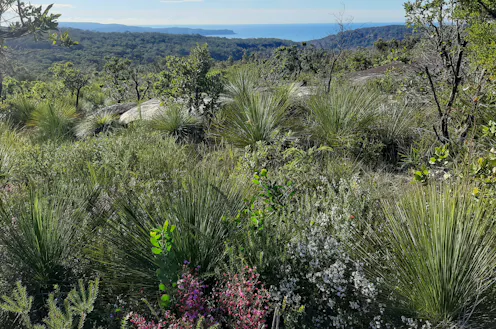
The need to restore native vegetation is clear, but we can’t properly repair nature without good, diverse supplies of native seeds.
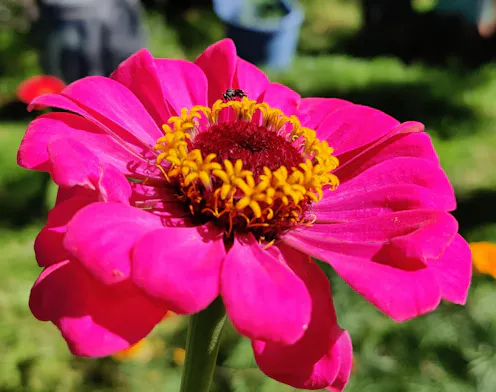
New research suggests insects have pollinated flowers since the pollen-bearing blooms first evolved more than 140 million years ago.
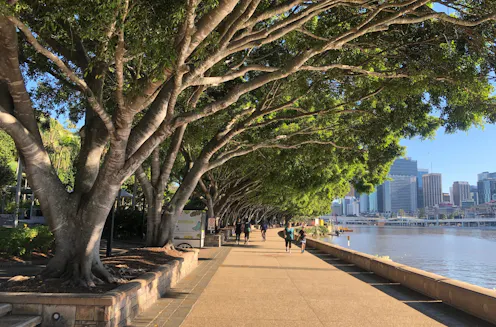
Urban plantings are part of the solution to living in warmer cities, but most tree and shrub species in the world’s cities will struggle too. The impacts on liveability could be huge.
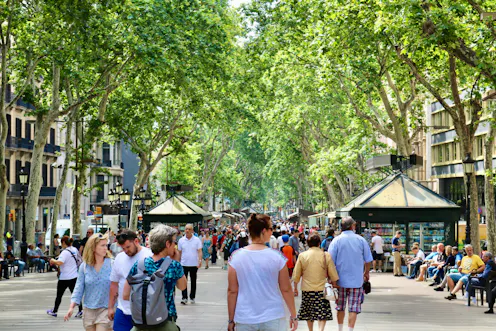
Las plantaciones urbanas son parte de la solución para mitigar el calor, pero la mayoría de las especies de árboles y arbustos de las ciudades del mundo tendrán problemas para adaptarse a condiciones extremas.
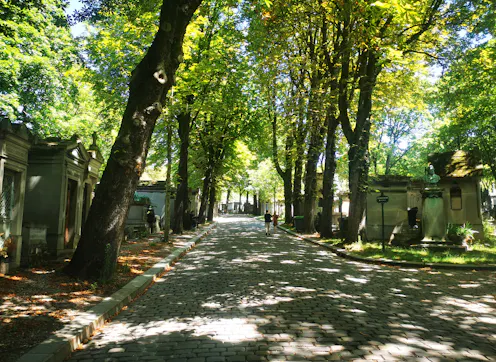
Si les arbres jouent un rôle de bouclier thermique en ville, ils sont aussi les premiers menacés par les conséquences des changements climatiques, souligne une nouvelle étude conduite dans 78 pays.
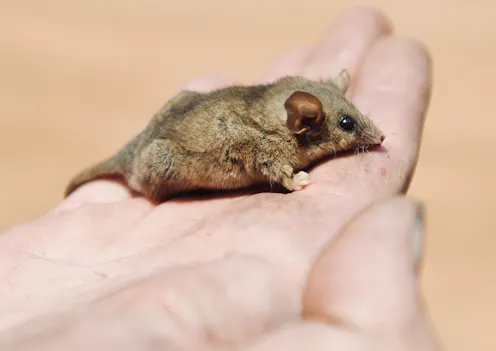
How fast can an animal run? How intense was the fire? Picking which species to help after a bushfire tragedy is no easy task.
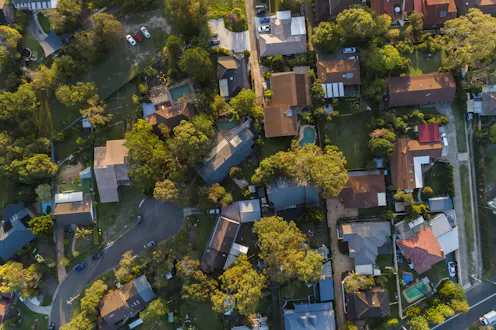
Thirty tree species make up more than half of Australia’s urban forests. Some won’t survive climate change, so cities must plant a more diverse mix of the right species to preserve their tree cover.
Contact Rachael for
- General
- Media request
- Speaking request
- Consulting / Advising
- Research collaboration
- Research supervision
- Location: Sydney
- Website
- Article Feed
- ORCID
- Joined
