
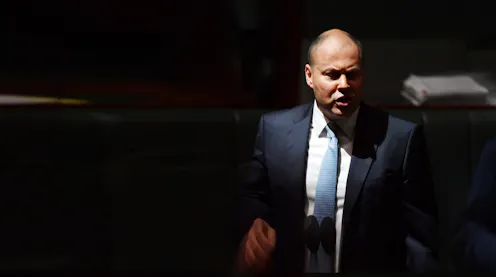
Now that we are recovering from recession, there’s no telling how low we could push the unemployment rate. One estimate is 3.5%.
- Visiting Fellow, Crawford School of Public Policy, Australian National University

It enjoys huge network effects that lock users in. Google does not.
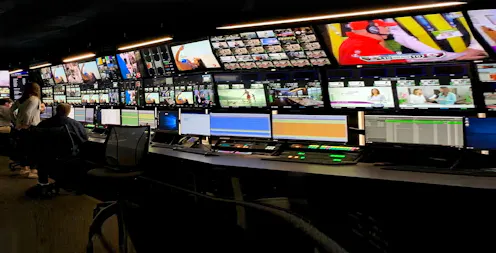
They’re hogging 84 megahertz of spectrum they don’t need.
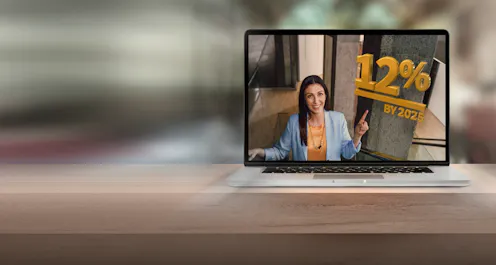
The increase will come at the expense of wages, and in the view of two inquiries - a decade apart - is something we don’t need.
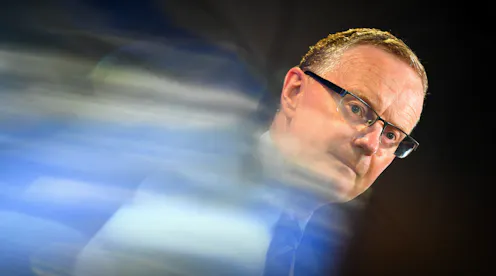
Governor Lowe believes the unemployment rate will need to fall well below 5% before inflation climbs to the point where he needs to jack up rates.
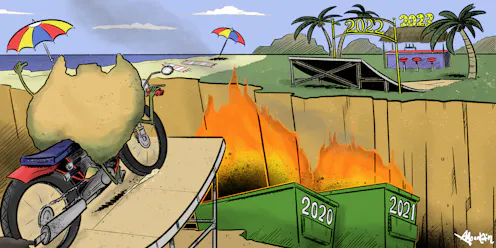
The Conversation’s panel expects a rate hike by the end of 2022.

From money creation to COVID to uncertainty to the end of rapid economic growth, Peter Martin’s summer reading list is unsettling and uplifting.

All sorts of transactions are “two-way value exchanges” in which it isn’t clear in which direction the money should flow. The proposed media bargaining code is one of them.
The good projects have already been identified and interest rates are low. We could speed up the electricity transition by decades.
The economic recovery is looking more and more V-shaped, the budget recovery will be much slower.
Our economy remains far weaker than it was a year ago and far weaker than it would have been had spending not collapsed.
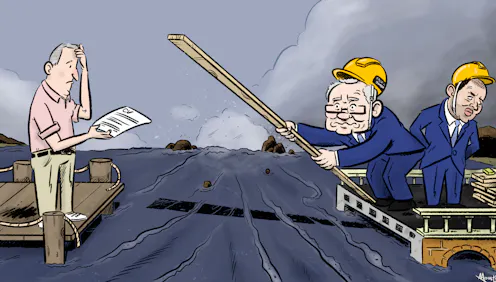
Two-thirds of those surveyed want it linked to wages.
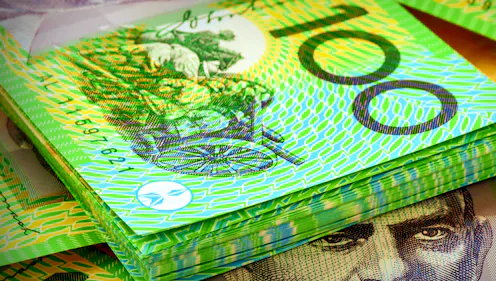
Most Australians get enough to live on in retirement. Some get more they get while working, but 30% get less, and boosting super won’t help them.
The most important change is a guarantee about the future, one the RBA can be held to.
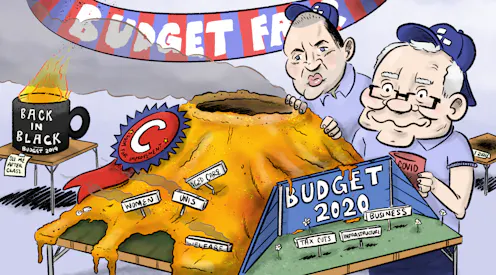
Asked to grade the budget A to F, none give it an E or an F, but only two give it an A. Most think it passed or barely passed, and there’s a lot they would like improved.
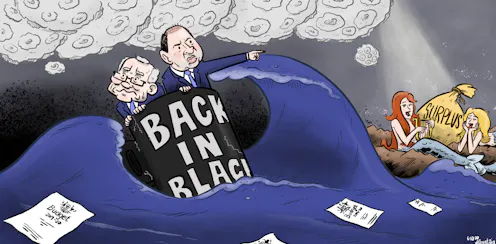
Assuming jobs will grow as JobKeeper is wound back is a leap of faith.
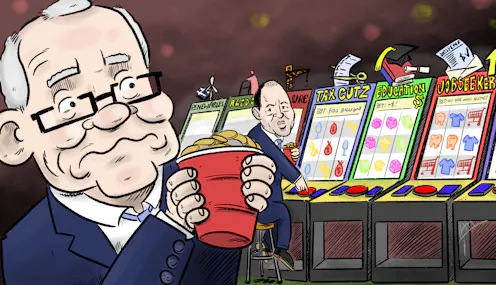
More than half back a permanent boost to JobSeeker. Only one in five want to bring forward tax cuts.
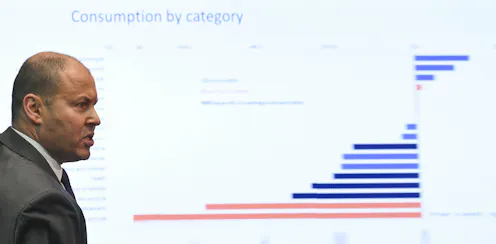
It’s the worst since the Great Depression and it isn’t clear there’s a path out.
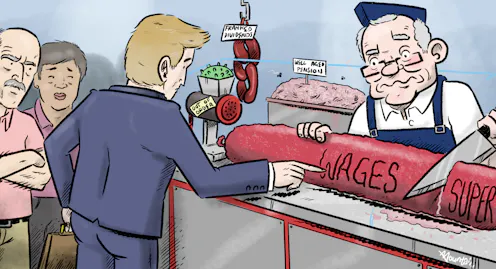
Only 13 of the 44 economists surveyed want them to proceed as planned.

Its central scenario is the worst recession in 70 years. Its worst case scenario has the effects lingering for a decade.
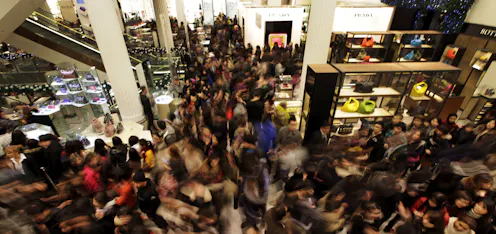
To understand what bonds are, it helps to see a picture.
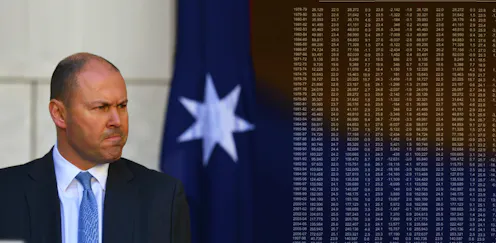
The forecasts in the governments economic statement are “best case”. They assume no further outbreaks of coronavirus.
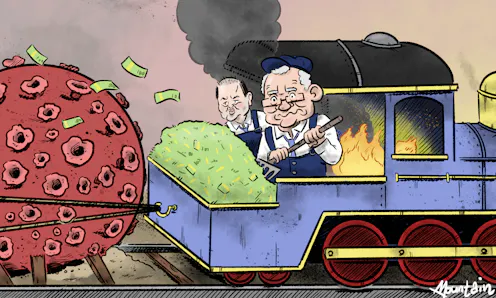
44 of the 50 leading economists surveyed by Economic Society and The Conversation back running up more debt to support the economy. Only three do not.
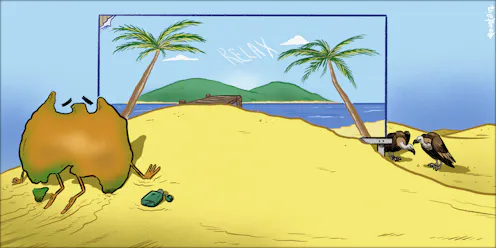
Rather than being “one percentage point above trend” as the prime minister has promised, the economic recovery promises below trend growth and weak living standards in the view of The Conversation’s forecasting panel.
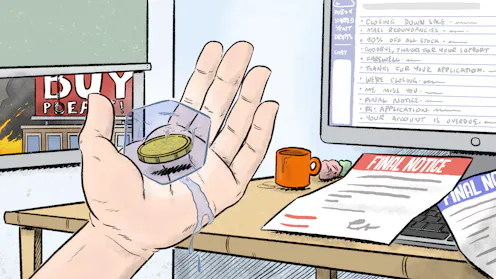
A freeze in the minimum wage would make it easier for stressed employers to hang onto their workers says a bare majority of experts surveyed by the Economic Society and The Conversation.
Contact Peter for
- General
- Media request
- Speaking request
- Consulting / Advising
- Research collaboration
- Research supervision
- Location: Canberra, Australia
- Website
- X (formerly Twitter): @1petermartin
- Article Feed
- Joined

