
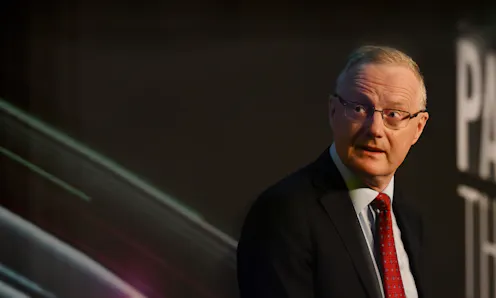
The Reserve Bank has signalled it will keep pushing up rates until it has reigned in inflation – even if this means weaker economic growth, with income per person barely growing for years to come.
- Visiting Fellow, Crawford School of Public Policy, Australian National University
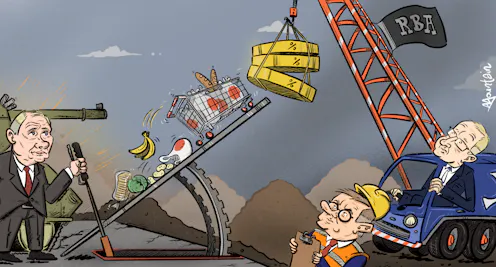
The Conversation’s 29-member panel expects very weak economic growth and recessions in much of the rest of the world, but there’s good news down the track for Australians’ buying power.

Price inflation has hit countries differently, but most central banks and governments are concerned about the rising cost of living in 2023.

Although the sites seem to offer the best deals, that might be because hotels feel pressured not to undercut them. This is something the treasury is investigating.
The full effects of the eight consecutive increases in the Reserve Bank’s cash rate are yet to become apparent, and there are signs inflation is on the way down.

For more than a decade, employers have strung out negotiations or let agreements expire. Known as “zombie agreements”, those deals mean too many Australians are living with wages frozen in the past.
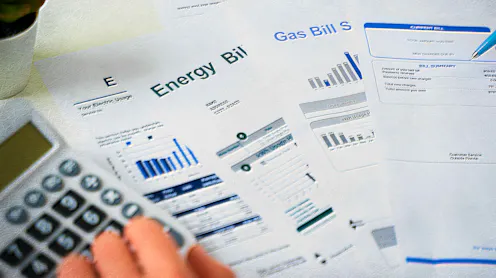
Thanks one of the treasurer’s most trusted confidants, we can now piece together what the government’s likely to do next about rising energy bills. Here’s what I expect to see over the next month.
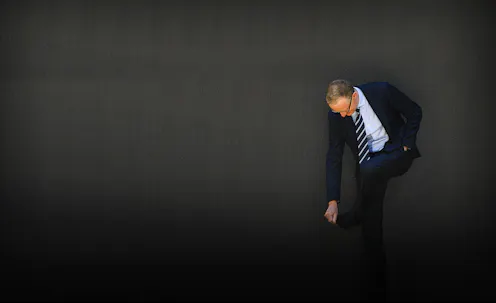
Lowe and the Reserve Bank are pushing up interest rates at almost the fastest pace on record to get the economy back in balance. It’s tough. But it has been done before – and here’s how it worked.
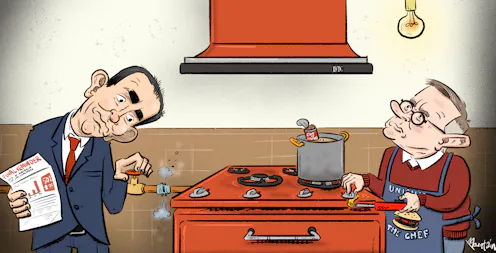
Two-thirds of those surveyed back capped gas prices, an extra tax on gas exporters that would subsidise prices, or rules requiring Australian gas to be reserved for Australian use.

For homebuyers, there’s no interest rate relief in sight just yet. Here’s why.
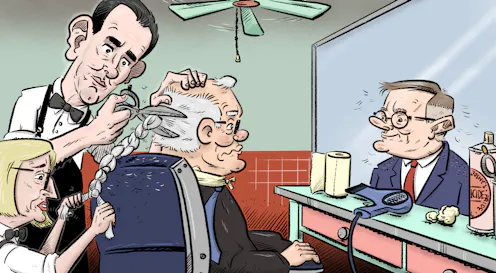
Frightened by the prospect of an inflation rate approaching 8%, Chalmers has pumped very little into the economy, funding most of their extra spending by cutting Coalition programs.
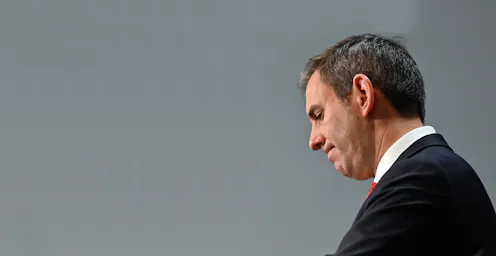
Chalmers was careful during the campaign to reject the idea of a tax-to-GDP cap. He is going to have to raise much more tax, and start a conversation about how – beginning with next week’s budget.
At the right moment, Australia’s Reserve Bank would be wise to stop taking its lead from the US – holding interest rates here steady, even if they’re still rising overseas.
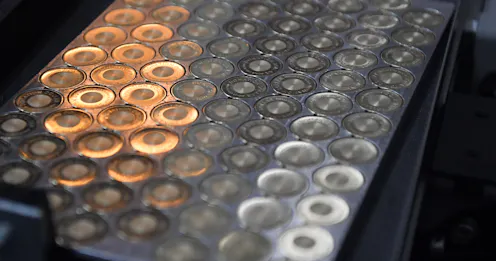
It costs just 20 cents to make a $2 coin, and 32 cents to make a $100 note, but eventually the money making is going to stop.

From the 1870s on, continual improvements in living standards became a birthright – not for everyone, but for humanity as a whole. King Charles III inherits a different future.
On September 20, the single rate of JobSeeker will climb $25.70, to $668.40 a fortnight – its biggest-ever automatic jump. Yet that’s only $17,378 a year: not even two-thirds of the poverty line.

How do you measure the productivity of a hairdresser, or a teacher, or an aged care worker? It’s harder than you might think.
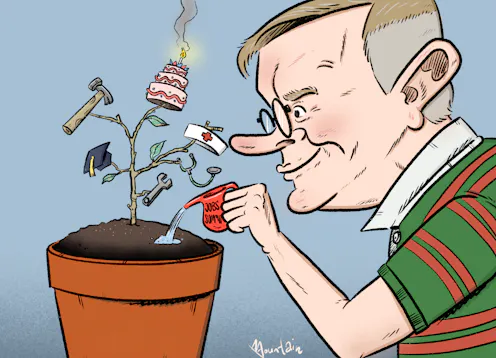
Among the top economists surveyed was the man who designed Australia’s higher education loans scheme – who described funding for vocational education as a “mess”.
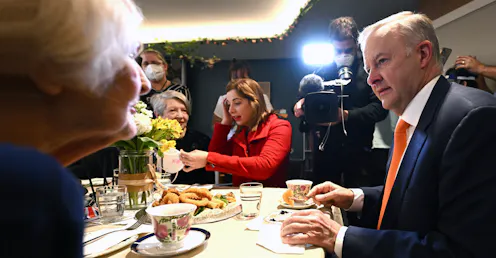
Governments budget in billions. Yet analysis prepared for The Conversation shows they’ve been extraordinarily stingy with pay rises – particularly when it comes to teachers and nurses.
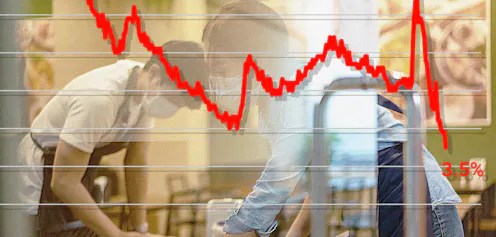
What’s driving this new ultra-low unemployment? Digging into economic data reveals something we haven’t seen before – which has already changed the lives of almost 100,000 Australians.
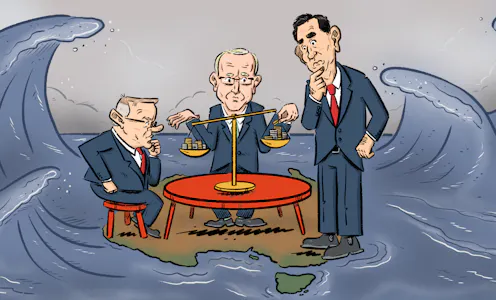
Asked how high an inflation rate Australia should prepare to tolerate, three of the 48 economists nominated 8% or higher. Seven expected inflation to fall without the need for further action.
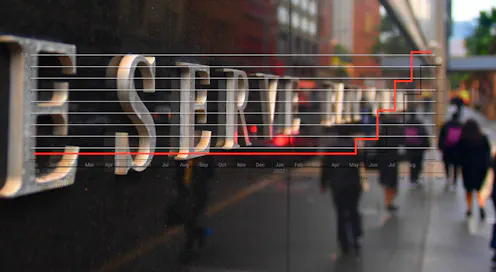
Never, in the three decades the Reserve Bank has been targeting inflation, has it been tested by prices rising in unison like this.

The requirement that super funds act in the best financial interests of their members is up for review, as is the nature of the performance test that weeds out poorly-performing funds.
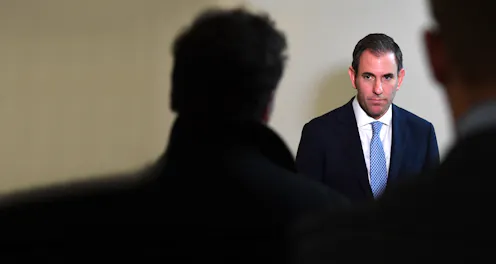
From October, Australia will start routinely quantifying the benefits as well as costs of federal spending. It’s already shaping up as the new treasurer’s most important legacy.
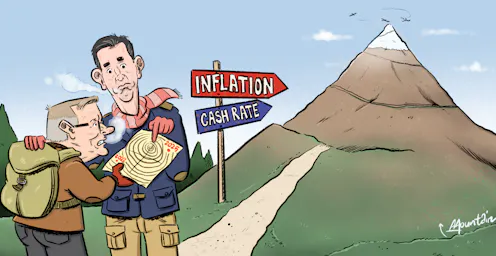
The panel believes Australia will avoid a recession the year ahead, but is much less certain about the United States. It expects real wages to go backwards and economic growth to sink.
Contact Peter for
- General
- Media request
- Speaking request
- Consulting / Advising
- Research collaboration
- Research supervision
- Location: Canberra, Australia
- Website
- X (formerly Twitter): @1petermartin
- Article Feed
- Joined

