
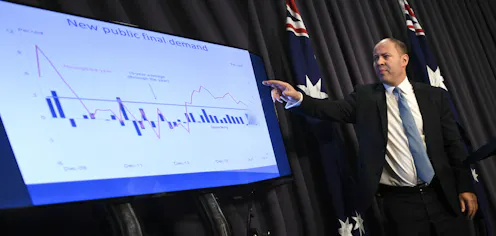
Incomes climbed as we snapped our wallets shut in the March quarter. The June quarter will be much, much worse.
- Visiting Fellow, Crawford School of Public Policy, Australian National University
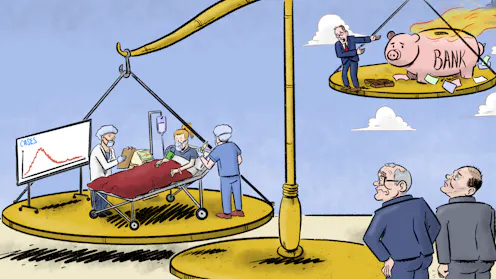
The economists who support the use of social distancing measures to slow the spread of COVID-19 are not only in the majority, they are also more certain of their opinions than those who do not.
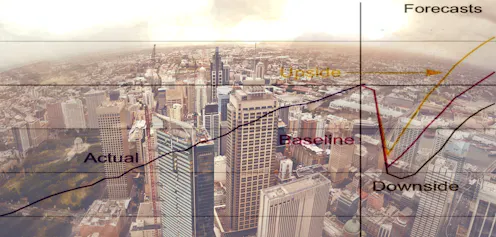
The global financial crisis taught us recoveries needn’t be V-shaped.
d
Wherever it can, the government is using automatic means to get money out of the door. It can keep doing it for as long as needed.
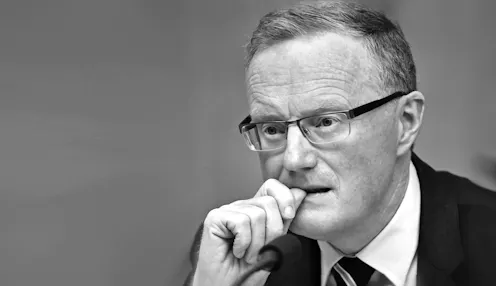
Reserve Bank Governor Philip Lowe has laid out a road map for measures to drive a range of other interest rates down, now that its cash rate has hit effective zero.
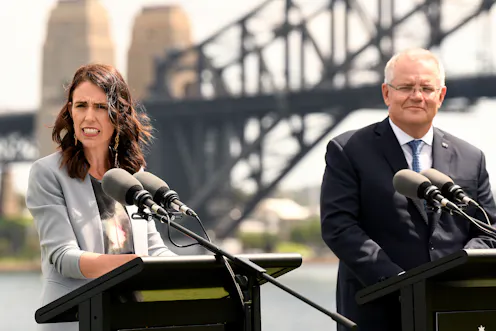
New Zealand will spend NZ$12.1 billion – or 4% of its GDP – to support businesses, increase benefits for seniors and low-income families, pay people in self-isolation, and boost health care capacity.
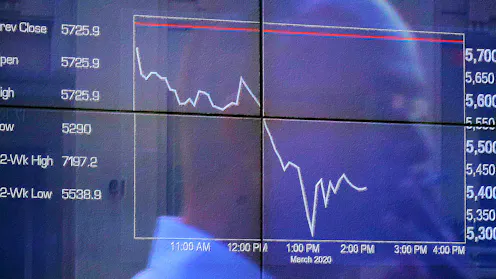
The Reserve Bank has scheduled an announcement for Thursday. The government will unveil a second coronavirus stimulus package within days.
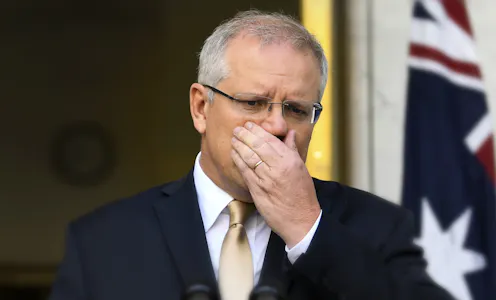
Cash payments are much more likely to be spent than bonus tax refunds.
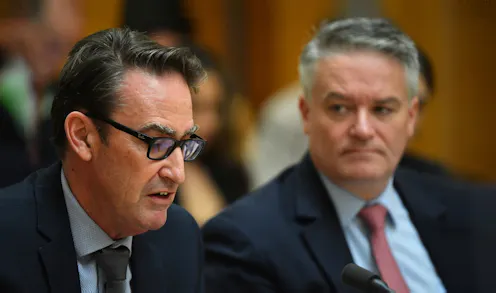
Australia’s three-decade run of near continuous economic growth is set to end, with treasury warning of a hit to growth of ‘at least’ 0.5%, potentially followed by a ‘prolonged downturn’.
Treasury will update the nation on the likely impact of the coronavirus on Thursday.
Never has a virus featured so prominently in a Reserve Bank statement.
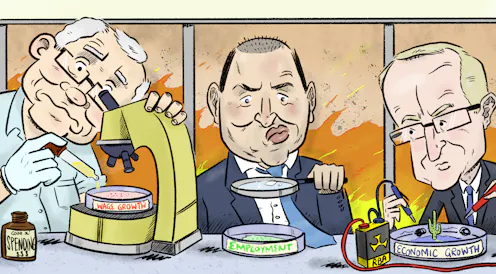
The Conversation’s 2020 economic survey points to a dismal year, with no progress on many of the key measures that matter for Australians and an increase in the unemployment rate.

Australia has an outsized ability to influence others.
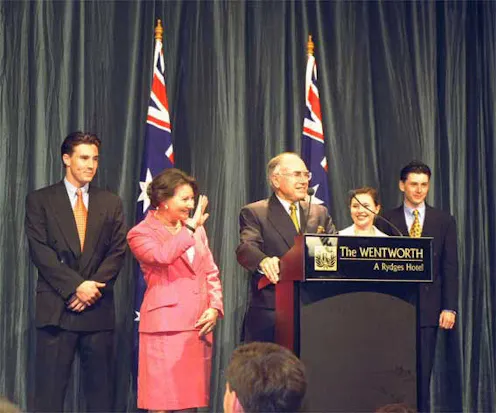
The introduction of the GST got off to a wobbly start, but has since become accepted as the Australian way of paying for things.
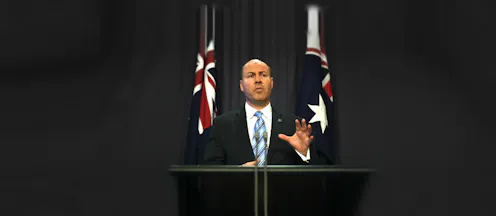
Spending growth has fallen to financial crisis lows. Per person, economic growth and spending has gone backwards. Josh Frydenberg isn’t ruling out action in the pre-Christmas budget update.
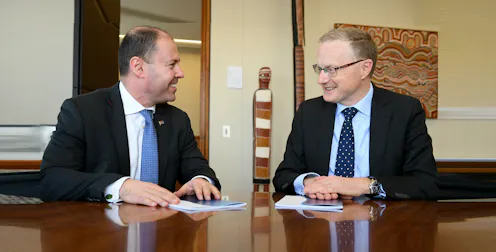
Every one of the 13 economists surveyed by The Conversation thinks more stimulus is needed. None think it should all come from the Reserve Bank. Most think the budget surplus can wait.
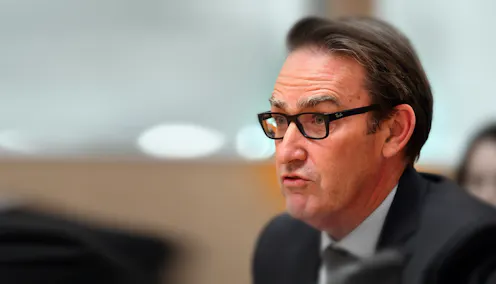
Treasury Secretary Steven Kennedy says its up to the Reserve Bank to boost the economy. In normal times, that’s not his job.
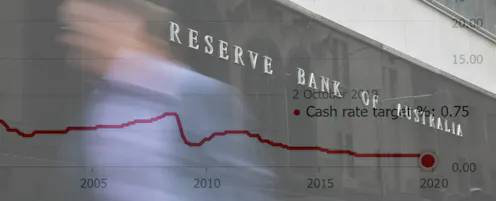
If needed, Governor Lowe will cut rates to near zero, and then effectivly cut them further.
One of the questions is how much we need in retirement. Another is whether we need 12% compulsory super to get there.

Middle earners are set to pay 18.8% of their income in tax instead of 14.9% under the projections that show 10 years of surplus budgets.

Newstart increases are projected to get smaller and smaller relative to pension increases. By the end of the century Newstart will be just two fifths of the pension.
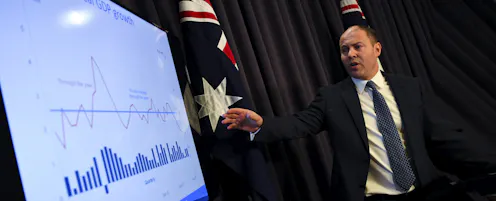
Households are buying no more than they were a year ago, and the wage share of national income is the lowest since 1964.
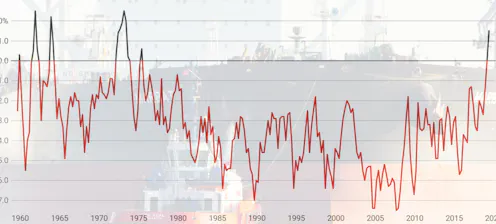
Australia is becoming more like the United States. Increasingly, we invest overseas. Our domestic economy is weak.
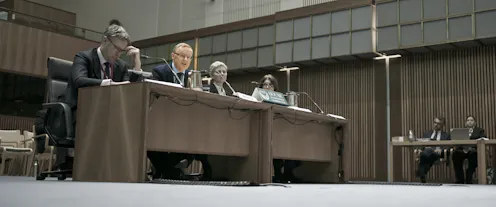
The Reserve Bank’s best case scenario is that its forecasts are wrong.
Contact Peter for
- General
- Media request
- Speaking request
- Consulting / Advising
- Research collaboration
- Research supervision
- Location: Canberra, Australia
- Website
- X (formerly Twitter): @1petermartin
- Article Feed
- Joined

