

Far from being “rampant” inflation was tame in the first two months of this year. We know this because of big changes in the way the bureau prepares its data.
- Visiting Fellow, Crawford School of Public Policy, Australian National University
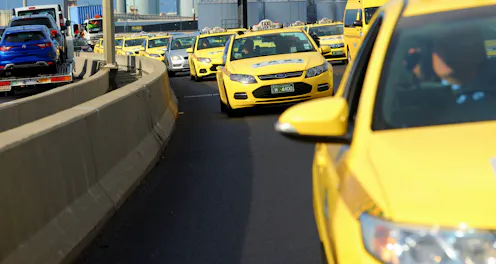
The just-settled lawsuit accused Uber of knowing that its drivers were breaking the law, paying their fines and “greyballing” investigators.

Put to the test in 1970, Australia’s radio industry abandoned the record labels that wanted them to pay more. The labels backed down.

Prime Minister Anthony Albanese wants Australia to go “toe to toe” with the US in supporting green energy. Leading economists surveyed by the Economic Society are unimpressed.
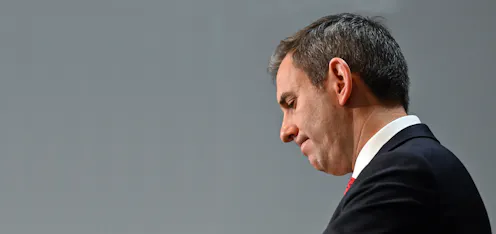
The best measure of living standards – real household disposable income per capita – has been going backwards for two years. It’s the biggest dive in living standards in half a century.
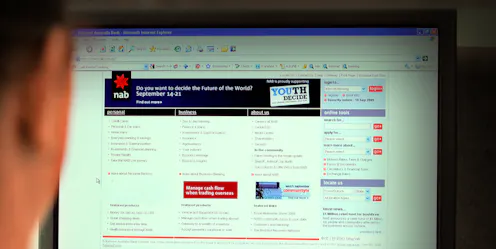
We really are being charged more than we used to be. If the government is concerned about price gouging, it could try this bold idea: offering its own low-cost bank loans.
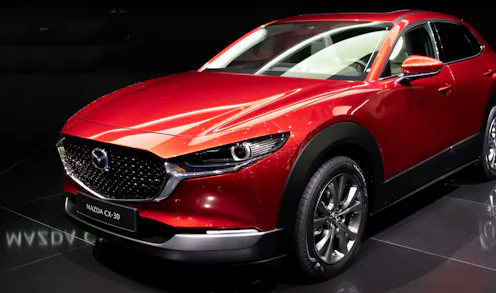
Australian passenger cars on average use 20% more fuel than passenger in the US – which has had efficiency standards in place since 1975.
An astounding one in nine taxpayers negatively gear, costing Australia more than $2.7 billion a year. Here’s how we could get better value for that money – and supercharge investment in new housing.
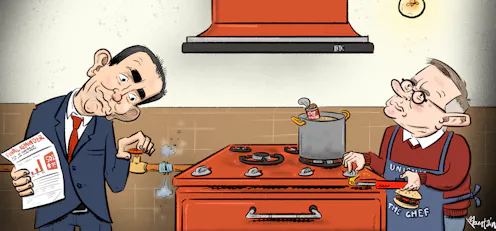
The Conversation’s expert panel expects inflation to continue to fall, but more gradually, and it expects the RBA to be slow in responding. Unemployment should climb and economic growth weaken.
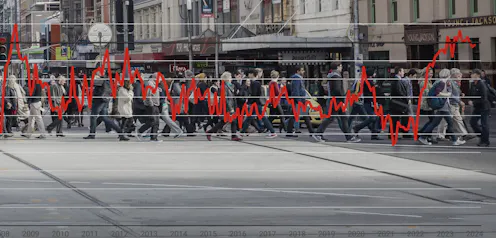
The official figures tell us inflation is 5.4%. But for working families, it’s actually 9%. Yet there is some good news ahead.
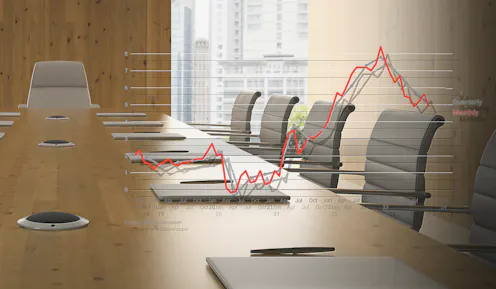
Per person, we’re spending less this year – even on this year’s much hyped Black Friday sales. If that continues over summer and inflation stays low, a rate hike in February 2024 looks unlikely.
Sure, a good many of us don’t trust politicians – but surely politicians ought to trust politicians. History shows why they might one day need to overturn a Reserve Bank decision.
Australian financial markets are now pointing to a close to zero chance of further rate rises – with a fair chance of a rate cut next year. That’s thanks to the latest news from the US and UK.
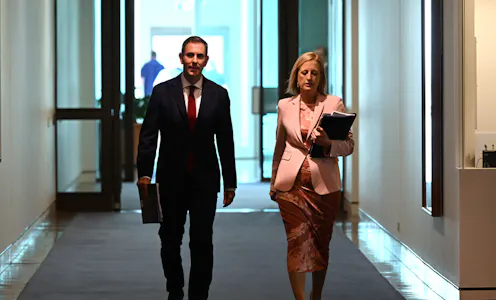
Life hasn’t been this unaffordable in Australia in 40 years. There’s still time to redesign tax cuts starting next July – which would give $9,000 to high earners but just $1,000 to ordinary earners.
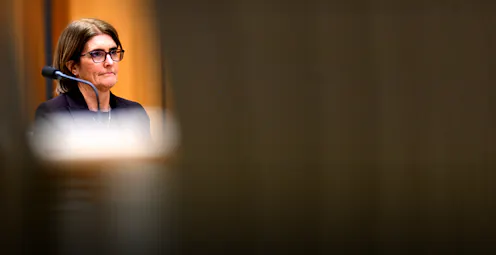
It’ll now be a frugal Christmas in many Australian homes. But there is a glimmer of good news: if we do tighten our belts, rates could start to come down by as early as the middle of next year.
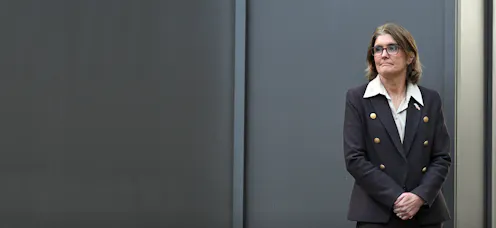
The governor’s remarks about the board “not hesitating” to raise rates further aren’t as clear cut as they seem.

30 of the 50 economists surveyed want a carbon price of the kind introduced by Julia Gillard in 2012 and abolished by Tony Abbott in 2014. Several say there’s little “time left to act seriously”.

Australian age pensioners who earn more than $227 a week from paid work lose two-thirds of it in tax and pension cuts. If we adopted NZ’s approach, we could have an extra 500,000 willing workers.
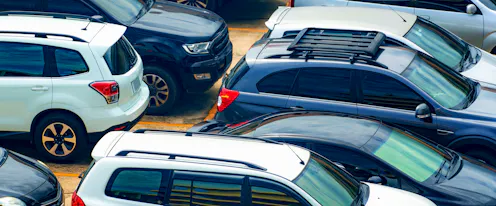
SUVs now outsell standard cars three to one, as you can see on these graphs. Australian car park spots may soon have to be made 20cm longer, just to fit them all in.
Petrol prices have pushed inflation up. At its next meeting, the Reserve Bank board is going to have to decide if that warrants an increase in interest rates.

30 years ago, Labor Prime Minister Paul Keating adopted an ambitious official target for Australian unemployment. The Albanese government just passed up a historic opportunity to go even further.
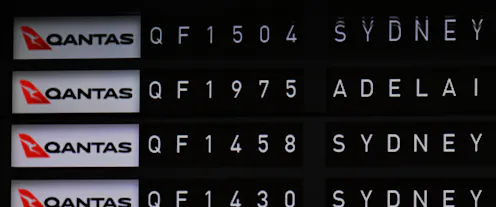
Price discrimination is charging customers who don’t mind paying more than those who do – and businesses do it all the time. But Qantas seems to have taken it to a new level.
Former Reserve Bank and Treasury chiefs have gone on to run Westpac, the National Australia Bank, the ANZ, and Macquarie Bank. It makes regulating those banks hard.
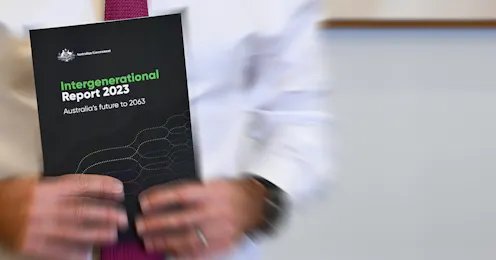
Far from finding an ‘ageing time bomb’, the report paints a picture of a society in which the ratio of working Australians to dependents is little changed, with climate change the only big concern.
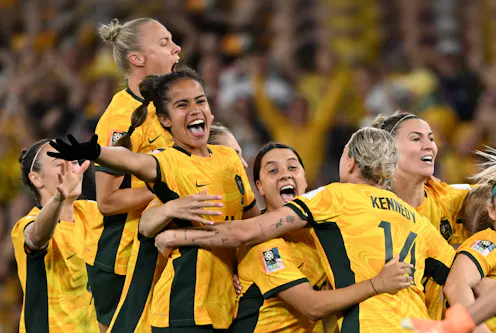
Some have estimated a holiday for a Matildas win would cost Australia’s economy $2 billion. But new international research suggests the true cost could be much lower – and here’s why.
Contact Peter for
- General
- Media request
- Speaking request
- Consulting / Advising
- Research collaboration
- Research supervision
- Location: Canberra, Australia
- Website
- X (formerly Twitter): @1petermartin
- Article Feed
- Joined

