

It’s more than likely we’ll face another pandemic in the future. So what can we learn from COVID?
- Laureate Professor Emeritus, The Peter Doherty Institute for Infection and Immunity
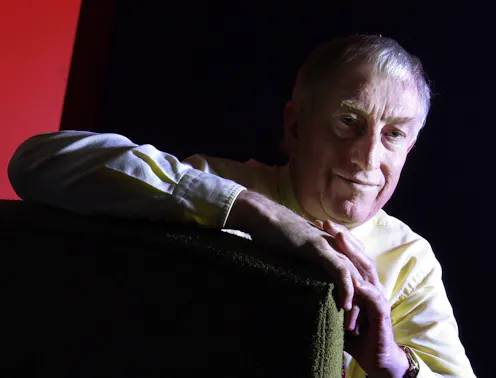
Michelle Grattan interviews immunologist and Nobel Laureate Peter Doherty about controlling the coronavirus pandemic, and the prospects of developing a vaccine.
Nobel Prizewinning health researcher Peter Doherty reflects on the challenge of delivering a healthy climate for the world. From hydrogen power to wooden skyscrapers, the options are endless, but all require leadership.
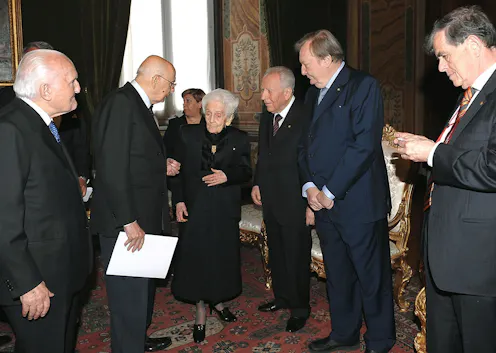
Born in Italy in 1909, Levi-Montalcini avoided being transported to Auschwitz as a young woman and rose to prominence as a neurobiologist. She was a co-recipient of the 1986 Nobel Prize for Medicine.
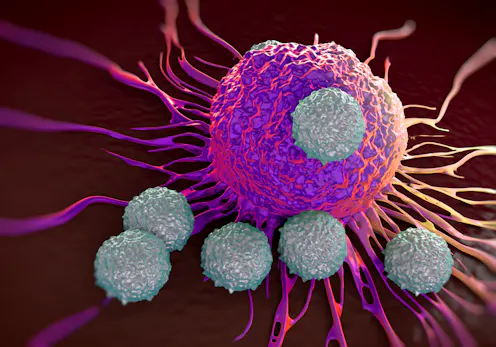
Nobel laureate Peter Doherty explains immunity.
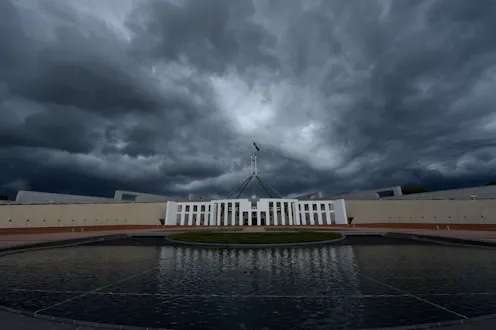
Scientific problems require evidence-led solutions. A new proposal to create a federal environmental decision-making body would take some of the politics out of climate policy.
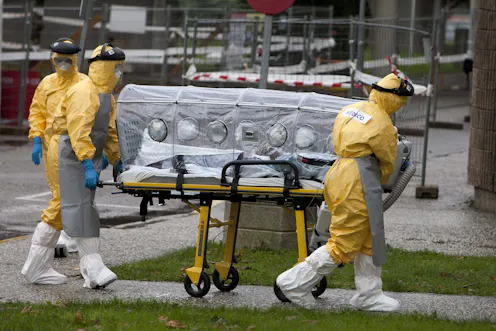
Professor Peter Doherty on infectious disease pandemics
The Conversation, CC BY-ND47.6 MB (download)
William Isdale speaks with the University of Melbourne's Professor Peter Doherty about infectious disease pandemics.

In its broadest sense, the March for Science aims to cause US legislators to reflect a little and understand what they risk if they choose to erode their global scientific leadership.
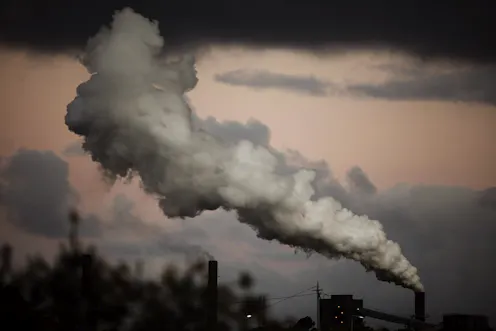
As the new Australian parliament takes the reins, health groups are moving to ensure the new health minister addresses a major health threat in this term of government: climate change.
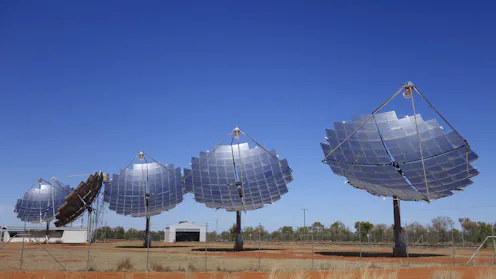
There are several areas where Australia could be a world leader in innovation. If we can identify them and focus our efforts there, we could generate some genuine benefits here and abroad.

Diverse threads of the vast interrogation of nature we call science are coming together in a rich and mutually informative intellectual tapestry.
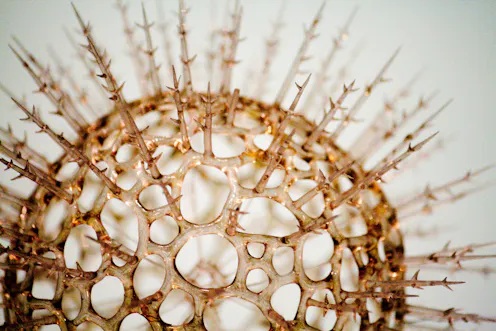
Humans have a deep history of viral infections, the evidence for which dates back to ancient DNA from Egyptian mummies.

Peer review is not infallible, but it’s central to how science works. In this extract from Peter Doherty’s new book, The Knowledge Wars, he explains how it works in practice.
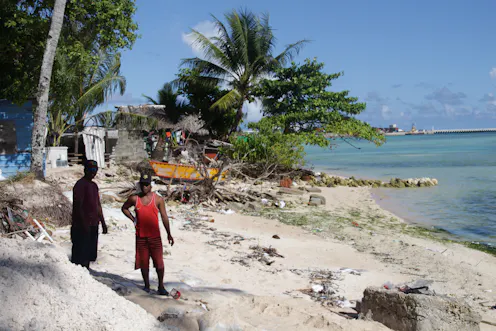
Australia need to take responsibility for the consequences of its fossil fuel consumption and exports.
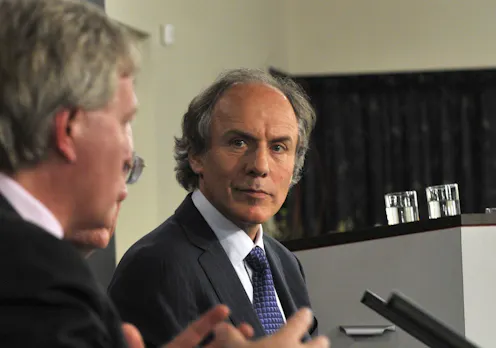
The scientific community reacts to the news that Dr Alan Finkel has been appointed Australia’s New Chief Scientist as of 2016.
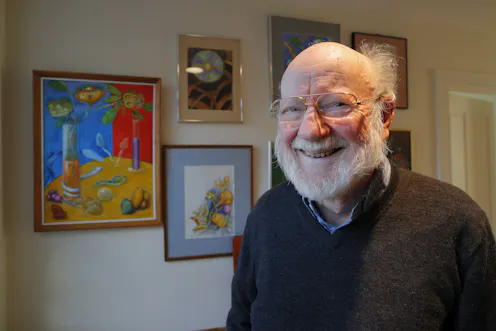
Back in 2012, I had the great pleasure of meeting with William (Bill) Campbell at Trinity College. We were among a group of five receiving honorary doctorates from the University of Dublin.

At events such as the Melbourne Writers Festival, it’s hard to avoid noticing that science, and scientists, are receiving special billing. The reading list of this Nobel Laureate is instructive.
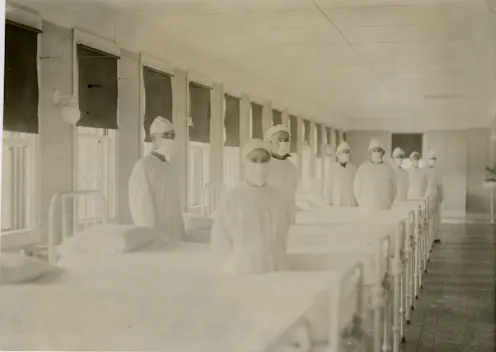
Rupert Brooke was commissioned in the Royal Navy Volunteer Reserve as a Sub-Lieutenant. Without seeing combat, he died aboard a French hospital ship, from a mosquito bite that turned septic.

Nobel Laureates met recently in Hong Kong to sign a memorandum calling for cities to help guard against climate change. As the most creative places on the planet, big cities are the perfect place to meet this challenge.

Peter Doherty delivered the following speech at a graduation ceremony at Charles Sturt University this week. The first thing to say to new graduates is: congratulations! Special congratulations to the…
Australian innovation has stagnated in the past 50 years, and could be reinvigorated by focusing on key areas, according to Donald Hector, President of the Royal Society of New South Wales in an interview…
Peter Doherty: Thinking in terms of Australia’s future, how important is it for us to expand activity in the innovation/high technology sector? Donald Hector: It’s critically important. If you look at…

AUSTRALIA 2025: How will science address the challenges of the future? In collaboration with Australia’s chief scientist Ian Chubb, we’re asking how each science discipline will contribute to Australia…
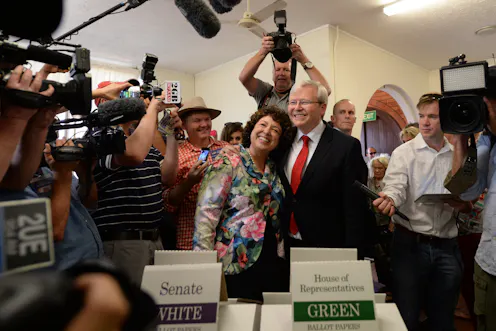
Election 2013 Essays: As the federal election campaign draws to a close, The Conversation asked eminent thinkers to reflect on the state of the nation and the challenges Australia – and whichever party…

Want to win a Nobel prize? You might increase your chances by eating more chocolate, according to a letter in Nature last Thursday. The research, which outlines a survey of chocolate consumption of 23…
Contact Peter for
- General
- Media request
- Speaking request
- Consulting / Advising
- Research collaboration
- Research supervision
- Article Feed
- Joined
