
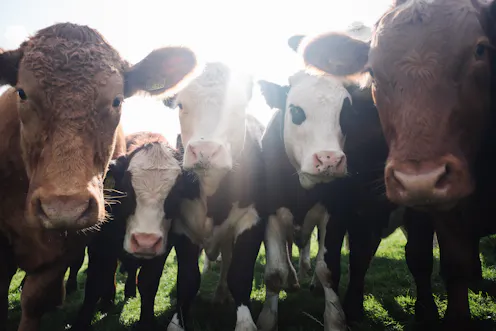
Removing human-related methane from the atmosphere could reduce global warming by 15%.
- Chief Research Scientist, CSIRO Environment; Executive Director, Global Carbon Project, CSIRO
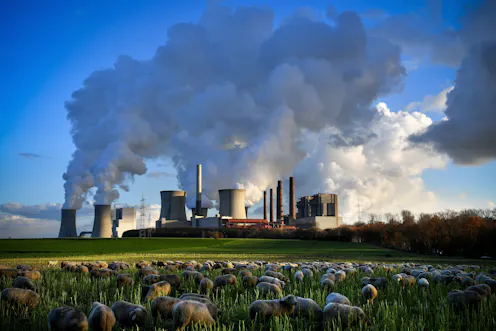
Reducing emissions doesn’t have to conflict with a growing economy, as these 18 developed nations show.
La demande énergétique en hausse est l’un des facteurs explicatifs de cette tendance.
For the second year in a row global greenhouse emissions from fossil fuels have risen, putting 2018 on course to set a new record, according to an annual audit from the Global Carbon Project.
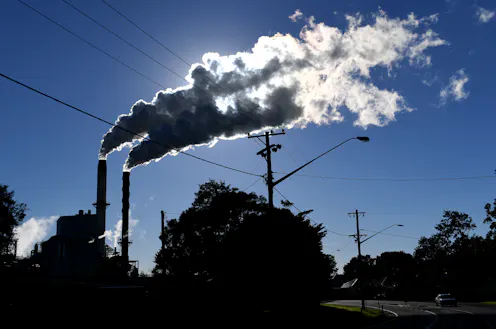
After three years in which global carbon emissions scarcely rose, 2017 has seen them climb by 2%, as the long-anticipated peak in global emissions remains elusive.
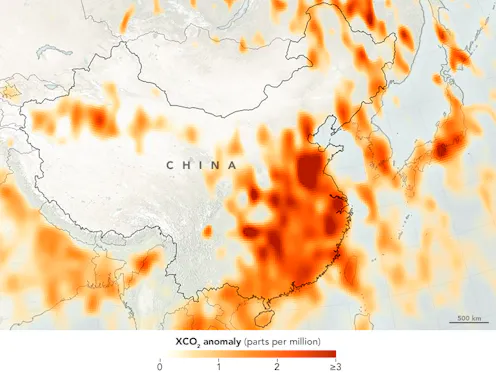
New data from a NASA satellite show in unprecedented detail the flow of carbon dioxide into the atmosphere. Future satellites should even be able to detect the signatures of individual power stations.
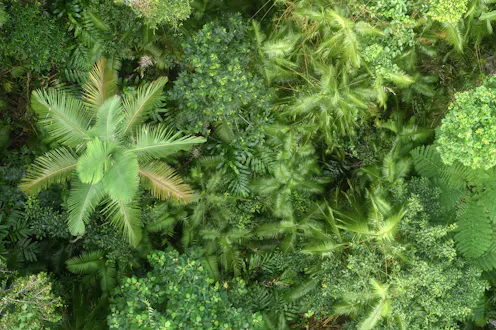
The globe is greening as plants grow faster in response to rising carbon dioxide. But a new analysis shows they aren’t using more water to do it - a rare piece of good news for our changing planet.

While the gases most responsible for global warming - carbon dioxide, methane and nitrous oxide - continue to climb, other industrial greenhouse gases are being brought gradually under control.
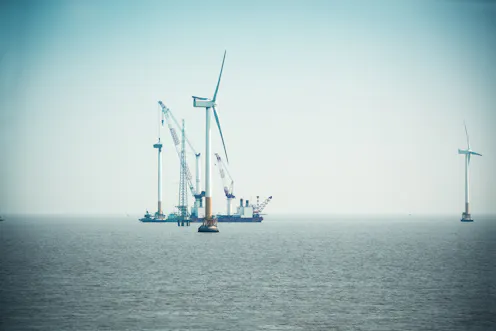
Global emissions from fossil fuels have stalled. That puts us in the right place to keep warming below 2°C, but there’s plenty of work still to be done.
Methane concentrations in the atmosphere are growing at a faster rate than any time in the past 20 years.
For three years, carbon emissions from fossil fuels have grown little or not at all, opening a window of opportunity to halt climate change.
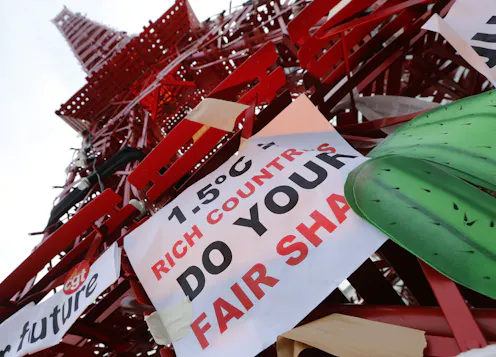
Experts agree that a new era for climate policy here. But the hard work starts now.
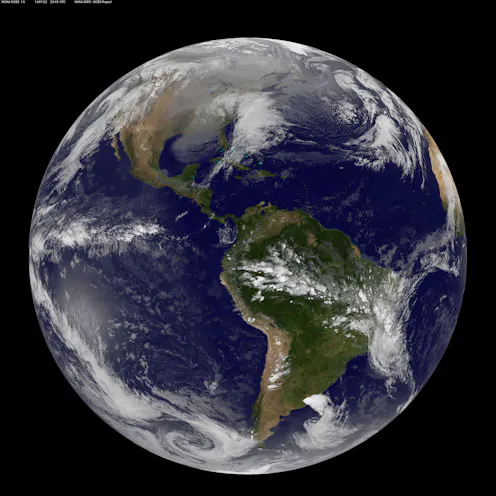
Half of the world’s vegetated land has got greener in the past 30 years, mostly driven by rising CO2.
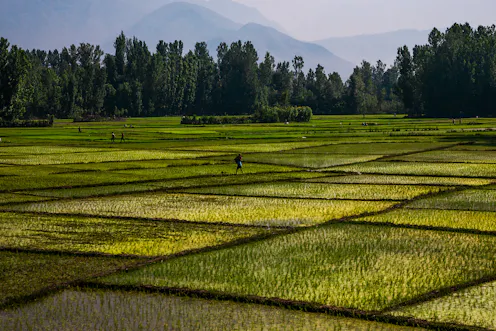
Fossil fuel emissions are slowing, but another major climate problem is becoming clear: food production.
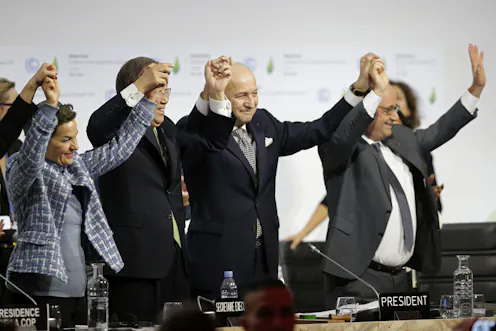
The Paris Agreement is an extraordinary achievement. But there is much work to be done to ensure global warming does not exceed dangerous levels.
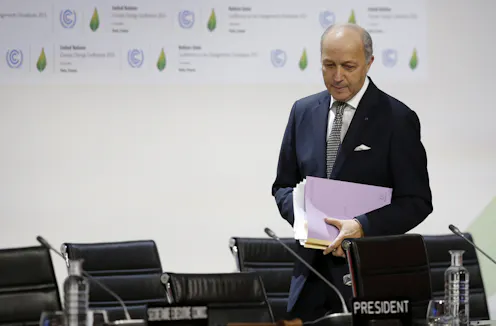
At the Paris climate talks, the world has signed up to the first truly global treaty to tackle global warming. Our experts react.
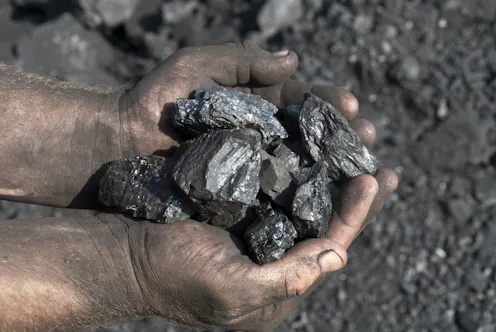
Despite robust global economic growth over the past two years, worldwide carbon emissions from fossil fuels grew very little in 2014, and might even fall this year.
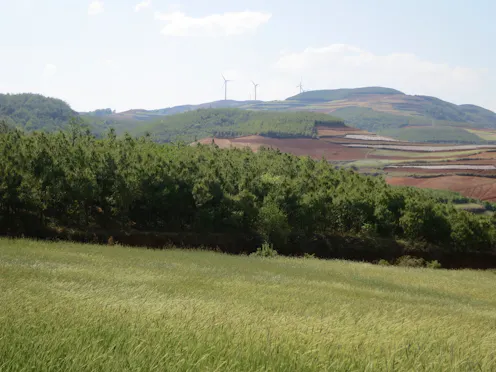
To prevent dangerous climate change, it’s likely we’ll have to remove carbon dioxide from the atmosphere. But that’s looking less and less promising.
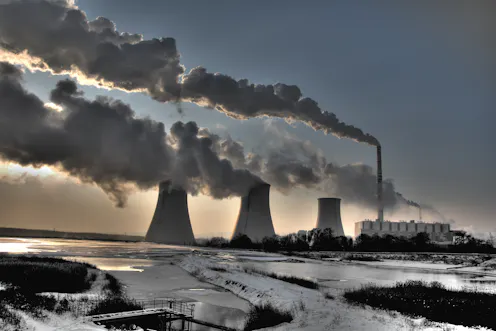
58 countries have submitted their climate targets ahead of international talks in Paris. We know the numbers, but not all efforts to combat climate change are equal.
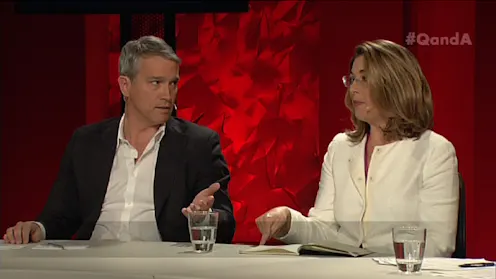
US Studies Centre research associate Tom Switzer said on Q&A that US carbon emissions had levelled off because of coal seam gas, but activist Naomi Klein said it was due to the economic downturn. What does the research say?

New estimates show that for more than a decade China’s greenhouse gas emissions have been overestimated by international agencies, while the country’s energy consumption has been underestimated. The research…
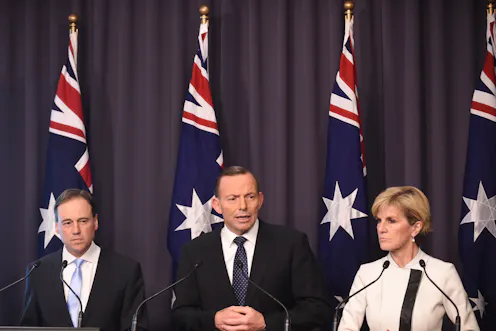
Australia will reduce greenhouse gas emissions by 26-28% below 2005 levels by 2030. Experts respond.
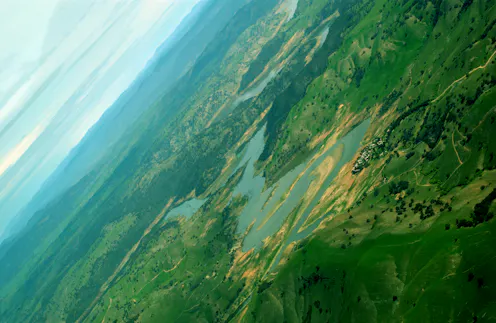
A new investigation of satellite records reveals that the Earth is getting greener, despite ongoing deforestation in Indonesia and South America.
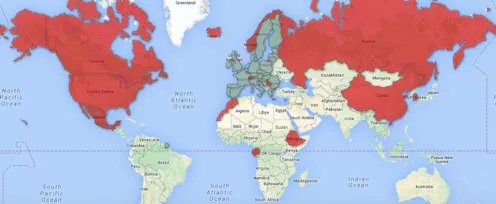
In the lead up to climate meetings in Paris at the end of the year, countries will release draft targets - the framework of a possible global climate deal. Follow our interactive map as we track these targets.
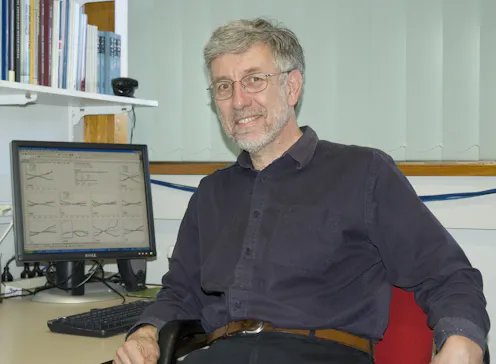
Dr Mike Raupach died earlier this week after a brief illness. He passed away peacefully at home with his family in Canberra, Australia. He was 64. Mike was a brilliant and outstanding scientist. He was…
Contact Pep for
- General
- Media request
- Speaking request
- Consulting / Advising
- Research collaboration
- Research supervision
- Location: Canberra, Australia
- Website
- BlueSky: @@pepcanadell.bsky.social
- LinkedIn: www.linkedin.com/in/pep-canadell-254993a6
- X (formerly Twitter): @pepcanadell
- Article Feed
- ORCID
-
- Joined
