

Deux bébés abandonnés à Longueuil mettent en lumière l’urgence de soutenir les femmes enceintes et parents sans domicile au Québec.
- Associate Professor, School of Psychology, Scientist, Children's Hospital of Eastern Ontario Research Institute, L’Université d’Ottawa/University of Ottawa

In the wake of an infant death in Kingston, Ont., it is critical for this tragedy to inform changes to policy and to systems that uphold the right to safety and well-being for all Canadian children.

Over one million Canadian children live in poverty. Child poverty is a pernicious childhood adversity that has detrimental long-term impacts on health, development and well-being throughout life.

Discussing climate change with children is important, and the three Es can help facilitate these discussions.

The rate of suicide attempts in children and adolescents increased by 22 per cent during the pandemic compared to before the pandemic.

Canada ranks 30th out of 38 wealthy nations in supporting the mental health and well-being of children. The need to invest in and prioritize mental health for children and young people is urgent.

Family routines can provide stability during times of stress. Here are four strategies for building resilience against stress and family challenges to put into place as children head back to school.

Si la guerre en Ukraine est un sujet inquiétant, l’éviter ne rassurera pas les enfants, bien au contraire. À tout âge ils ont besoin des mots pour apprivoiser leur anxiété. Quelques pistes.
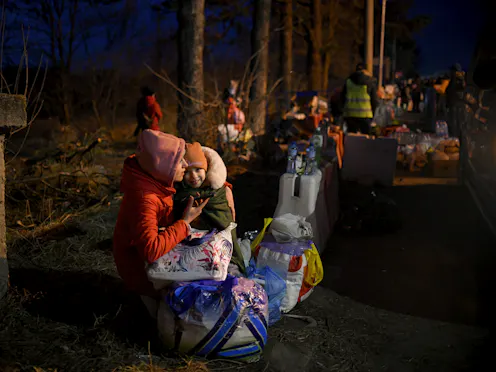
How to have important conversations with kids about world events like those taking place in Ukraine, and how to tailor them based on age and maturity levels — from child psychologists.

New research shows the dire effects of the pandemic on the mental health of children and youth, with as many as 25 per cent of young people affected. Immediate action can help address this distress.

Mothers’ well-being is crucial for children to flourish, but maternal mental health has suffered during COVID-19. Successful pandemic recovery for mothers and families depends on four factors.

Parents can help children feel optimistic by listening to and validating their worries, teaching them coping strategies, reviewing safety protocols and supporting them when they face difficulties.

It’s natural for children to be aware of the stress adults may be feeling about the COVID-19 pandemic. Child psychologists offer some practical advice for parents on how to talk to their kids.
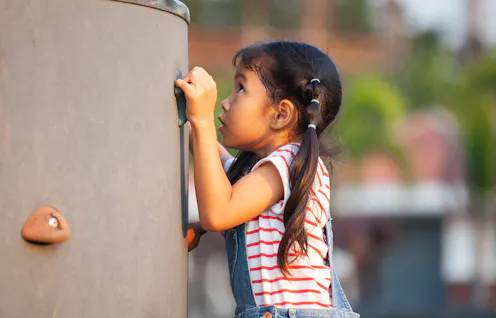
Paying to get your kids into prestigious universities is an example of a ‘bulldozer parenting’ trend, which reduces exposure to failure and can lead to mental health difficulties.

Une nouvelle étude révèle que des niveaux élevés de temps d’écran à deux et trois ans prédisent de moins bons résultats chez l’enfant à trois et cinq ans, respectivement.

A new study in JAMA Pediatrics suggests higher levels of screen time at two and three years of age predict poorer child outcomes at three and five years, respectively.

Childhood trauma impacts women’s health and can be passed from parent to child. New research shows that when new mothers feel supported, the risk of pregnancy complications is reduced.
Contact Nicole for
- General
- Media request
- Speaking request
- Consulting / Advising
- Research collaboration
- Research supervision
- Location: Ottawa, ON
- Website
- LinkedIn: nicole-racine-b7680218
- X (formerly Twitter): @racinen2
- Article Feed
- ORCID
- Joined
