
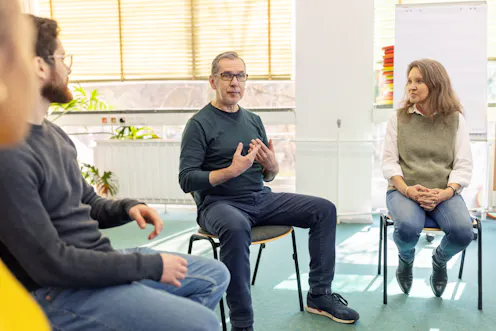
New research charts how preferences have changed over the past 45 years, and where they stand now.
- Professor of Psychology, The University of Melbourne
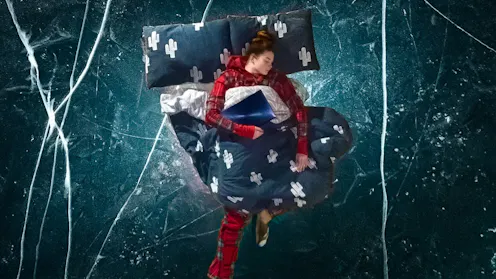
Sigmund Freud’s 800-page book on dreams introduced a new way of thinking about the mind that reverberated through the 20th century.

Social media platforms are shaping how we collectively think about mental health, a new study shows.
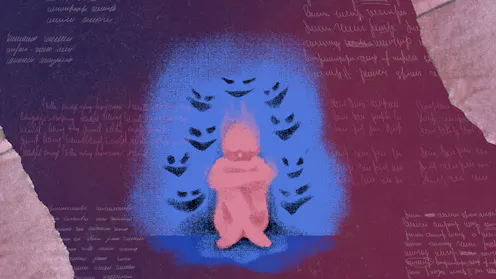
Trauma is everywhere in mainstream vocabulary and online, but its meaning has never been hazier. Has the concept been de-stigmatised or diluted? And does it matter?
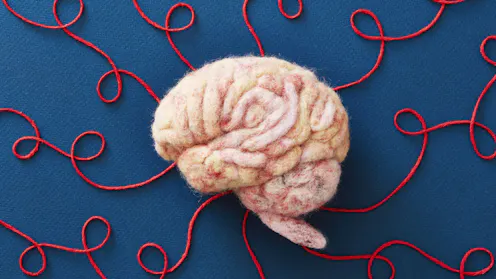
In A World Appears, Michael Pollan wonders if the search for consciousness might be a socially (and scientifically) acceptable proxy for the search for the soul.

An early figure in the psychoanalytic movement, Jung is often written off. But his ideas of the collective unconscious and emphasis on archetype and myth resonate.
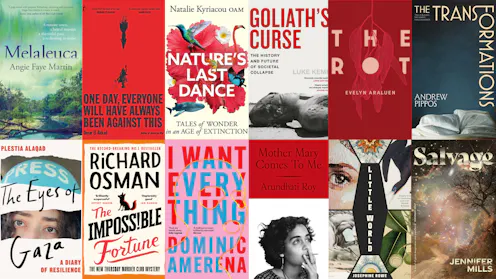
We found out the favourite 2025 books of 35 expert readers – and the Books & Ideas team shares our own picks, too.

Certain personality traits may help explain why some educated, well-intentioned people sometimes reject conventional medicine in favour of fringe practices.

The leading cause of death among construction workers is not falling from heights or electrocution – it is suicide. Some programs are helping, however.
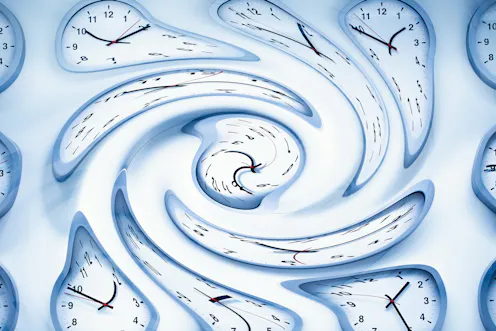
Memories are constantly revised in acts of recollection. They are moulded by new information, beliefs and emotions, and other people’s versions of events.
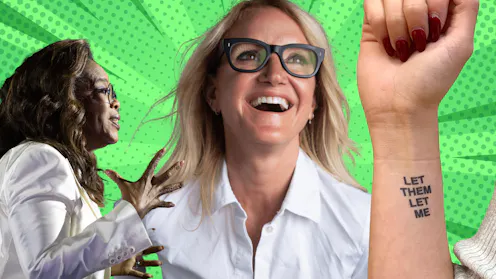
The Let Them world is far removed from the interconnected reality of social life, writes Nick Haslam. But books such as this may be useful.

A tendency to drag down those who set themselves above others, the syndrome supposedly reflects values of equality, humility and the storied ‘fair go’.

A staggering rise in the prevalence of many medical conditions and the cultural attention we pay them is the subject of a new book, The Age of Diagnosis.
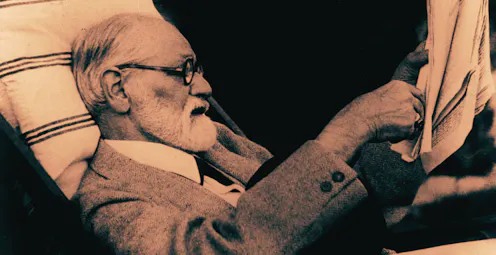
Some of Sigmund Freud’s ideas are now ridiculed. Others are on shaky scientific ground. But psychoanalytic theory can help us live authentic lives in an age of technological dominance.

We’ve invited writers, from fields as diverse as wildlife ecology, politics and literature, to nominate their best books of 2024. And this year, the Books & Ideas team share their own picks, too.

Past research has looked at the objectification of women and violence against them. Our new study makes it personal.
We can’t isolate human misery from its broader context. But while adverse environments play a role in the youth mental health crisis, culture is crucial too.

In a new study, we looked at how the presence of diagnostic labels – such as ‘major depressive disorder’ or ‘PTSD’ – affected the way people perceived others experiencing mental distress.

A new book critiquing our contemporary emphasis on personal resilience is deeply flawed, writes Nick Haslam.

People who have a lower threshold for defining distress as a disorder are more likely to identify themselves as having a mental illness.
Is one term less pathologising than another? Here’s what our new research found.
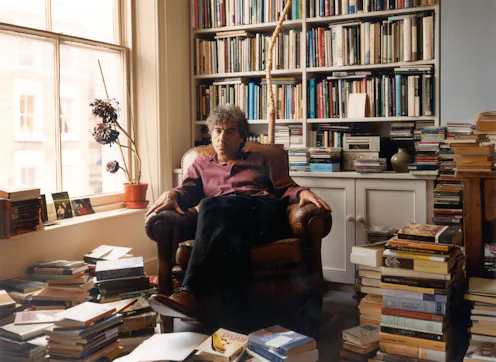
Writer and psychotherapist Adam Phillips is often hailed as one of the world’s great essayists. His new book – exploring the topic of giving up, among other things – is both erudite and slippery.
Christopher Lasch’s sharp-tonged a critique of American society was a product of its time, but has things to say about the present.

Plan your summer reading or catch up on what you missed with The Conversation’s selection of the best books of the year.
Our health consumes a growing share of our economy and our attention, but we are not in great shape. Even as a ruinous pandemic subsides, epidemics of chronic disease, obesity, addiction and mental illness…
Contact Nick for
- General
- Media request
- Speaking request
- Consulting / Advising
- Research collaboration
- Research supervision
- Location: Melbourne
- Website
- Article Feed
- ORCID
- Joined
