
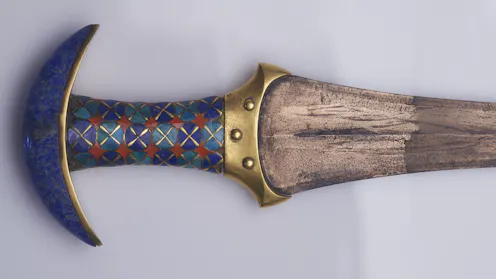
Ancient Egyptian princesses were buried with bows, arrows and daggers – and new research shows they weren’t just for decoration.
- Professor of Archaeology and Biological Anthropology, School of Social Science, The University of Queensland
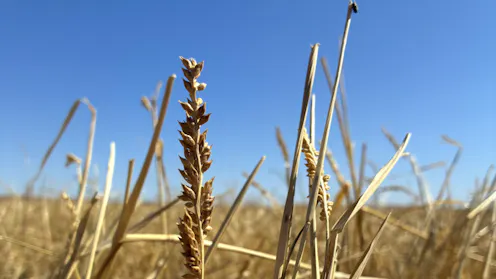
Natural selection may not be the only force that has contributed to the evolution of channel millet’s unusual genetics.
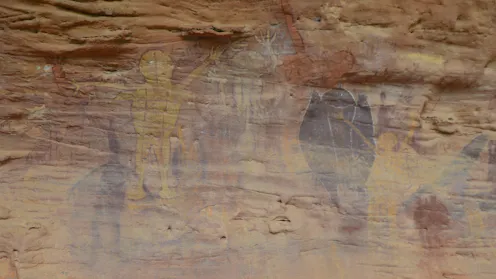
The Queensland government has halted a World Heritage nomination bid put forth by Labor last year. It’s next steps could greatly impact the cape’s future.
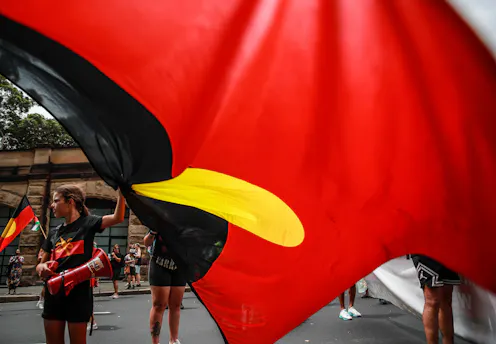
By limiting the syllabus to events post-1788, the NSW Education Standards Authority indirectly sends students the message that Australia’s ‘history’ began at colonisation.
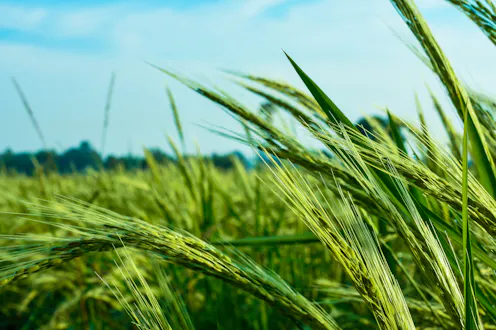
For a decade, debate has raged over Dark Emu’s account of Aboriginal agriculture. But ancient food production in Australia is more complex than labels like farming or hunter-gathering suggest.
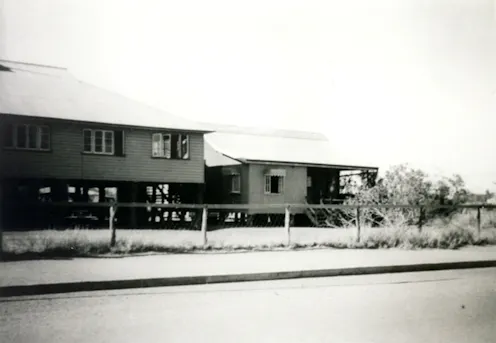
Research conducted with Gkuthaarn and Kukatj community members helps paint a picture of the lives of eight young Aboriginal people who lived during early colonial expansion.
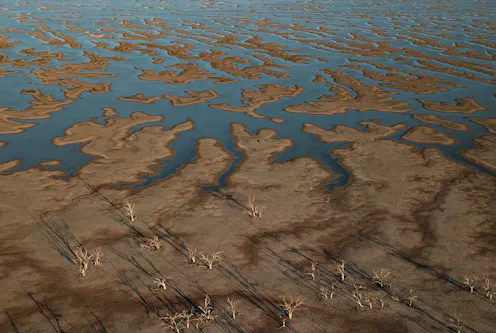
Indigenous engineering and care for Country points to a better way to manage the Baaka.
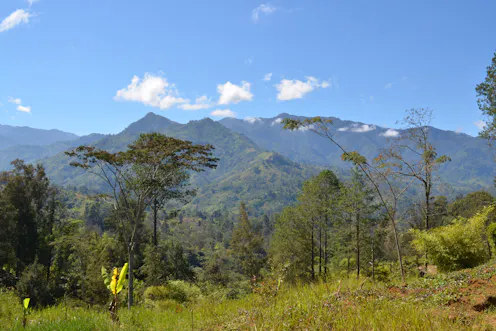
Our work provides new evidence against the theory that people living in Sahul drove the megafauna extinction.
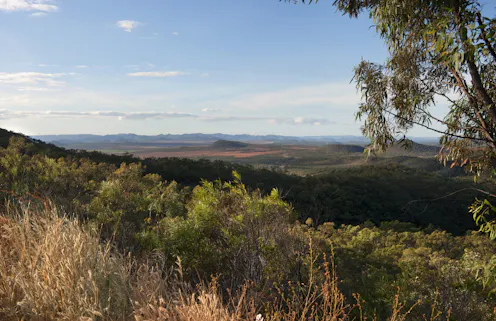
How can we improve the management of Queensland’s heritage sites? Can farming and the conservation of Aboriginal heritage co-exist?
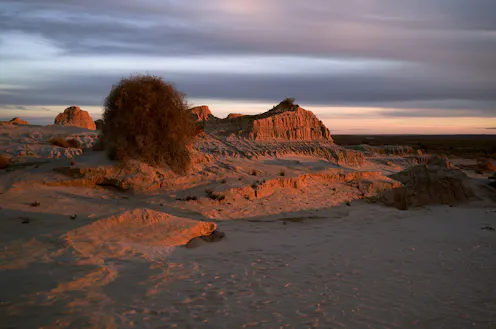
Plans are progressing to rebury the remains of some of Australia’s most significant inhabitants. But scientists say this will see the potential to learn more about the origins of humanity vanish.

We have found 140 quarry sites, where rock was excavated to make seed grinding stones, in the Channel Country of Central Australia. It’s part of a major project testing Bruce Pascoe’s hypothesis.
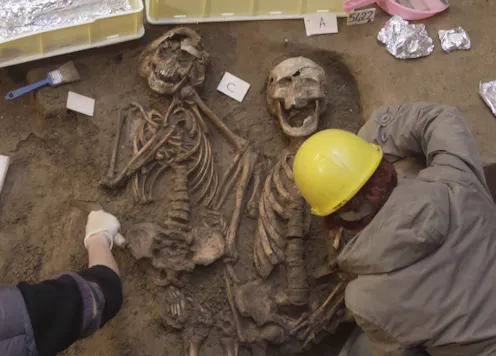
People have lived with infectious disease throughout the millennia, with culture and biology influencing each other. Archaeologists decode the stories told by bones and what accompanies them.
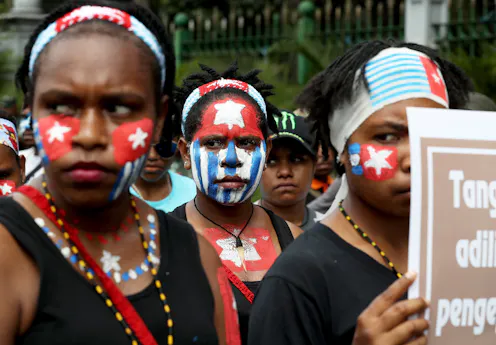
Untuk menarik perhatian pada konflik baru di Papua Barat, peneliti Australia menengok puluhan tahun ke belakang untuk mendokumentasikan insiden kekerasan dalam proyek pemetaan baru.
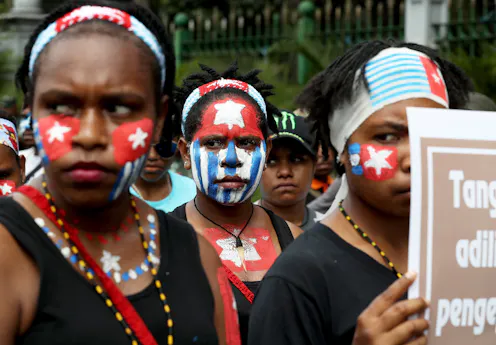
To bring attention to the renewed conflict in West Papua, Australian researchers are going back decades to document incidents of violence in a new mapping project.
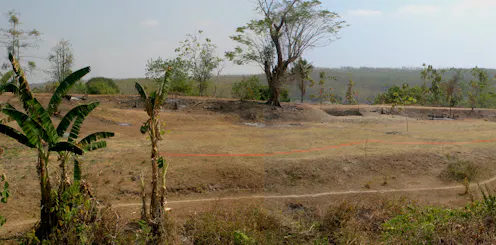
Our extinct, distant cousins still lived in Indonesia 110,000 years ago.
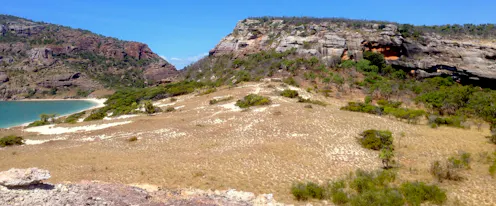
It’s not always easy to work out where Aboriginal remains came from, but science can help.

How do you return Aboriginal remains to their place of origin when you have no record of where they came from? Look to a chemical element that’s laid down in teeth as people grow up.
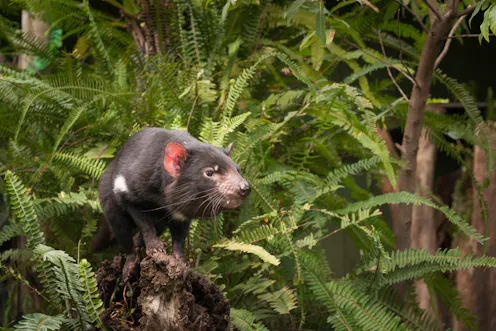
It’s often said you need to look to the past to learn about the future, and that’s what the fossil record can tell about how the Tasmanian Devil survived in the past on mainland Australia.

When the remains of Aboriginal people who died more than a century ago were found, the local Aboriginal community wanted to know more about these past lives.

Modern day people of short stature became physically small due to the effects of living on a small island or forested environment. But we’re not sure why “the Hobbit” of Flores was so small.
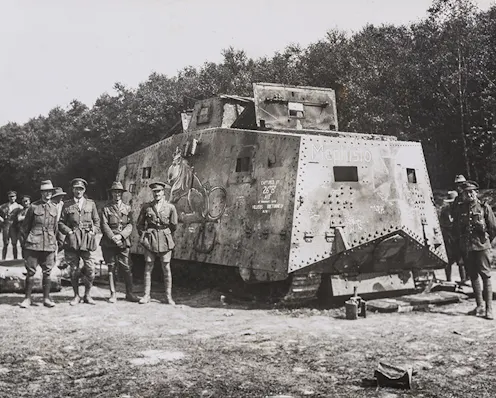
One hundred years after its capture from the battle fields of France, the last German battle tank of its kind is giving up its secrets to archeologists and forensic analysis.
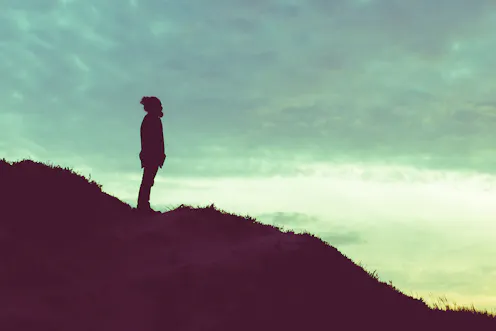
The story of where humans come from is growing as new evidence – and new methods of analysis – emerge all the time.
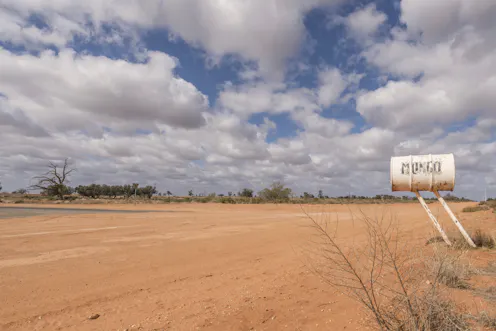
The remains of the first known Australian, Mungo Man, begin their journey home today. Scientists hope they’ll still get a chance to study the ancient remains, working with the Traditional Owners.
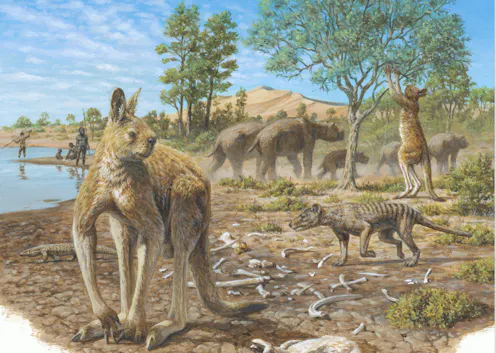
The extinction of the giant reptiles, marsupials and birds that once called Australia home has been the subject of much debate, including the role early Australians may have had on their fate.
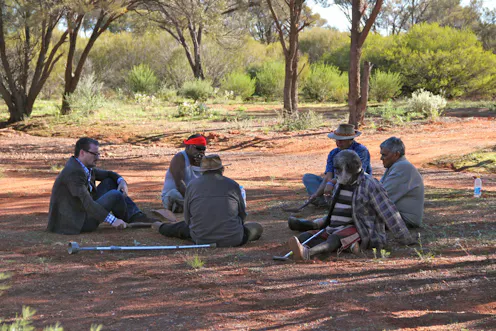
New DNA research working with Indigenous Australians is answering many of the questions about when and where the First Australians emerged many thousands of years ago.
Contact Michael for
- General
- Media request
- Speaking request
- Consulting / Advising
- Research collaboration
- Research supervision
- Location: Brisbane, Australia
- Website
- X (formerly Twitter): @WestawayMichael
- Article Feed
- ORCID
- Joined
