

Surveys may overestimate belief in conspiracy theories because of trolls and jokers – but genuine believers can still cause real-world harm.
- Senior Lecturer in Social Psychology, La Trobe University

A global new survey shows there’s no crisis of trust in scientists, as some might claim. But there are some nuances.
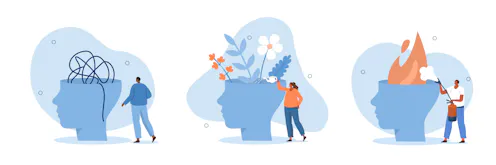
Unmet psychological needs can drive people toward conspiracy belief, but this can start a self-reinforcing cycle which further erodes the need and creates more mistrust and disconnection.
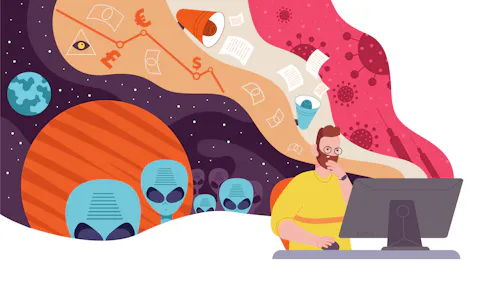
Um novo estudo não encontrou evidências de que as crenças das pessoas em teorias da conspiração aumentam com o tempo
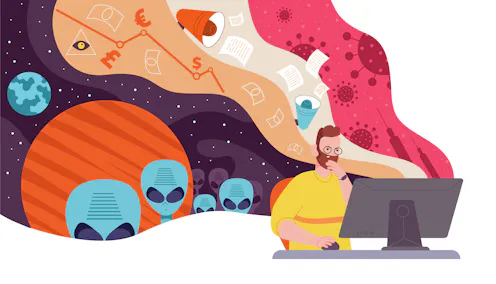
A new study has found no evidence that people’s beliefs in conspiracy theories increase over time. They can even change their minds – just not that often.

Convencer a alguien de que una teoría conspiranoica no es cierta tiene menos que ver con los hechos o la evidencia y más con la empatía y el establecimiento de un espacio compartido.

Attacking the beliefs of conspiracy theorists is only likely to make them dig their heels in.

At least half of Australians and New Zealanders in a recent study believed in one major conspiracy theory.
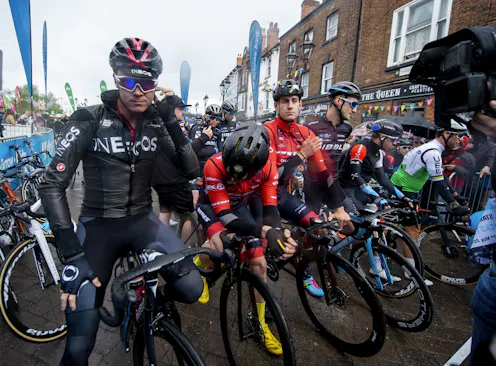
Conspiracy theories help sports fans make sense of unexpected events – like when a whole rugby team becomes sick before a world cup final, or the retirement of Michael Jordan from basketball.
Contact Mathew for
- General
- Media request
- Speaking request
- Consulting / Advising
- Research collaboration
- Research supervision
- Location: Melbourne, Australia
- Website
- BlueSky: @mdmarques.com
- X (formerly Twitter): @fabiovelo
- Article Feed
- ORCID
- Joined
