

Partnerships need to grapple with the tension between what to preserve and what to change rather than be paralysed by it.
- Professor at UTS Business School; Centre for Climate Risk and Resilience, University of Technology Sydney

Longtemps cantonnée aux plateformes numériques, l’« enshittification » touche désormais l’édition académique. Une logique de profit croissante transforme la manière dont la recherche est produite, évaluée et diffusée…

Academic publishing now shows the same decline that has hit social media and online marketplaces.
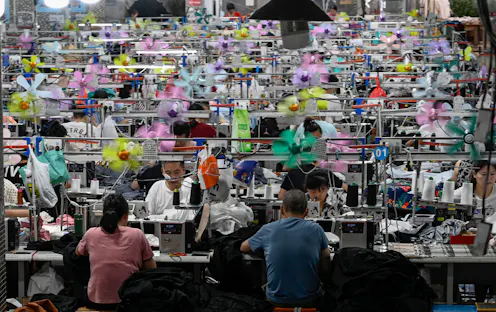
High US tariffs on Chinese-made goods didn’t halt the fast fashion industry. They just rerouted it, and the Australian market has been flooded.

New research examining how net-zero announcements from the US, UK, and China affected global financial markets could help forecast what the future may hold, if the US pulls back on its commitments.
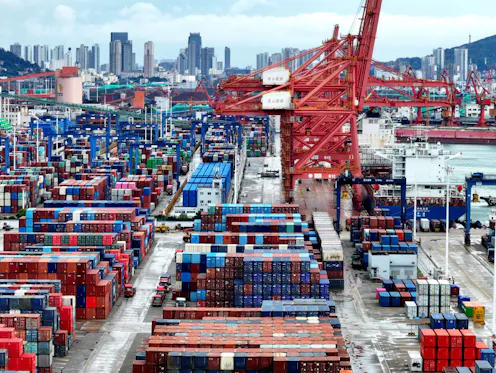
There needs to be a shift in sustainable supply chain management to go beyond minimising harm to proactive regeneration.

Will it make a difference when companies have to track and report emissions and environmental impact? Only if policies with teeth follow.
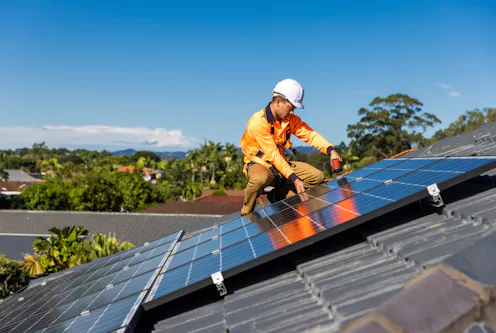
The very people most in need of the cost savings from installing solar panels are missing out. Better policies are needed to make home solar systems accessible to all Australians.
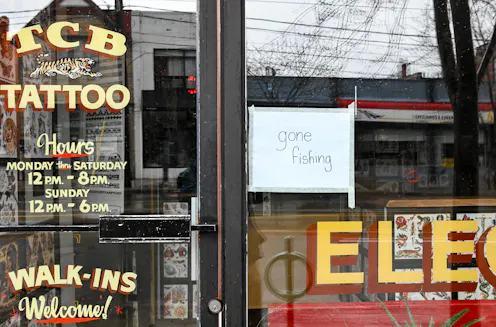
Businesses are struggling in these difficult times — but there is a shimmer of hope in the incredible creativity, ingenuity and resilience that we see from around the globe.
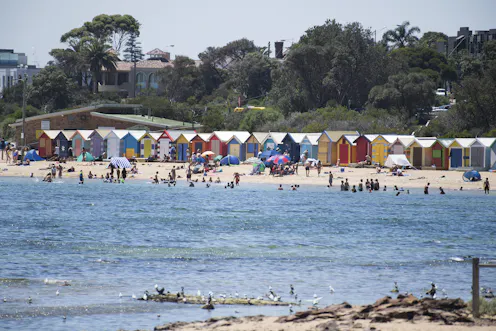
Pollutants from fossil fuel combustion cause thousands of premature deaths nationwide every year. This is just one way our climate change policies impact on the nation’s health.
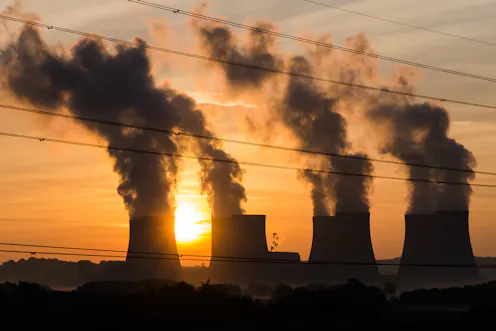
Australia needs to accelerate its transition to clean energy, and not prolong the use of high-polluting, coal-fired infrastructure. Otherwise it risks missing out on an economic windfall.
