

The acquisition of EA for US$55 billion is a continuation of similar consolidation trends that have been seen across the creative sector, including music, film and television.
- Associate Professor, School of Creative Industries, The Creative School, Toronto Metropolitan University

With the rise of the live-service model, video games have shifted from a product you buy to a service you rent, one that publishers can switch off whenever they want.

What if one of the answers to the challenges of distance learning was to go back to basics and set up less “tech” and more human contexts?

Governments, universities and creative companies that have experienced growth in the pandemic should play a role in long-term collaborative strategies to support artists and small arts companies.

Et si une des réponses aux enjeux de l’enseignement à distance passait surtout par un retour à l’essentiel et la mise en place de contextes moins « technos » et plus humains ?

Companies ought to take this time to take stock of and imagine different possible scenarios and to collaborate with their key people.
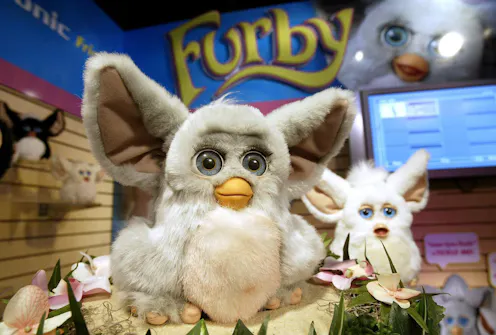
Why do certain toys create a frenzy? Turning raw materials into something that sparks kids’ imagination is no small endeavour.

Media giants like ESPN may have thought that eSports was a fad but not anymore. Revenue from eSports video games are set to take over traditional sports leagues.
Contact Louis-Etienne for
- General
- Media request
- Speaking request
- Consulting / Advising
- Research collaboration
