

One clue is the nature of pain and its powerful effect on our thoughts and behaviours.
- Bradley Distinguished Professor, Adelaide University

Back pain is common. One in thirteen people have it right now and worldwide a staggering 619 million people will have it this year. Chronic pain, of which back pain is the most common, is the world’s most…

Trust Me I’m An Expert: The science of pain
The Conversation58.7 MB (download)
Our podcast Trust Me, I'm An Expert, goes beyond the headlines and asks researchers to explain the evidence on issues making news. Today, we're talking pain and what science says about managing it.

If you’ve ever experienced pain in your vulva, you’re not alone. Around 16% of women will have vulvar pain that lasts for longer than three months. They are likely suffering from vulvodynia.
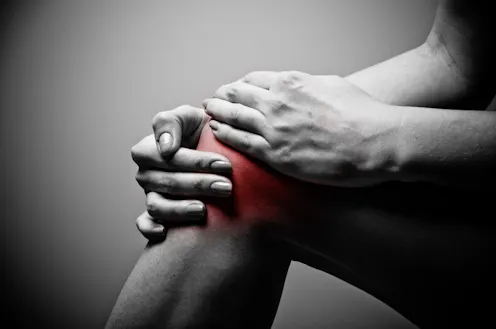
Pain scientists are reasonably agreed that pain is an unpleasant feeling in our body that makes us want to stop and change our behaviour.

People develop a long-term problem after an episode of back pain if they expect to not recover. Steps by the medical sector to avoid catatrophising back pain by not suggesting scans will help.
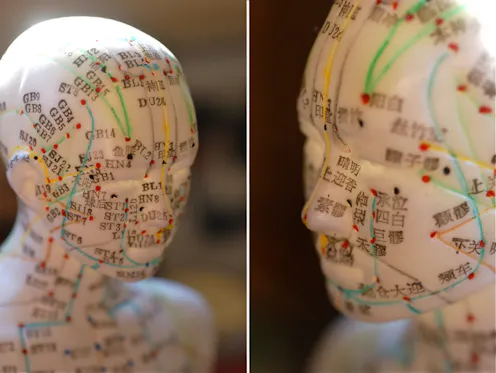
A recent, rather flattering, article on acupuncture on this website holds a mirror to a broader problem in the world of acupuncture research. A problem that goes to the heart of the most fundamental scientific…

Everybody hurts, but not everybody keeps hurting. The unlucky few who do end up on a downward spiral of economic, social and physical disadvantage. While we don’t know why some people don’t recover from…
Contact Lorimer for
- General
- Media request
- Speaking request
- Consulting / Advising
- Research collaboration
- Research supervision
- Location: Kaurna Country, Adelaide, Australia
- Website
- Article Feed
- ORCID
- Joined
