

The government acknowledges the current market-based model isn’t working. So what changes are ahead for disability accommodation?
- Professor, Rehabilitation, Ageing and Independent Living Research Centre and Occupational Therapy Department, School of Primary and Allied Healthcare, Monash University
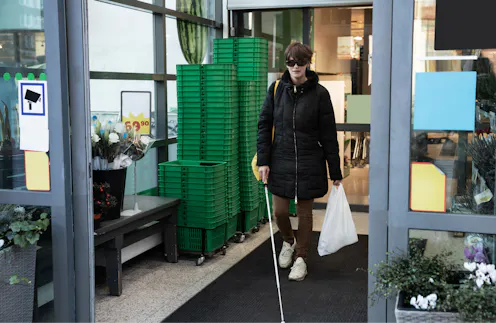
Could these actions secure the scheme for the future? Or might they create new barriers for the very people the NDIS was designed to empower?

5 disability experts tell us their initial thoughts about plans to reform the NDIS and make it sustainable

Plans to use buying power to save money on assistive technology for NDIS participants should be approached with caution. Otherwise, savings may come at the cost of a person-first approach.
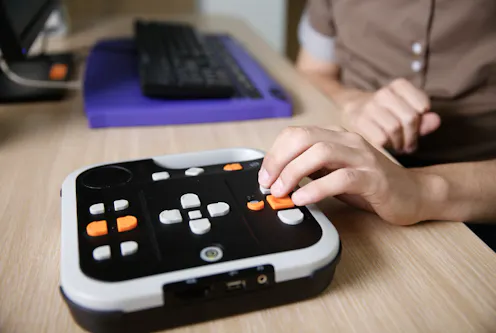
The WHO has released a major report on assistive technology. It says almost 1 billion children and adults can’t get the glasses, wheelchairs, technology, devices or other supports they need.

Some NDIS participants have been unable to find support workers to help them with their daily living. The government needs to do more to attract disability workers.
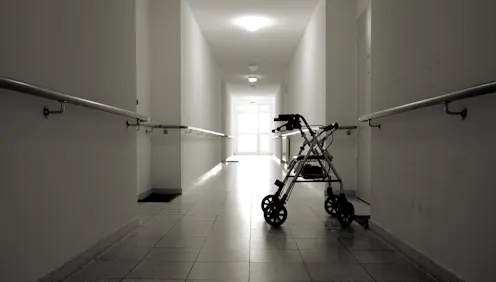
Around 6,000 Australians aged under 65 still live in nursing homes, cut off from their families and peers, with inadequate support for their disabilities.
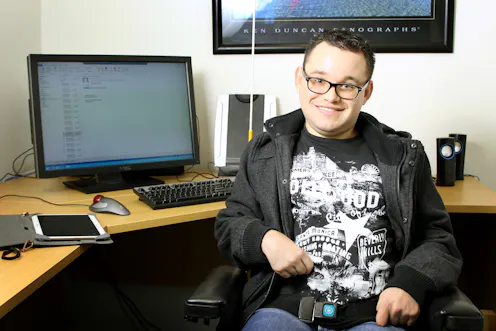
New rules offer the possibility of an inclusive Australian society that enables people with the highest disability-related support needs to have equal access to mainstream services including housing.
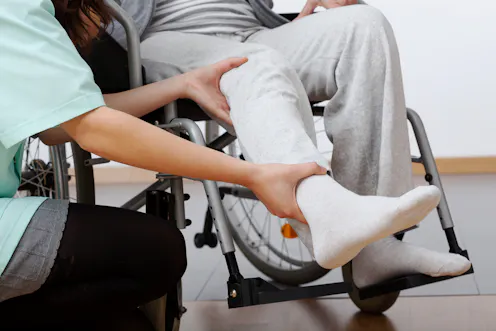
The greatest beneficiaries of the NDIS will be those with the highest physical and medical support needs. They shouldn’t be turned away for knocking on the wrong door.

As the NDIS roll-out begins, Australia faces a housing shortfall affecting up to 122,000 participants. Developing smart technology and design offers more independent living for people with disability.
The National Disability Insurance Scheme (NDIS) is a once-in-a-lifetime disability reform, but a report released today by the Summer Foundation and PwC shows the scheme alone cannot resolve the issue of…
Research published this week confirms what disability advocates have long known: that young people shouldn’t be forced to live in nursing homes. Our joint Summer Foundation and Monash University study…

Michelle Newland was 19 years old when she had a severe asthma attack that left her with hypoxic brain injury. After eight weeks, the hospital staff told Michelle’s parents that she was not suitable for…
Contact Libby for
- General
- Media request
- Speaking request
- Consulting / Advising
- Research collaboration
- Research supervision
- Location: Melbourne, Australia
- Website
- X (formerly Twitter): @libby_callaway
- Article Feed
- ORCID
- Joined
