
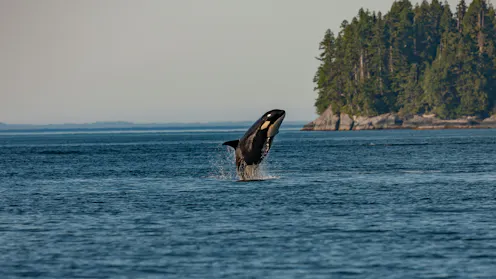
Impact assessments prevent harm before it occurs. Circumventing the process before we understand the risks is misguided and a gamble with our collective future.
- Professor of Biology, Department of Biology, University of Victoria
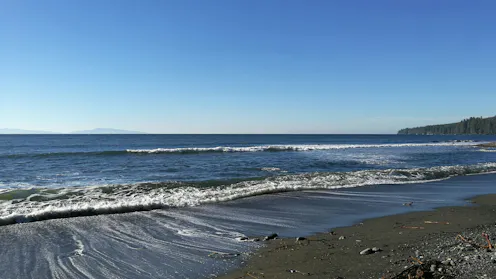
The multi-year heat wave nicknamed ‘The Blob’ impacted thousands of kilometres of marine ecosystems from Alaska to Baja California.
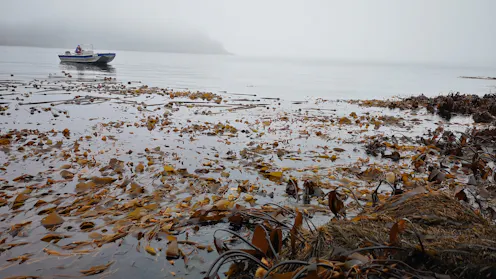
Highly productive kelp forests are being touted as a natural climate solution, but do we know enough to count them as such?
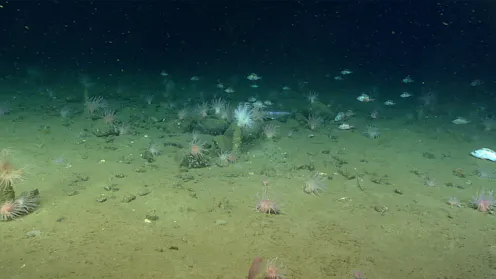
New research has revealed the scale of the carbon-storage potential of the seabeds around Canada, conservation efforts must take this new data into account.
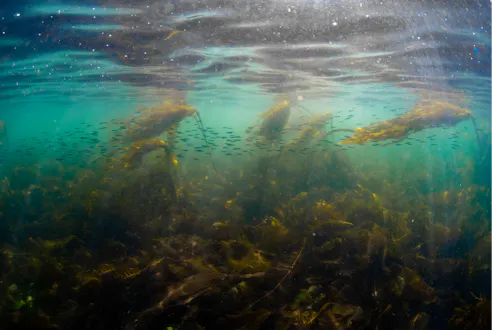
Kelp forests around the world, and in Canada, are under threat. New research sheds further light on the health, and resilience, of these crucial ecosystems.
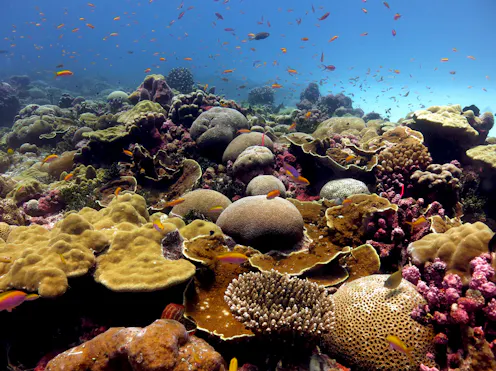
Exploring the often unseen, and poorly understood, nuances of diversity within coral reefs may prove essential for ensuring the long-term health of Earth’s oceans.
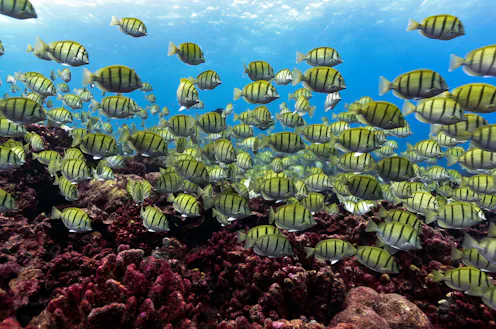
Ikan karang hilang saat gelombang panas muncul, tapi cepat kembali lagi kepada terumbu karang yang sehat.
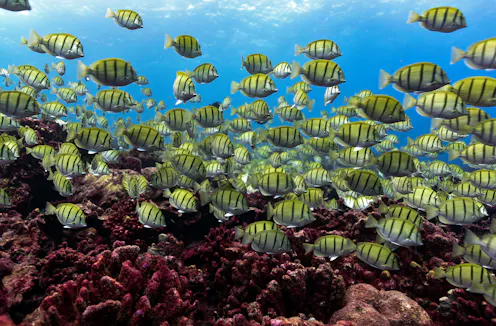
Reef fish vanish during marine heat waves, but may bounce back quickly on reefs that have few other environmental stressors.
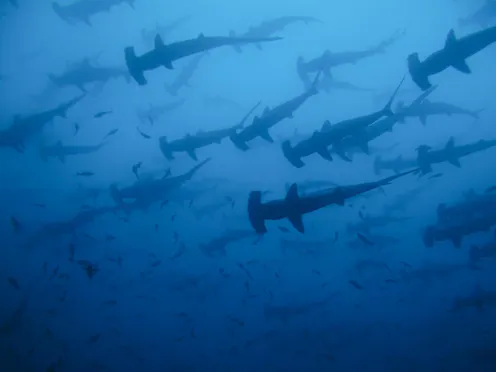
Divers at the famed Cocos site off Costa Rica record declines in a number of shark species – a sign that marine preserves are limited protection against illegal fishing.
Contact Julia for
- General
- Media request
- Speaking request
- Consulting / Advising
- Research collaboration
- Research supervision
- Location: Victoria, Canada
- Website
- BlueSky: @baumlab.bsky.social
- LinkedIn: www.linkedin.com/in/julia-baum-59507a228
- Article Feed
- Joined
