
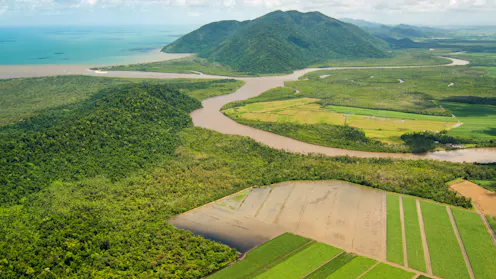
There’s one big threat facing the Great Barrier Reef which Australian authorities can solve. But will they?
- Adjunct Principal Research Fellow, College of Science and Engineering, James Cook University
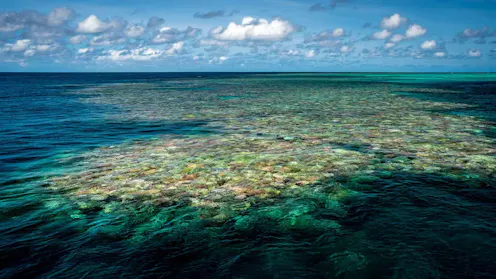
Globally important natural areas such as Ningaloo and Shark Bay have been hard hit in recent years. But Macquarie Island is recovering.
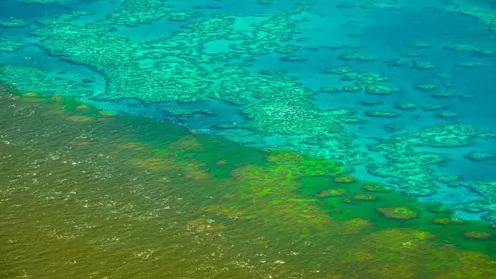
UNESCO’s comments confirm what experts already know: despite substantial money and effort, threats to the Great Barrier Reef aren’t going away.

The scale of climate threat is beyond the tools we have to manage the Great Barrier Reef. New measures and sustained effort are needed.
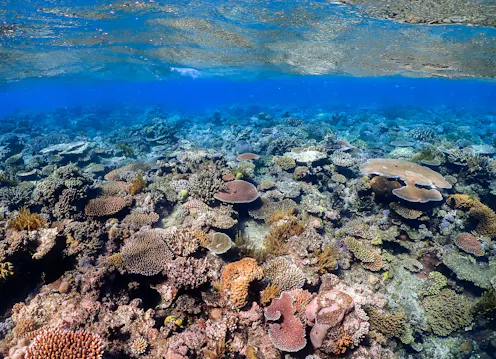
Environment ministers from both sides are determined not to see the Barrier Reef listed as in danger. The question is – why?
Australia’s Traditional Owners have survived climate shifts before. Bringing traditional ecological knowledge in contact with western climate scientists could help First Nations survive this one.
Saving the Great Barrier Reef is not about throwing money at it – what matters is how the dollars are spent.
Friday’s decision from the World Heritage Committee doesn’t change the irrefutable evidence that dangerous impacts are occurring on the Great Barrier Reef.
Federal environment minister Sussan Ley wrote an opinion article saying the reef didn’t deserve to be the poster child for climate change perils. We disagree.
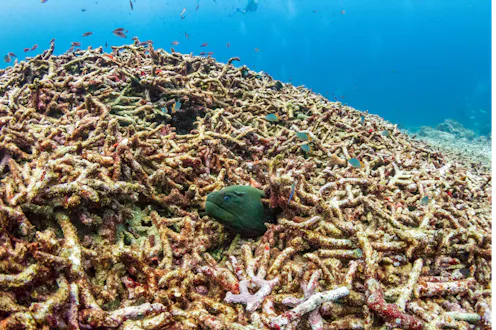
The development is significant for several reasons – not least that Australia’s progress under the Paris Agreement is being linked to its stewardship of the reef.
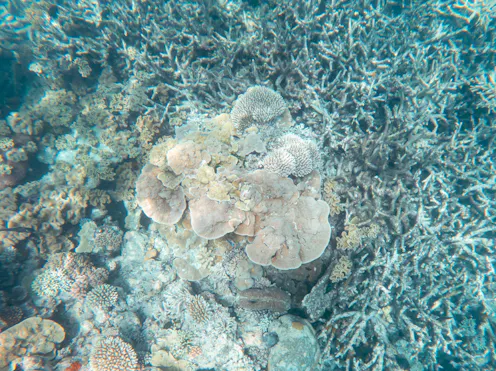
The health of five World Heritage sites in Australia has worsened, according to a sobering report from the International Union for Conservation of Nature.
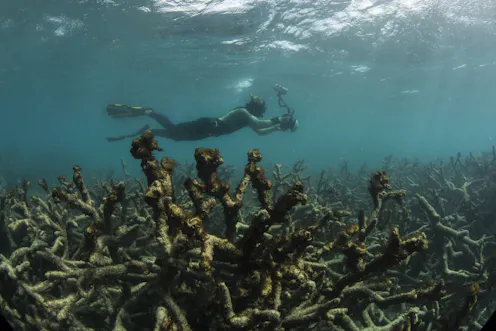
Australia says the reef’s world heritage values are fine and the threats are in hand. But the reality is far different.
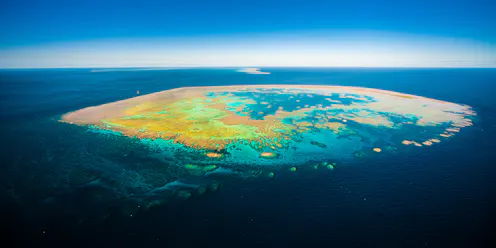
We all know that climate change is hurting the Great Barrier Reef. But scores of other less-publicised threats also threaten the future of the natural wonder.
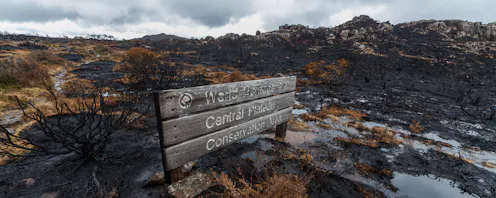
World Heritage globally is threatened by climate change, in all sorts of ways. A new tool identifies the key risks and best strategies for both natural and cultural wonders.
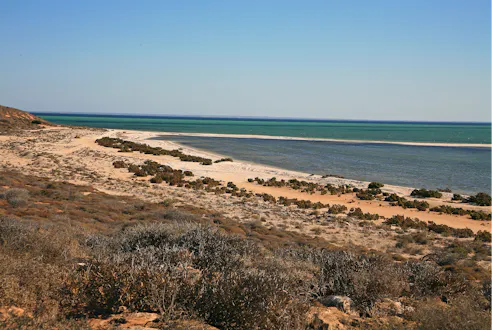
Everyone knows the Great Barrier Reef is in peril. But a continent away, Western Australia’s Shark Bay is also threatened by marine heatwaves that could alter this World Heritage ecosystem forever.
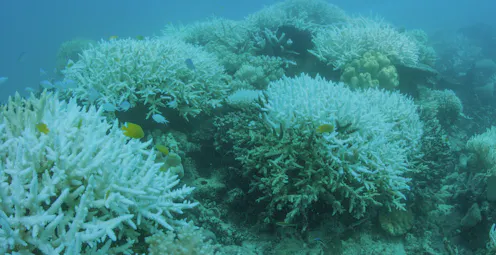
Amid fears for the world’s coral reefs, the UN World Heritage Committee has issued its most wide-ranging statement so far on protecting heritage sites from climate. But the problem doesn’t end there.
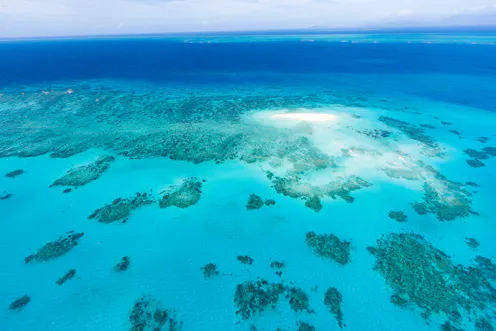
The government’s latest report to UNESCO on the Great Barrier Reef paints a rosy picture.
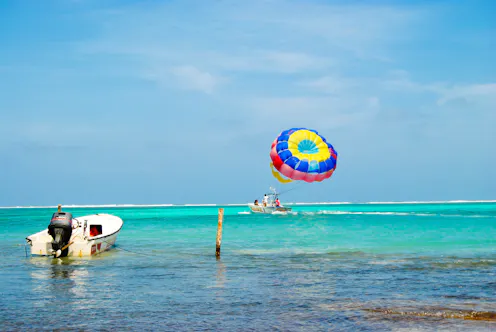
Australia’s government has lobbied hard to avoid the Great Barrier Reef being described internationally as being in danger. But that publicity wouldn’t necessarily hit tourism that hard anyway.

The statistic that bleaching has been seen in 93% of surveyed areas of the Great Barrier Reef has sparked worldwide coverage - not all of it accurate.

Australia was spared the ignominy of having the Great Barrier Reef listed as officially in danger. But comments from member countries of the World Heritage Committee show the world is still worried about it.
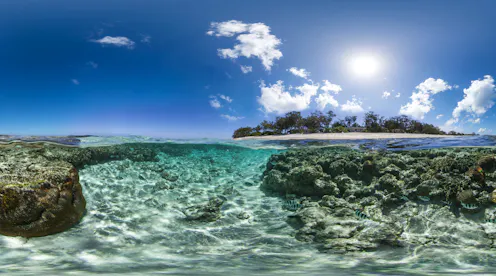
Whether it’s on the official “in danger” list or not, the Great Barrier Reef is clearly under threat. UNESCO has placed its faith in Australia, but without urgent action the problems will not go away.
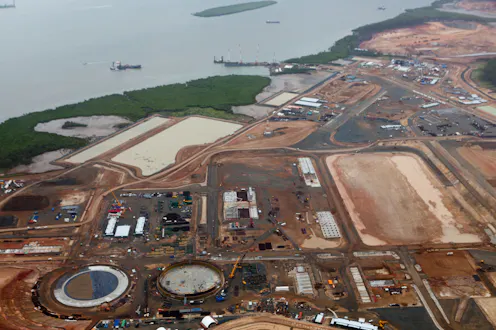
The coast alongside the Great Barrier Reef is home to ports, farms, holiday resorts, and more than a million people. It all puts pressure on the Reef, and it’s time for some firms plans to manage it.
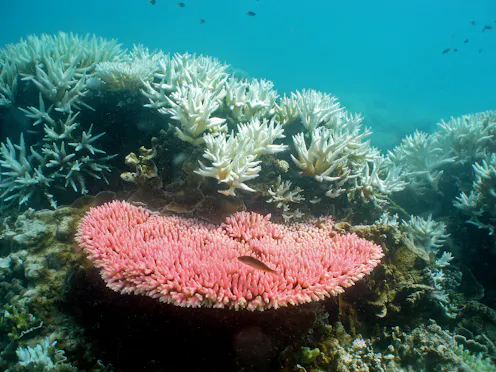
The government says it has met all of the recommendations for safeguarding the Great Barrier Reef. But a close reading of the dozens of UN recommendations shows that many have been only partly fulfilled.
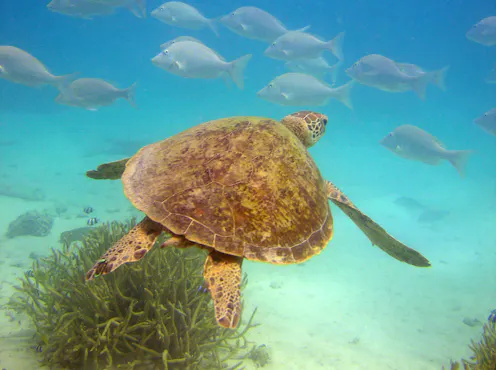
The Australian government’s latest report on the Great Barrier Reef, submitted to the UNESCO World Heritage Centre last Friday, has been carefully crafted and word-smithed, with many of its claims supported…
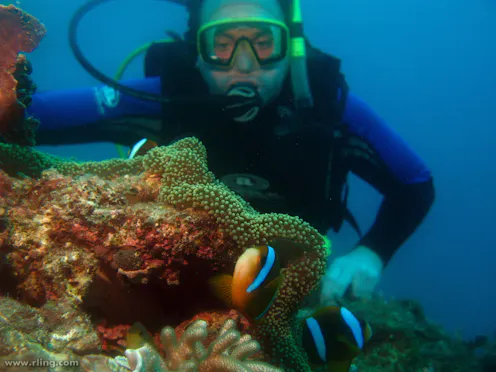
The Great Barrier Reef is a national and global icon, inscribed on the World Heritage List in 1981. Since then, it’s become apparent that this vast array of marine ecosystems – stretching along 2,300 kilometres…
Contact Jon for
- General
- Media request
- Consulting / Advising
- Research collaboration
- Location: Townsville, Australia
- Website
- Article Feed
- ORCID
- Joined
