
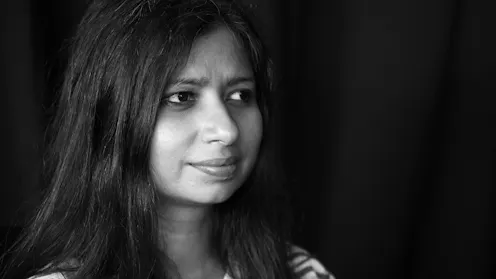
Neha Kale’s A Foreign Return: on art and habitation is an unusual blend of memoir and art criticism, spanning continents and time.
- Honorary Senior Fellow, School of Culture and Communication, The University of Melbourne
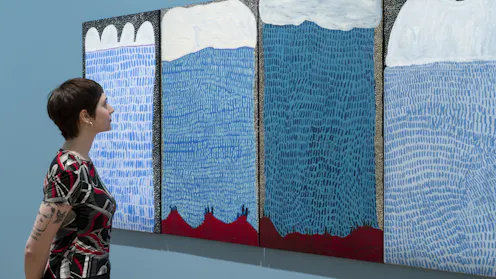
After the Rain, curated by Tony Albert, celebrates the resurgence of Australian Indigenous cultures in the aftermath of the loss of the referendum
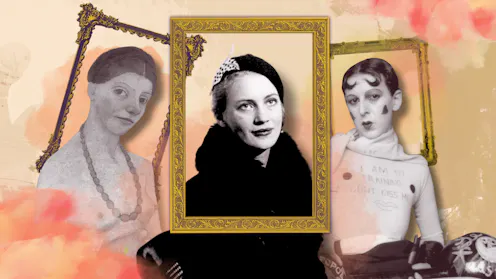
In A Woman’s Eye, Her Art, Drusilla Modjeska unpacks how the once-forgotten women artists of the early 20th century continue to inspire today.
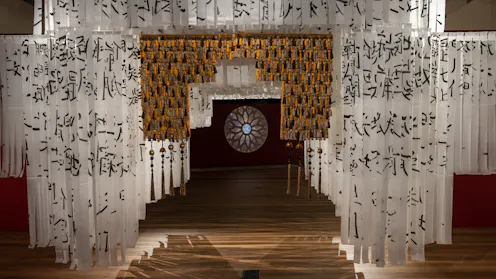
The Neighbour at the Gate at Sydney’s National Art School Gallery presents a thoughtful examination of the consequences when good neighbours become good friends.
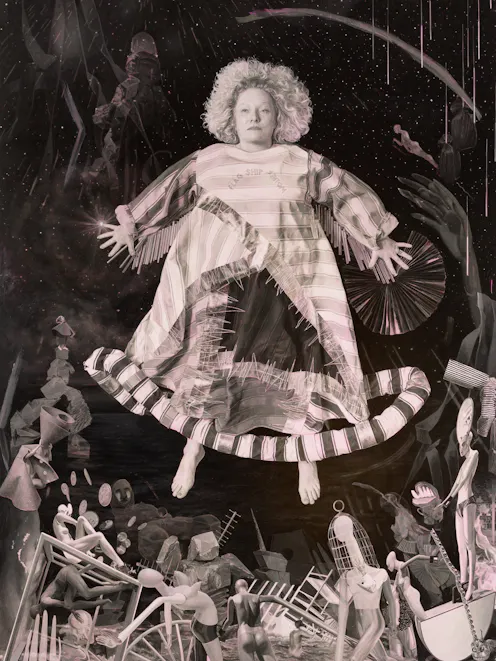
Justene Williams defined the universe in her art. Julie Fragar painted her doing this, and won the Archibald.
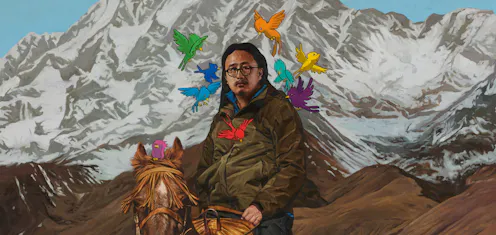
From Jason Phu’s portrait of Hugo Weaving, brimming with humour and energy, to Mostafa Azimitabar’s fierce portrait of Grace Tame, the 2025 winners are anyone’s guess.
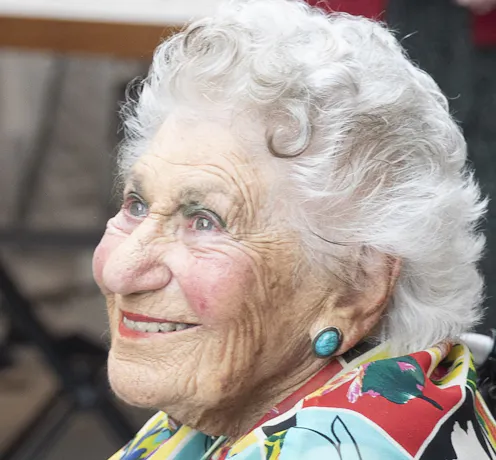
Ruth Faerber, a major innovator of printmaking in Sydney in the postwar years, was also a generous and perceptive art critic.
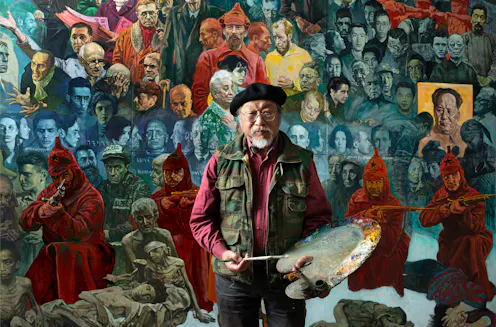
The evocative film charts Shen’s and his wife’s experience of life under the Mao regime – as well as communism’s influence on his work.

Leon Paroissien, who died last week, was one of the great enablers of Australian art. He imagined a better future, then made it happen.
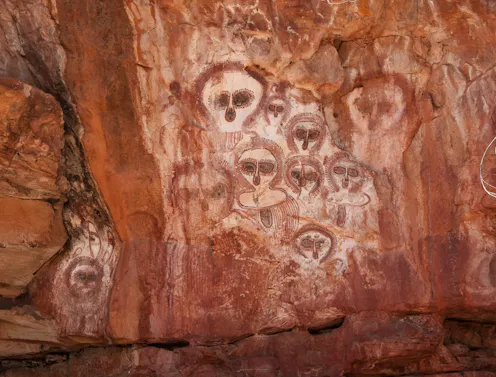
About 65,000 years ago, people started making art in the country we now call Australia. This is their story.
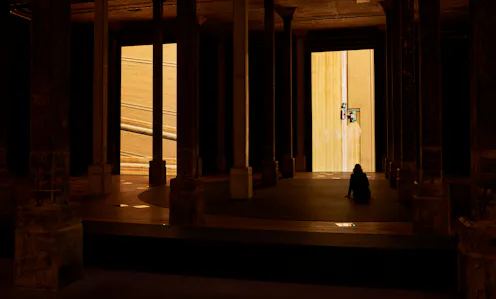
In The Rites of When, Angelica Mesiti considers the rituals that may mark the seasons in our burning planet. The Tank has been waiting for art like this.
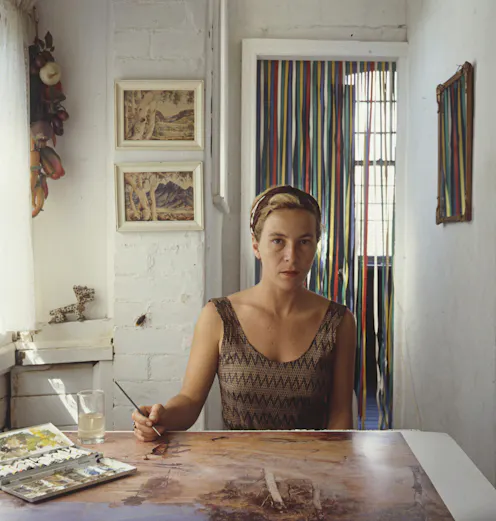
In 1986 the Australia Council paid for a young photographer to live for a year in Berlin. Anne Zahalka’s subsequent career shows this was money well spent.
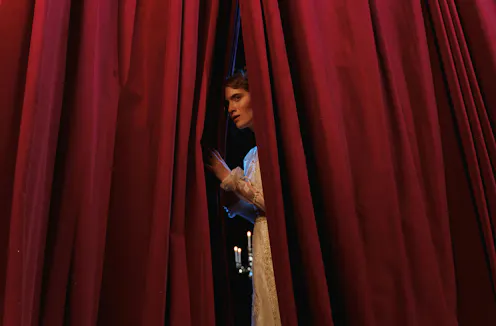
Kristina Ross was awarded the last Australian/Vogel Literary Award for her novel, First Year, a book that may – or may not – inspire students to attend drama school.
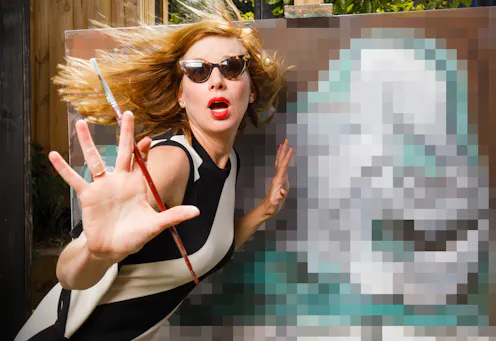
MONA has demonstrated the art of thumbing its nose at a humourless male establishment.
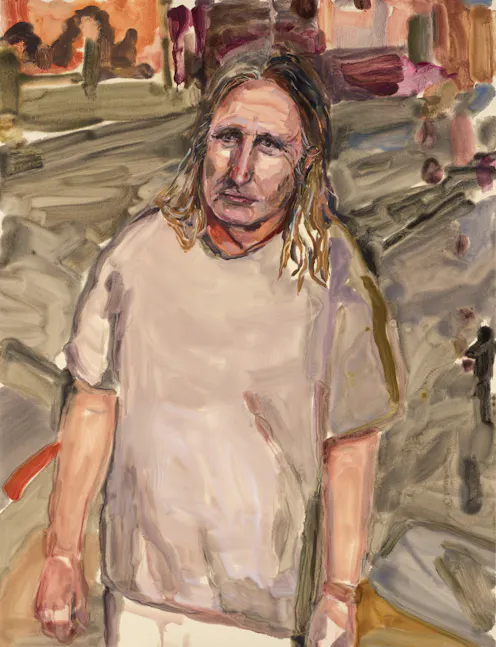
This year’s Archibald Prize-winning painting by Laura Jones is of an angst-ridden Tim Winton, contemplating the degradation of our planet
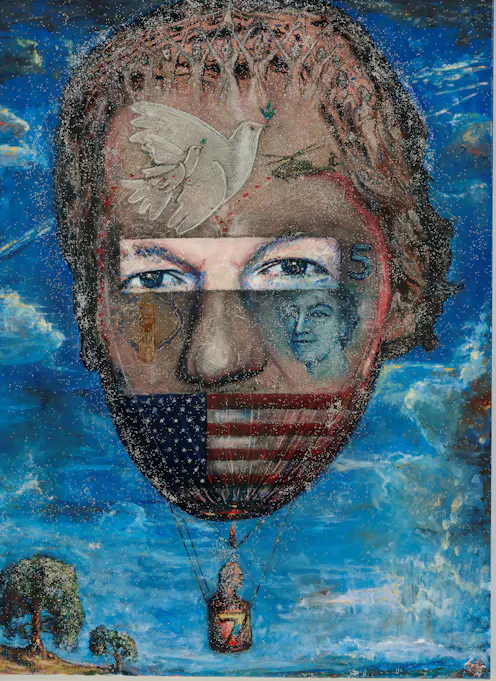
This year’s Archibald, Wynne and Sulman Prize exhibition is well worth a visit – something no self-respecting art critic would have said in the past.
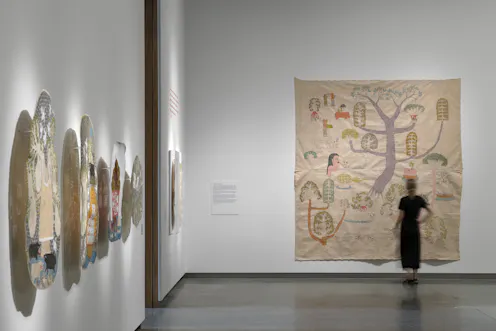
The three separate exhibitions that come together in Tales of Land & Sea, speak to ancient myths that still speak to humanity.
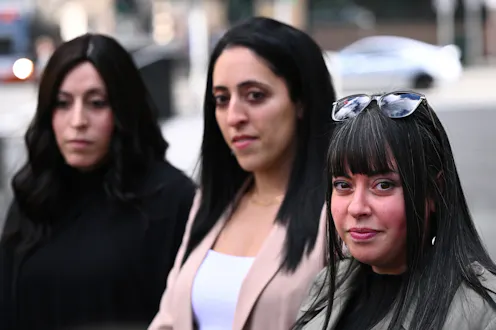
Dassi Erlich details the crime, the cover-up and her eventual victory in court against Malka Leifer, the former school principal who abused her.
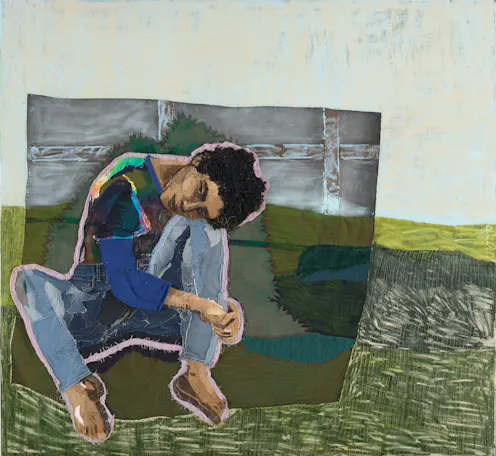
This year’s Archibald and Wynne Prize winners show that a new generation of artists have now entered the mainstream.
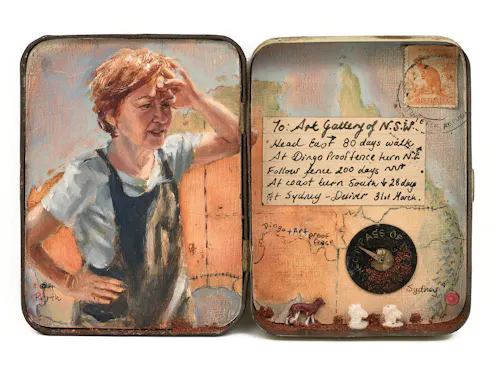
The Archibald Prize and the Royal Easter Show have a great deal in common. Both are enjoyed by the general public, but the entrants in the competitions are very serious about winning.
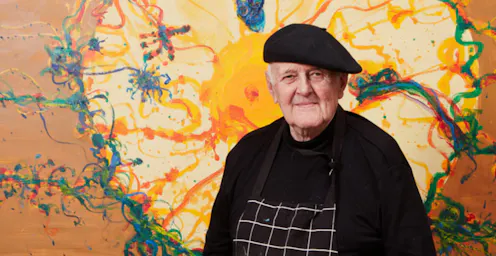
Some of the media response to the death of John Olsen has been to proclaim the late artist as a ‘genius’. He was more complex than that.
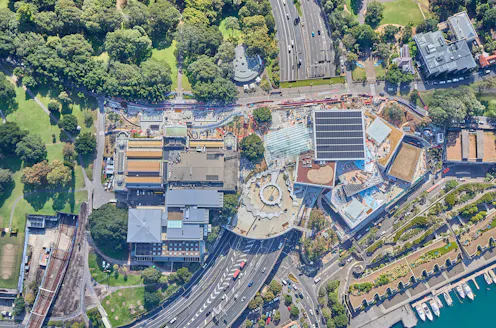
The ‘Sydney Modern expansion’ seems a fitting description of a building that effectively doubles the size of the Art Gallery of New South Wales.
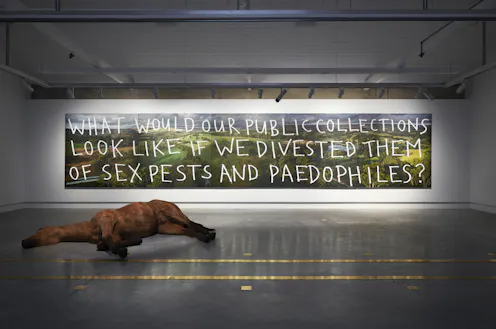
Land Abounds, created for Ngununggula in the heart of NSW’s Southern Highlands questions the comfort of the Australian landscape tradition
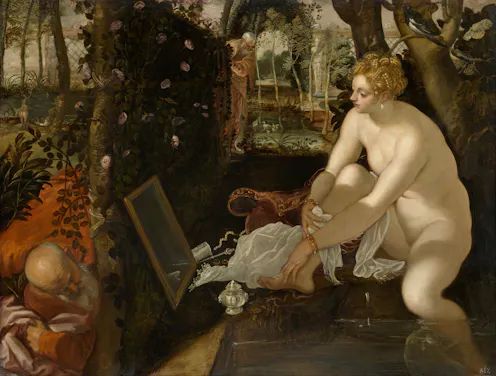
John Berger’s Ways of Seeing has been described as art history’s equivalent of Mao’s Little Red Book. It changed how we look at art.
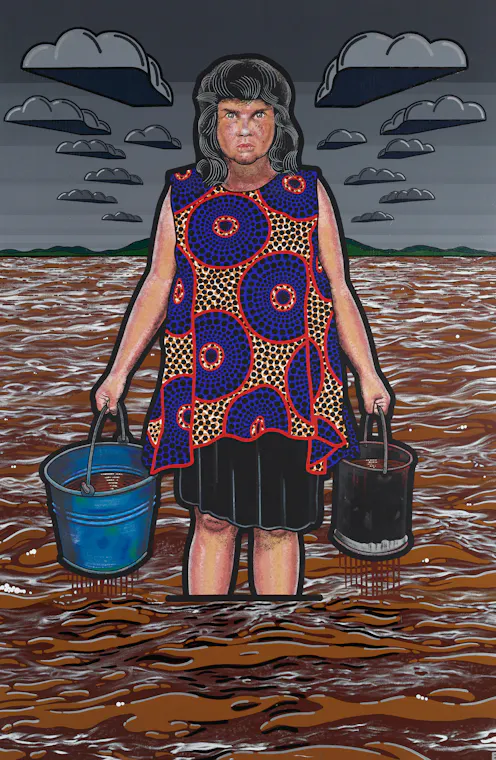
This year’s winning Archibald Prize portrait, Moby Dickens by Blak Douglas, encapsulates the justifiable rage felt by people living in flooded Bundjalung country
Contact Joanna for
- General
- Media request
- Speaking request
- Consulting / Advising
- Research collaboration
- Research supervision
What is this? Become a friend.
- Location: Sydney, Australia
- Website
- BlueSky: @oldlillipilli.bsky.social
- X (formerly Twitter): @oldlillipilli
- Article Feed
- ORCID
- Joined
