
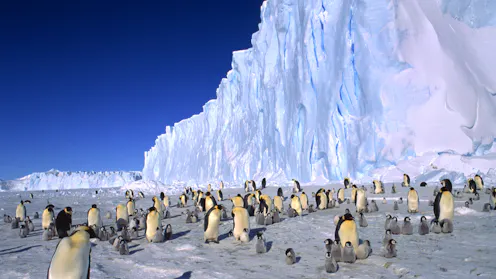
The vast ice of Antarctica has long seemed impregnable. But sudden changes are arriving – from shrinking sea ice to melting ice sheets and slowing ocean currents.
- Professor of Marine Biology and Aquaculture, James Cook University
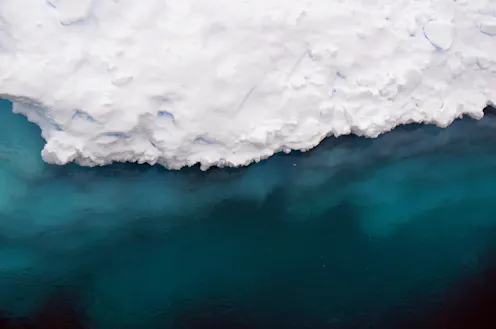
Did the enormous West Antarctic Ice Sheet collapse the last time global temperatures were 1.5°C above preindustrial levels? The answer lay in the DNA of an octopus.

The photographs show how climate change is disrupting our marine ecosystems – sometimes in ways previously unknown to marine scientists.
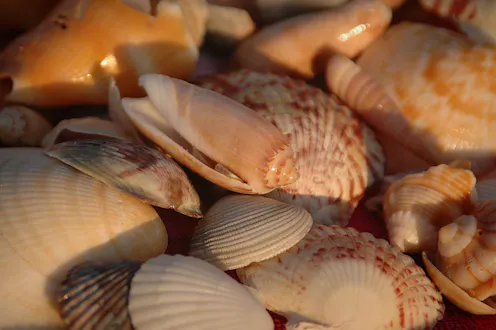
Maëlle, 7, wants to know why some shells are smooth, while others are corrugated. It turns out that while corrugated shells are strong, smooth shells can move fast.
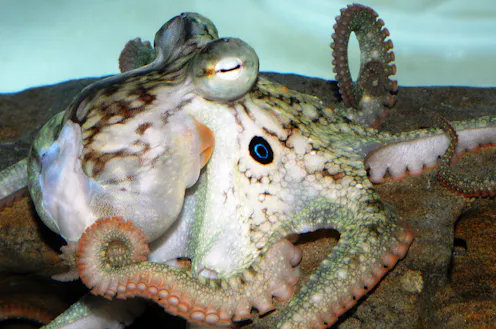
A peek inside the genome of the octopus gives some hints as to what makes it such a remarkable creature is so many ways.
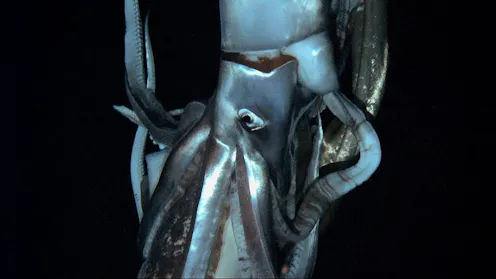
As many as 21 species of giant squid live and die under the surface of our oceans. At least, that’s what we thought. A paper published today by my colleagues and I in Proceedings of the Royal Society B…
Contact Jan for
- General
- Media request
- Speaking request
- Consulting / Advising
- Research collaboration
- Research supervision
- Location: Townsville, Australia
- Website
- BlueSky: @janstrugnell.bsky.social
- Article Feed
- ORCID
- Joined
