
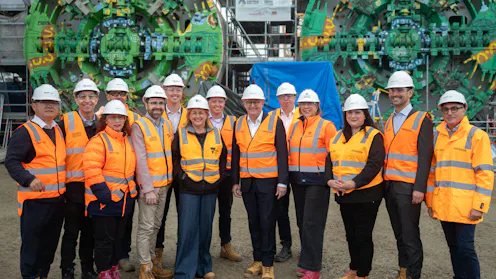
It is an unenviable position for a government to have potentially misallocated tens of billions of dollars to poorly selected infrastructure.
- Professor of Urban Policy and Director, Urban Futures Enabling Impact Platform, RMIT University
Is the government prepared to reduce speculation in housing in favour of returning to its social purpose?
Neither major party wants to change two longstanding concessions for property investors – negative gearing and the capital gains tax discount. We invited four experts to unpack who benefits, and how.
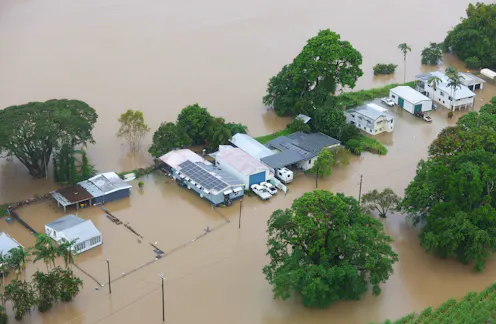
Too many homes will remain vulnerable to climate-related extreme weather events unless there is better coordinated housing policy and disaster management.

We want healthy, liveable cities and to cut emissions to net zero. Getting more people to use bicycles instead of cars will go a long way towards achieving these goals.
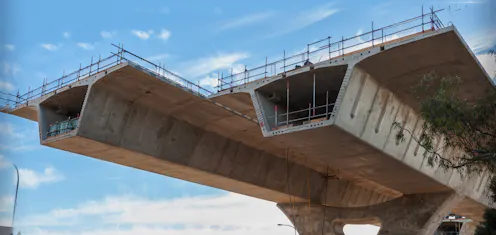
Until now we’ve paid lip service to rigorous assessment of big projects, and it’s hard to do more than that when they are inherently political.

The High Court has ruled the right to charge an electric vehicle tax rests with the Commonwealth despite the Constitution not mentioning cars or roads.
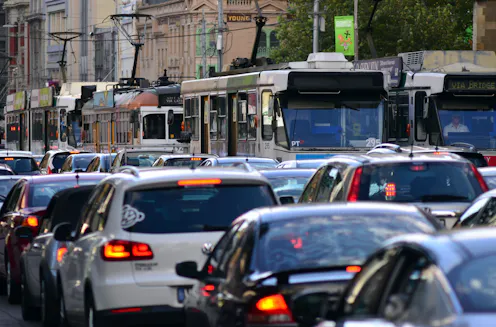
City planning needs up-to-date data on where people work, how they get to work and how far they travel. Normally the census provides that, but this time round our biggest cities were in lockdown.
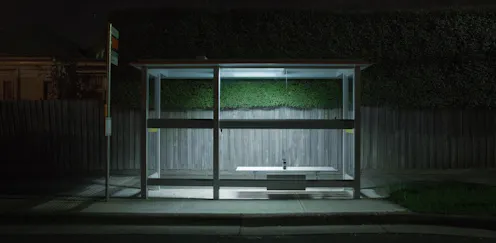
Free public transport risks worsening social inequalities, helping wealthier households who live in areas with good services while those in outer suburbs must still use cars.
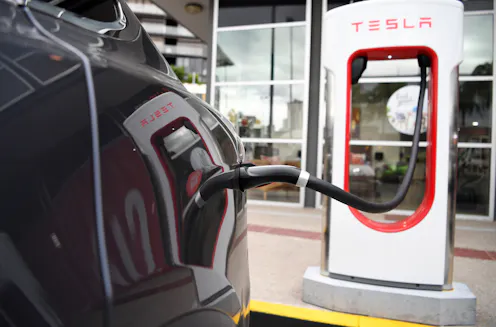
Electric vehicles would lower emissions, but if their lower running costs lead to increased car use that creates a whole lot of other costs for our cities.
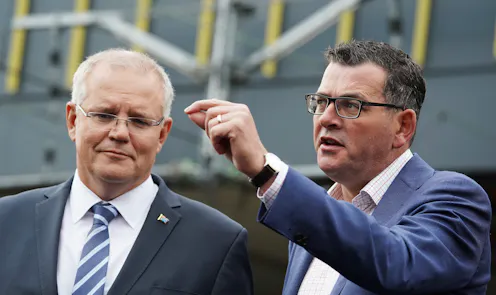
Unsolicited market proposals are not transparently assessed. Infrastructure should be built to serve the public interest, not shaped by its private backers, but the checks to ensure this are broken.

Future Earth Australia is working to create a long-term national plan of transformation for our cities. As part of this, everyone in Australia is invited to have their say in a survey.
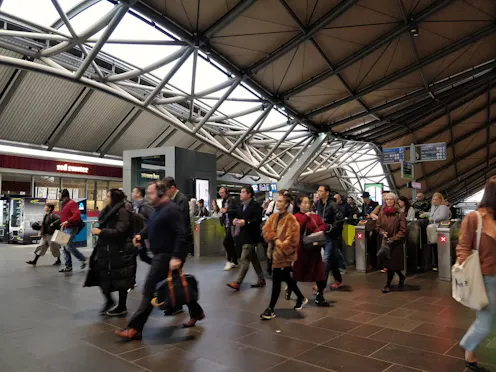
While governments focus on how to ease congestion and make affordable housing more accessible for workers in our biggest cities, fast rail could be a mixed blessing for regional cities.
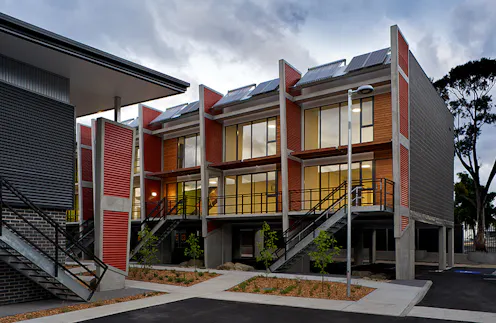
Australia needs to build 730,000 more social housing units in 20 years.

The first IPCC conference on cities has highlighted the challenges of reconciling science, urban practices and politics. But it was an important recognition of cities’ leading role in climate action.
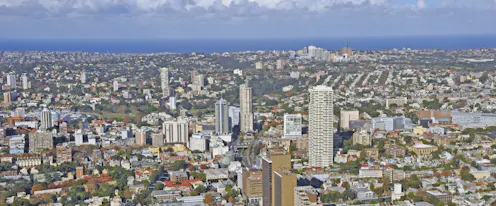
Scholars and planners have long pointed out the need in Australia’s big cities for democratic governance structures that operate at a citywide scale. Now Infrastructure Australia has weighed in.

Recent decisions to proceed with major road projects have not considered viable alternatives, despite this being a legal requirement.

Tree plantings are making a visible difference to Melbourne’s west. It’s the result of a collaborative model of greening, one that Australian cities need to apply more widely.
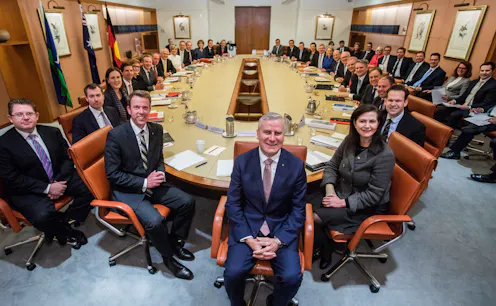
New research finds a state of confusion when it comes to Australian government policymaking on housing, despite its huge economic and social significance.

The trillions of dollars spent on infrastructure demands democratic transparency and accountability. This applies to both the investment and to the effects on cities, societies and the environment.
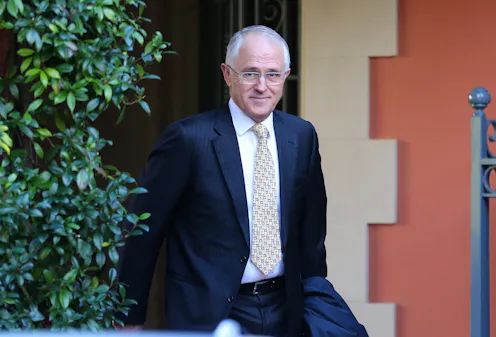
What’s in store for key policy areas, from health to education to infrastructure to asylum seekers, under a returned Coalition government?
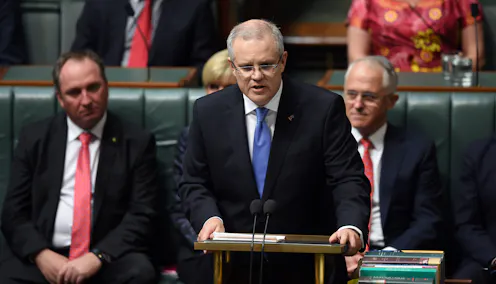
On reform, the 2016-17 budget is a holding one, with tinkering on the sides.

With the failures of past planning now apparent, the unruly threat of a damaged and depleting planet is ushering us toward a fourth era of urban restructuring. What might City v4.0 look like?

What if there was a middle option between retention and abolition that made negative gearing work better? There are multiple ways to improve accountability for this $8 billion-a-year tax concession.

For the first time, both major parties have a cities portfolio in their front bench team. With a few more changes, the government could create a structure that will really get to grips with urban issues.
Contact Jago for
- General
- Media request
- Speaking request
- Consulting / Advising
- Research collaboration
- Research supervision
- Location: Melbourne, Australia
- Website
- X (formerly Twitter): @urbanizationist
- Article Feed
- ORCID
- Joined
