

NDIS eligibility criteria isn’t tightening until January 2028, and no one is being moved off the scheme yet. So what’s actually changing?
- Professor, Public Service Research, UNSW

Dementia is now the leading cause of death, overtaking heart disease. The Conversation’s experts explain how Australians’ health has changed – both good and bad.

The government has introduced legislation that tightens key definitions and make it harder for participants to access the scheme.

Some participants will start to see changes from July. Here’s what to expect.

We finally have more detail on how Thriving Kids will work. But families of kids with autism and developmental delay may still be wary.

A new survey shows parents and carers have strong ideas about how a program for kids with disability could be designed.

Instead of collecting evidence and submitting reports, participants will have an interview with an assessor that lasts up to three hours.

With children over-represented on the NDIS, it’s hoped this new program could divert pressure from the scheme. Here’s what we know about it so far.

Researchers heard from students who described ‘being picked last for everything’, as well as teasing and physical pushing at school.

Some NDIS participants use all their funds before their plan clicks over, while others don’t use all of theirs. But will shorter funding periods address this?

Should GenAI be rapidly rolled out to improve public service policymaking and delivery? Or is a more cautious approach needed to rebuild trust after Robodebt?

As the government seeks to moderate growth of the scheme budget, some NDIS participants are finding they are no longer eligible for the scheme.

Factors like age, gender and where you live can make it more likely an applicant will be rejected.
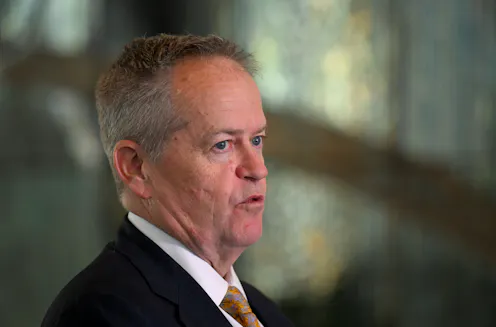
It’s been a long road, but the government has pushed through NDIS reforms – and lost a lot of political currency with the disability community in the process.

The taskforce advice on NDIS provider registration has been published at last. And now the public is being consulted on what should be covered under NDIS supports.

Washer-dryers and Thermomixers might not seem like disability supports at first glance. But excluding them from NDIS funding could limit the independence of people with disability.

Although the NDIS Review set out a five-year timeframe for reform, many of the items within this bill are needed to modify the NDIS Act and to allow for changes to take place.

If states and territories agreed to share the cost of foundational supports in December, why are they baulking now?

Currently, when someone turns 65 they are not eligible to apply for NDIS support, even if they had disability before then. We asked experts if that should change.

Education segregation could continue for Australia’s young people for at least another generation – and possibly longer – in light of the disability royal commission recommendations.

The new Quarterly Essay weaves personal history and detailed policy analysis, examining the unintended consequences of the NDIS, and how we can best realise the scheme’s original intent.

Many students with a disability are bullied, excluded and do not feel welcome in Australian schools. They cannot be ignored in the next National School Reform Agreement.

Intended to be a no-fault insurance scheme for Australians with severe and permanent disability, the NDIS has changed lives but also been the subject of controversy in its first decade.

The growing use of external consultants to do government work has led to a “hollowing out” of the public service.
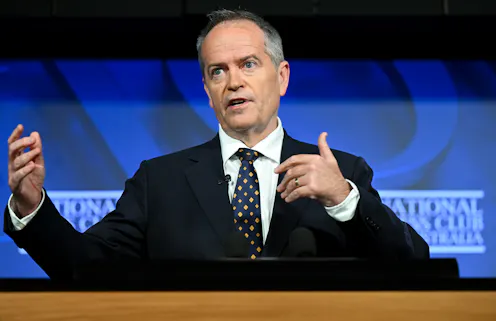
If people with disability can’t access the NDIS, they’re often left without any services or supports. This needs to change.
Contact Helen for
- General
- Media request
- Speaking request
- Consulting / Advising
- Research collaboration
- Research supervision
- Location: Canberra, Australia
- X (formerly Twitter): @drhdickinson
- Article Feed
- ORCID
- Joined
