
Treasurer Scott Morrison abandoned the proposed increase to the Medicare levy to pay for the NDIS. Here’s what you need to know about how the NDIS is funded, and how cost predictions have changed.
- Professor, Public Service Research, UNSW

The Jacqui Lambie Network plan is short on detail and unlikely to improve the health system or outcomes for Tasmanians over the longer term.
Withdrawing funding for hospital errors might reduce costs, but won’t remove the causes of errors.

A new productivity report has suggested automated dispensing machines could replace pharmacists.

The Productivity Commission has described the roll-out to the full scheme as “highly ambitious” and expresses concern it risks not being implemented as intended.

Health announcements in the federal budget include a slow lifting of the Medicare rebate freeze, money for new medicines, and an increase in the Medicare levy to fund the NDIS.

The NDIS roll-out has been criticised for many glitches, but that doesn’t mean the scheme is failing.

Highly engaged doctors do much better on a wide range of important measures, from clinical performance, financial management and safety indicators to patient experience and overall quality standards.
What’s in store for key policy areas, from health to education to infrastructure to asylum seekers, under a returned Coalition government?
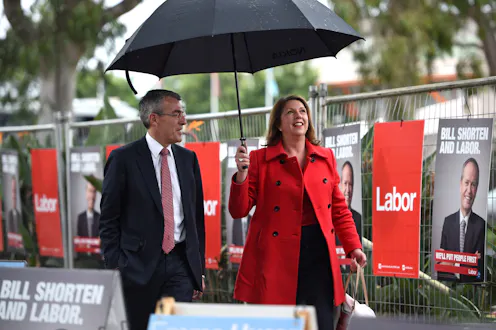
Labor’s shadow health minister Catherine King, said that the government has “cut bulk-billing payments for pathology and diagnostic imaging to make patients pay more”. Is that right?

Health is always a key factor in deciding which way to vote. So what have the major parties promised in health? And what could these changes mean for consumers?

Labor will lift the rebate freeze from 2017, while under the Coalition, GPs will be paid the same amount for delivering health services in 2020 as they were in 2014. So what does this mean for patients?
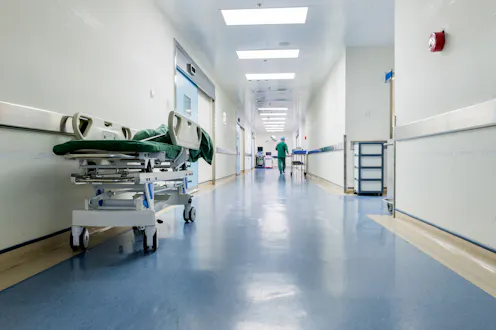
This is a steady-as-she goes budget, mostly just confirming pre-announcements with only the expected unpleasant decisions, such as the continuation of the Medicare rebate freeze.

Waiting for emergency care, specialist appointments and “elective” procedures is not only inconvenient and frustrating, it can also be painful and detrimental to your health and well-being.

Women are typically the dominant group within medical schools and yet remain under-represented in formal leadership positions and particular speciality areas.

Would politicians have the courage to stand up to backlash if people with disability use their care money to pay for overseas holidays, sex workers, internet dating, or tickets to sporting events?
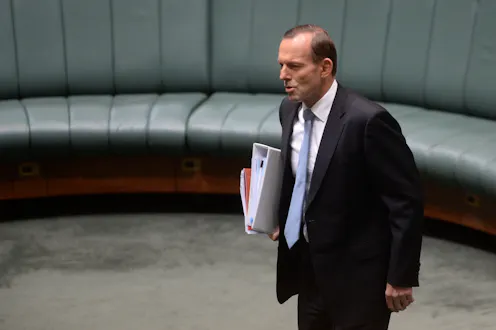
The 2014-15 federal budget, released by treasurer Joe Hockey earlier this week, set out a vision of government that is leaner, meaner and more efficient. It built on the Coalition’s “Smaller Government…
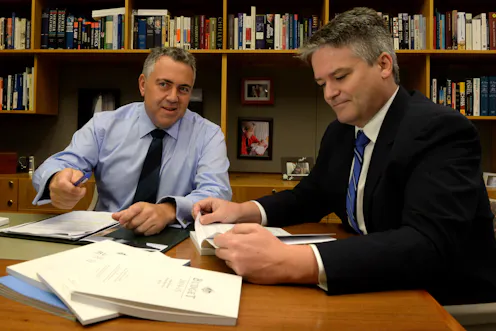
The Abbott government is hoping an A$11.6 billion infrastructure spending package, combined with a $20 billion medical research fund, will help soften the blow of widespread tightening of health and welfare…

The National Commission of Audit has made 86 recommendations with a focus on the federal government’s 15 biggest and fastest-growing areas of spending. The result is proposals for sweeping spending cuts…

The Federal Government’s Commission of Audit reports at the end of this month. Tasked with identifying where efficiency and productivity improvements may be made across all areas of Commonwealth expenditure…
Contact Helen for
- General
- Media request
- Speaking request
- Consulting / Advising
- Research collaboration
- Research supervision
- Location: Canberra, Australia
- X (formerly Twitter): @drhdickinson
- Article Feed
- ORCID
-
- Joined
