

Nowhere is safe from forever chemical pollution – not even the middle of the ocean. PFAS levels are on the rise in the world’s whales and dolphins.
- Senior Lecturer in Ecology and Biogeography, Node & Stream Leader for ARC Centre of Excellence for Indigenous and Environmental Histories and Futures, University of Technology Sydney
- Research scientist, Australian Museum
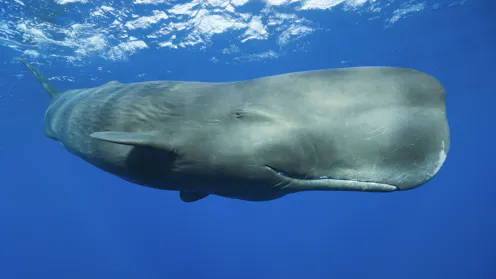
The sex and age of an animal turn out to be stronger predictors than habitat for higher PFAS levels, suggesting they accumulate over a lifetime.
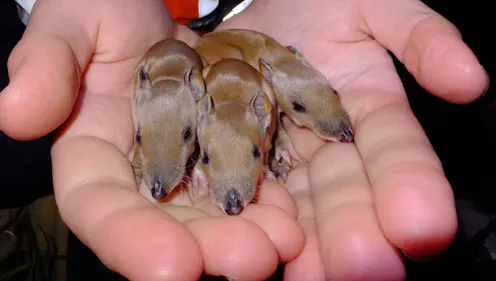
We’ve brought some species back from the brink – but more and more are being threatened. Here’s why
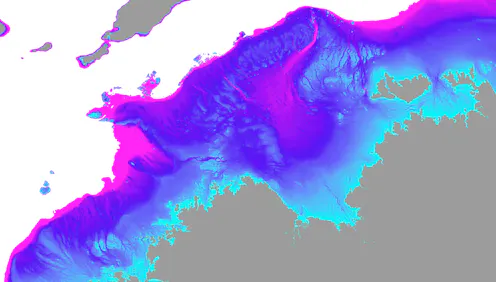
Our new study reveals a mosaic of habitable landscapes – now submerged by the ocean – once supported up to 500,000 people living in Australia’s northwest.
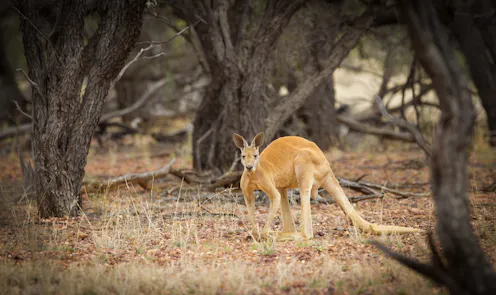
The merits of the dingo fence are hotly debated, and there have been calls to pull it down. We need a better understanding of how the mega-structure affects species that live along it.
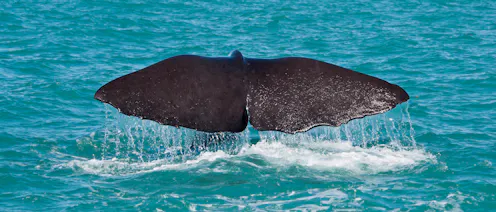
Sperm whales support ecotourism in Kaikōura and blue whales come to feed off the New Zealand coast – but both may become a rare sight as ocean temperatures continue to rise.
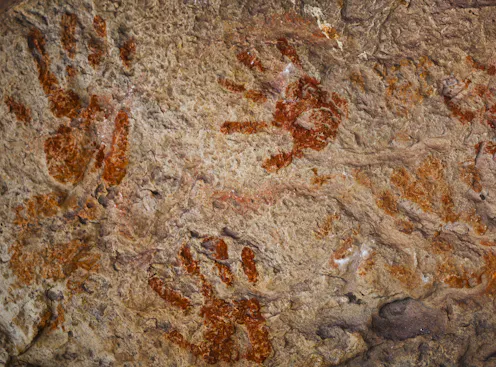
It took just 5,000 years for large and well-organised groups of people to populate all corners of the continent.
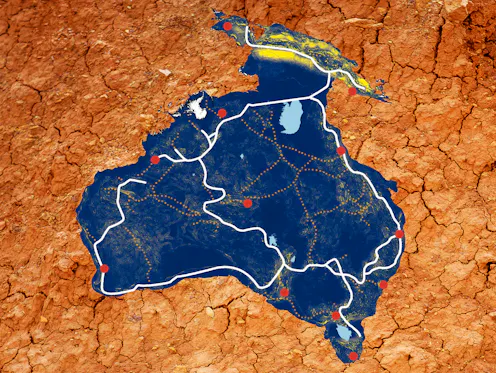
We now have a glimpse into where early Indigenous Australians likely travelled all those tens of thousands of years ago.
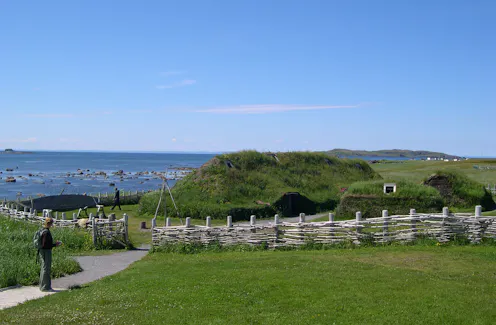
During the European Middle Ages, parts of the world experienced warming similar to that between 1960 to 1990. But the rising temperatures we’re observing now are global and exceed the past record.
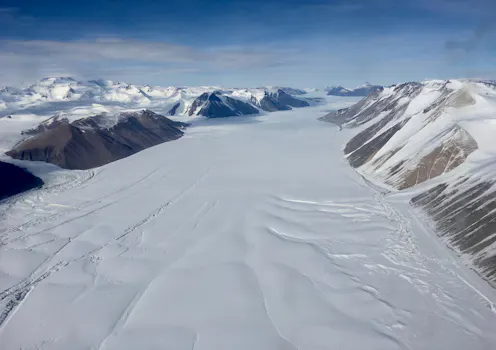
We have had to adapt to several changes to our climate since we started our migration out of Africa many thousands of years ago.
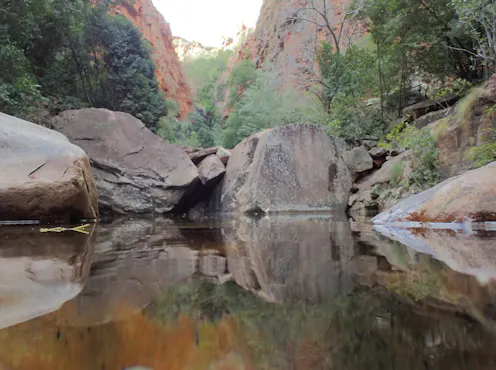
A drying climate and the arrival of people together finished off Australia’s megafauna.
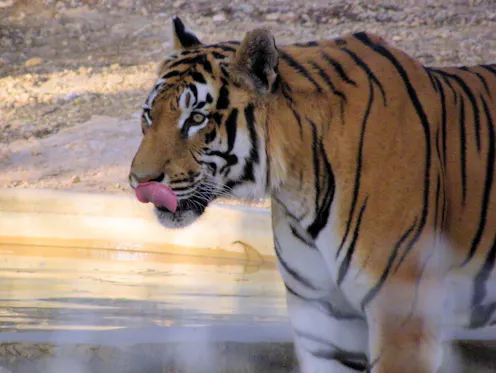
The Earth has experienced five periods of mass extinction. Scientists can’t quite be certain yet, but they’re fairly sure we’re now well into the sixth.
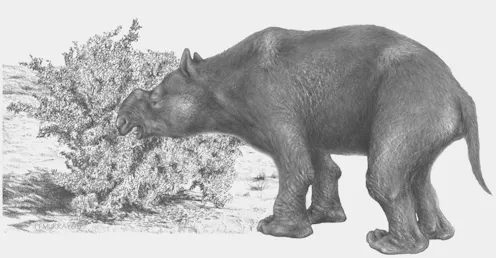
What killed off Australia’s giant wombats and other megafauna? New dating once again points the finger at human hunters, rather than abrupt changes to the climate.
Contact Frédérik for
- General
- Media request
- Speaking request
- Consulting / Advising
- Research collaboration
- Research supervision

