

Victorians who need donated eggs and sperm face limited choice, lengthy waits and high costs.
- Dean and Professor, Law School, La Trobe University

When can a donor be a legal parent? The latest High Court ruling doesn’t make it clear how much involvement a donor needs to have.

Who is a child’s legal parent? The question is at the heart of a case due before the High Court this year. It may have implications for children born via IVF or surrogacy, and the people who raise them.

Having a gender identity that does not match one’s sex on a birth certificate can cause confusion and embarrassment and potentially lead to discrimination.

Until now, Australia was the only country that required youth with gender dysphoria to seek approval from the Family Court for the second stage of hormone treatments.

Currently the Family Court has to decide for parents and teens whether or not transgender young people can get the hormone treatment they need. This could change today.

Tony Abbott has claimed that same-sex de facto couples already have the same rights as married couples. This is not true.

At age four treatment for gender dysphoria consists of counselling, and nothing irreversible.
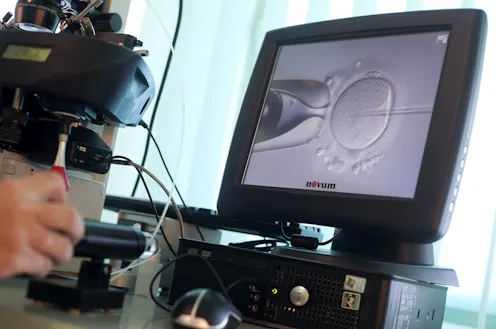
In a world first, Victoria plans to retrospectively open the records of formerly anonymous sperm donors to all donor-conceived people. A system of contact vetoes aims to manage the privacy concerns.

Thanks to IVF and donor conception, infertile couples, single women and lesbian couples now have a better chance of starting families. But while common, it’s rarely openly discussed.
Contact Fiona for
- General
- Media request
- Speaking request
- Consulting / Advising
- Research collaboration
- Research supervision
- Location: Melbourne, Australia
- Website
- Article Feed
- ORCID
- Joined
