
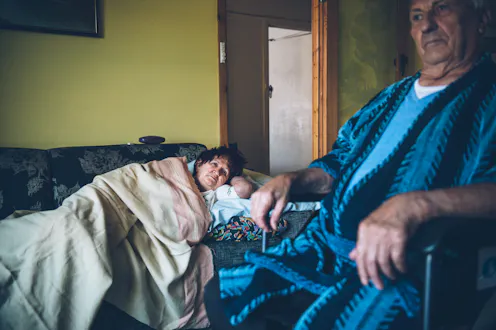
An ageing population is caught in a perfect storm of rising house prices and rents, falling home ownership rates, mortgage debt carried into retirement, insecure rentals and a lack of social housing.
- Associate Professor, Geography and Urban Studies, Western Sydney University

With close to 2.5 million people now living in apartments and a third of households renting their homes, there is a need for consistent, fair and pet-supportive housing policies across the country.
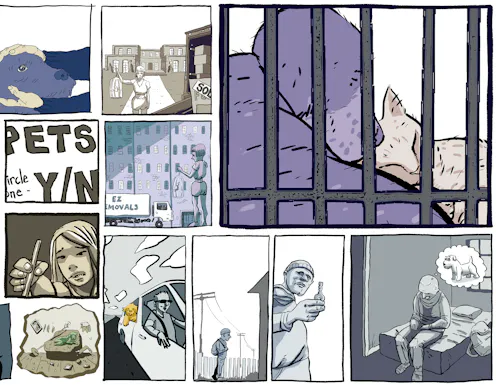
Trying to find housing can be a nightmare for pet owners, especially those who need it in a crisis. The inconsistencies from state to state and between different forms of housing demand reform.
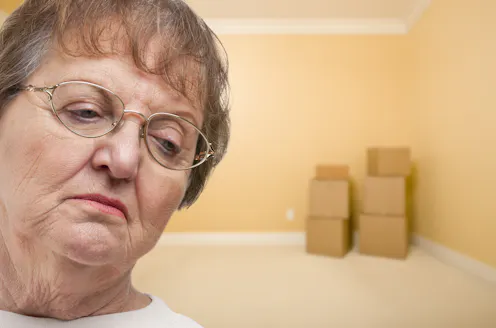
High rents and insecurity are constant sources of financial and emotional stress for low-income women. They describe what it’s like struggling to survive and being one step away from being homeless.

Housing is our first line of defence against coronavirus, so leaving someone homeless increases the risk for everyone. Australia should follow other countries in imposing a moratorium on evictions.

Air conditioning isn’t the answer for everyone, especially for residents of the less affluent – and often hotter – suburbs of our big cities. But there are other ways to make hot days more bearable.

The Morrison government, having added a housing minister to its ranks, needs to recognise housing as having more than just economic value. Its impact on our ability to give and receive care is critical.

Proposed changes to NSW rental tenancy law are an improvement, but do not end the excessive rent increases and “no grounds” evictions that put renters – and older women in particular – at risk.

Christmas can be a particularly hard time of year, and dogs are a vital support for many of the most vulnerable in our society.
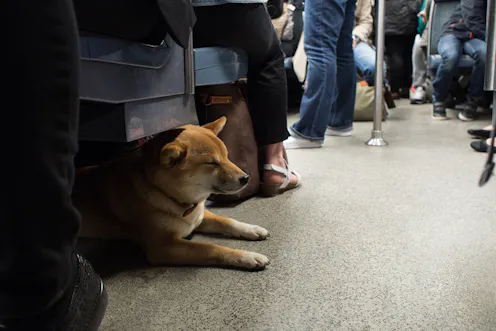
Why does Australia, a nation of pet lovers, not allow pets on public transport or guarantee tenants the right to keep a pet?

The promotion of home ownership as a way of funding care in later life is part of a broader policy trend toward making people individually responsible for the opportunities they have.
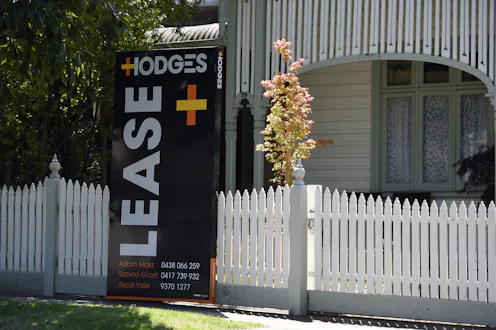
For the majority of Australia’s renters, housing will remain unaffordable, insecure, and out of reach following the 2017-18 federal budget.
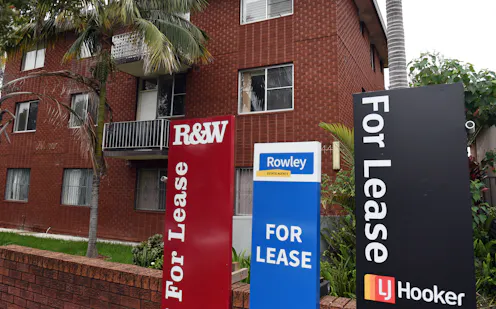
For renting to become a truly viable, long-term alternative to home ownership, greater rental affordability and security is needed.

We now value the house as a wealth builder, not just a place to live in and raise a family. The result is a distorted investment market that makes home ownership and rental unaffordable.

The community needs affordable housing and that requires meaningful targets for new developments. The only ones who will lose out are landholders who make windfall profits from rezoning.
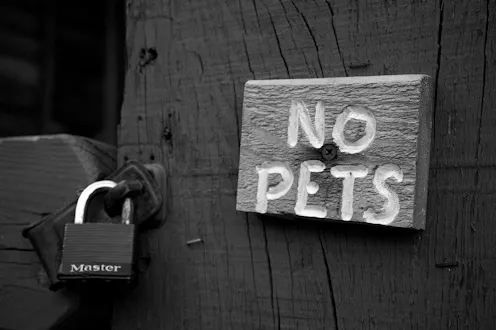
Landlords and property agents often apply ‘no pets’ rules even though many households see them as part of the family. Their difficulty in finding rental housing then becomes a source of great stress.
Healthy, engaged people and communities will be crucial for a prosperous future for New South Wales. Here are four areas of policy focus that will help achieve that.

With a majority of households having pets and growing numbers living in apartments, a review of regulations on keeping animals in such communities is timely.
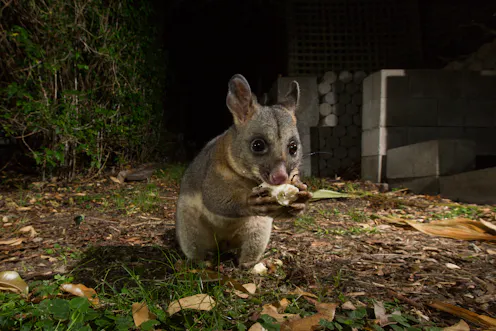
Grunting, growling, hissing, screeching: if your home is making these noises, you probably have possums.
Contact Emma for
- General
- Media request
- Speaking request
- Consulting / Advising
- Research collaboration
- Research supervision
- Location: Sydney, Australia
- Website
- X (formerly Twitter): @dremmapower
- Article Feed
- Joined
