

From almost 350 questions, nine experts answer the most common ones you asked.
- Associate Professor & Global Challenge Lead, Urban Transformations Research Centre, Western Sydney University
- Visiting Senior Scientist, Smart Structures, University of British Columbia

The federal government has softened its initial renewables-only stance.

As data centres have grown in size and number in Australia, they have also become the subject of fierce public debate. So what’s the best way forward?

Despite some pleasing announcements, the budget still leaves many Australian renters facing significant pressures.
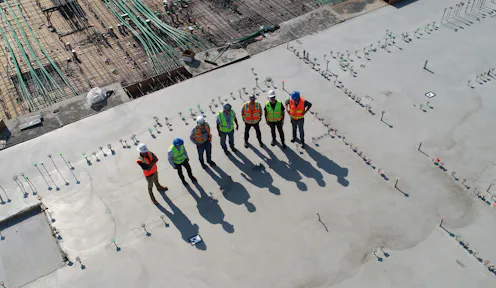
Essential infrastructure should serve local communities, not just the market.

Imagine walking into your local Bunnings and buying a tiny home. It’s now an option but will these pods help Australia’s housing crisis?
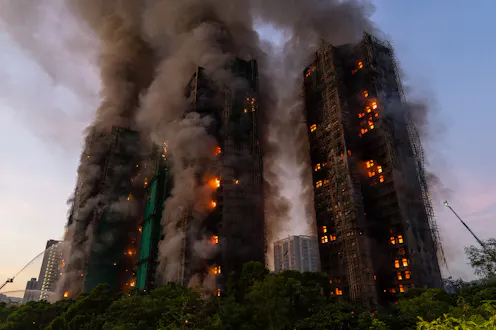
The answer is part history, part engineering and part economics.

Steel is an increasingly common material in Australian houses. But it’s also hugely emissions-intensive to make. Shifting to green production could help.

What if Canada could see the impact of wildfires, floods and traffic congestion before they happen?
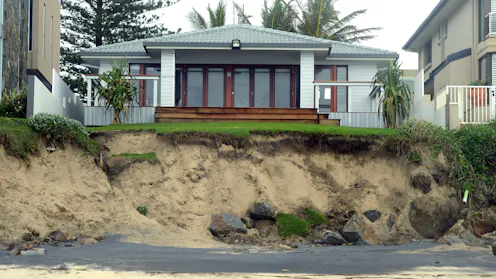
There’s more we can do to better protect our homes – including 1.5 million homes already in high or very high risk areas today.

One Australian survey found more than a third of private renters feel their housing situation is harming their mental health.

The California approach promises to keep home insurance prices stable, ensure coverage in high-risk areas, and make homes safer as climate change worsens.
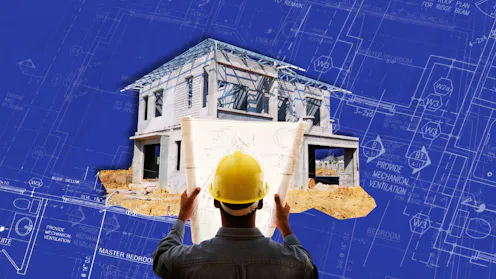
The aim of the pause is to give builders a stable rulebook, so more homes can be approved and built faster.
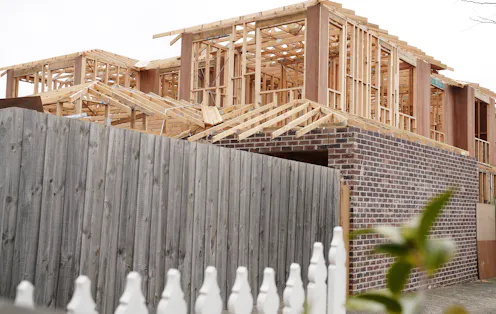
A new report offers a roadmap to a healthier housing system. But its recommendations will require bold action.
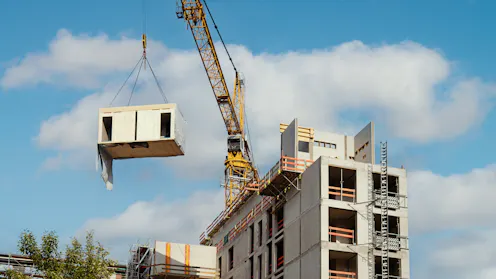
Modern methods of construction — such as modular and prefabricated housing — are a promising answer to the housing shortage problem.

Australia is running out of affordable, safe places to live – and climate change is getting worse. It makes sense to deal with both crises together.

There is a range of important reasons why home ownership remains elusive for many Australians. But there are solutions.

The federal government’s housing plan includes two headline measures aimed at boosting supply and helping buyers.
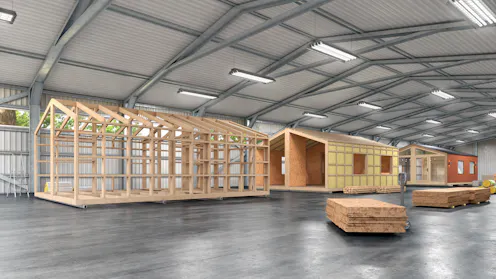
Australia’s car factories lie silent after the industry foundered. These factories could be used to help solve a huge problem: how to build more housing.

Addressing climate change involves many industries and sectors, including housing. Net-zero housing requires collaboration from all levels of government and the building sector.

Anthony Albanese’s decade-long vision for Australia’s cities has been brought to life. But there are some gaps.

Fixing Canada’s housing issues requires a multifaceted strategy beyond funding innovative construction technology. A holistic solution must include policy reforms.

There are hopes AI may be the silver bullet we need to save the environment – but it comes with downsides.

Financial institutions have a key role to play in funding green building construction and retrofits to cut energy use, running costs and emissions.

Modular building techniques offer sustainable, affordable and adaptable solutions for a rapidly changing world.
Contact Ehsan for
- General
- Media request
- Speaking request
- Consulting / Advising
- Research collaboration
- Research supervision
- Location: Australia & Canada
- Website
- X (formerly Twitter): @ehsan_noroozi
- Article Feed
- ORCID
- Joined

