
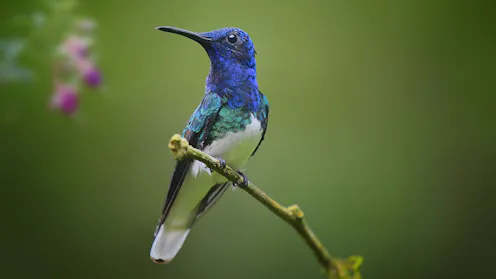
Scientists are discovering previously unknown species in unexpected places, according to a new study.
- Distinguished Professor of Ecology, Fenner School of Environment and Society, Australian National University
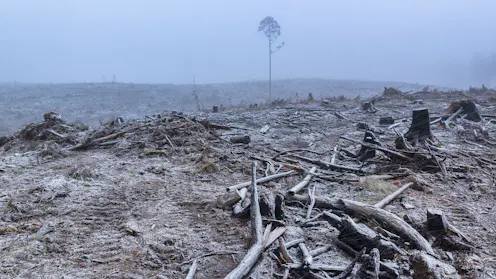
There’s no economic or environmental case for native logging. Yet taxpayer money is still being used to support it.
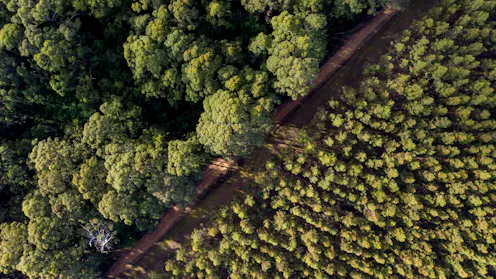
The science is clear: burning forest material for energy produces lots of carbon emissions.
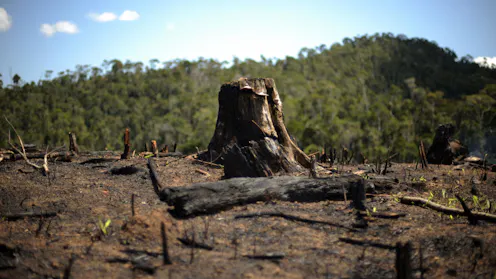
In the past 11 years, we’ve lost roughly 300 million hectares of forest. Three ecologists explain why our current conservation strategies aren’t working.
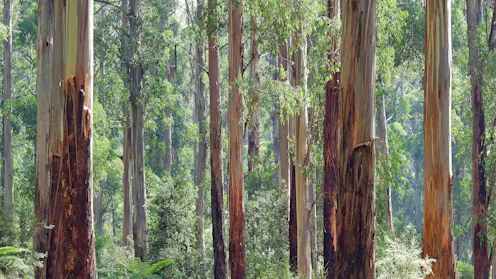
There’s a new plan to manage Victoria’s forests. But if it uses machines to ‘thin’ trees this could affect wildlife and increase bushfire risk.
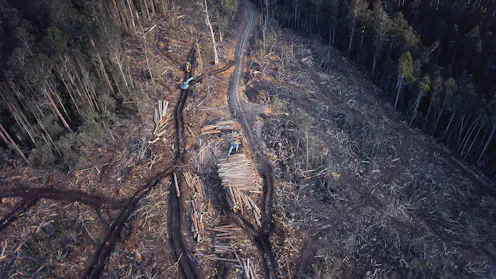
What do Australia’s new nature laws mean for native forests? The reforms closed a loophole that stopped legal scrutiny of logging. But we need the full detail.
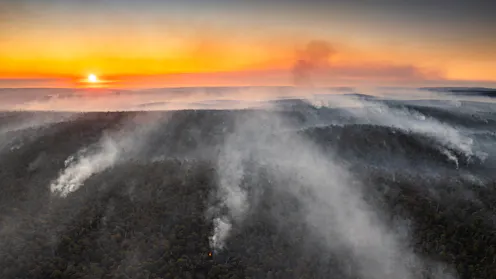
After devastating fires in 1939, authorities began burning forests to reduce fuel load. But we now know this creates conditions for even worse fires.
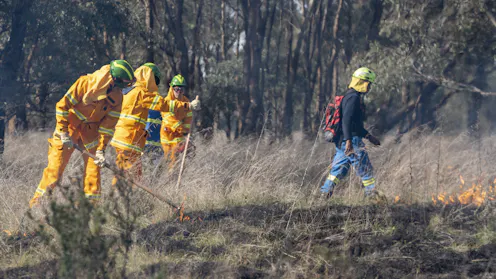
New research shows how Western science can support cultural burning to deliver benefits across cultures – as well as for nature.
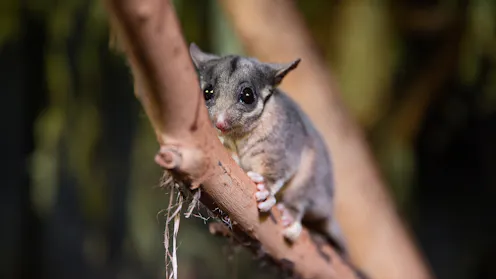
For decades, researchers have sought proof this critically endangered possum existed in New South Wales. Now it’s arrived by sheer chance
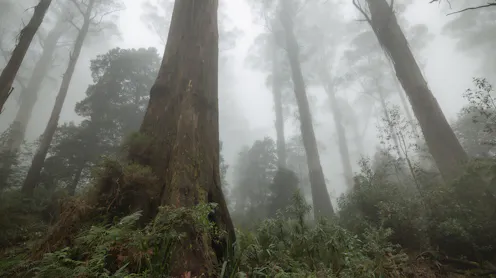
Forest logging records, satellite data, on-ground surveys and drone photography show nearly 20% of logged areas in Victoria failed to regenerate over the past 40 years.
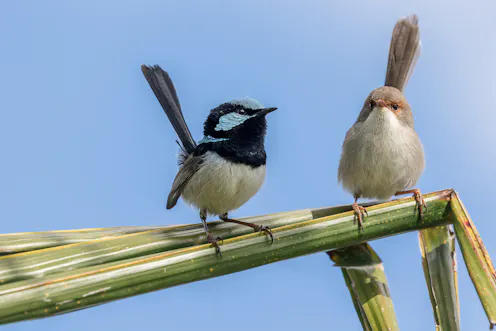
Wildlife monitoring is vital to arresting Australia’s extinction crisis. But research shows we may be getting false pictures of how species are faring.
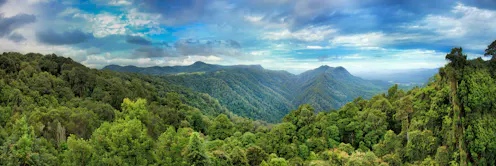
Australia cannot risk any further declines in its biodiversity resulting from harvesting native forests, or actions that bring further risks to its emissions-reduction goal.
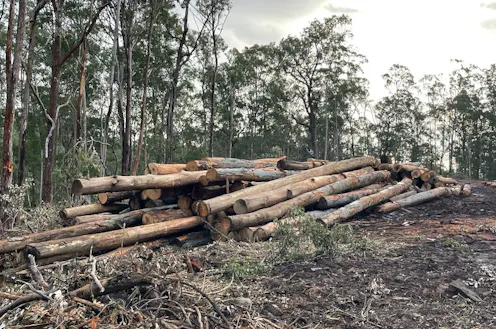
Shifting from native forest logging to sustainable plantations will help protect these essential forests and the many threatened species that depend on them.
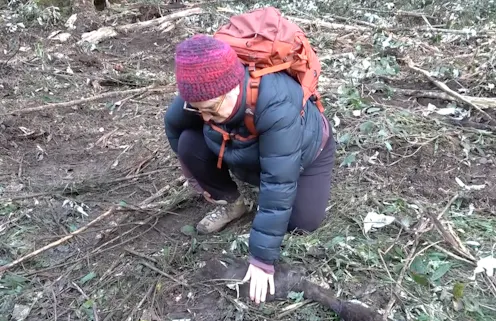
Native forest logging was meant to be over in Victoria. Why are the chainsaws still going?
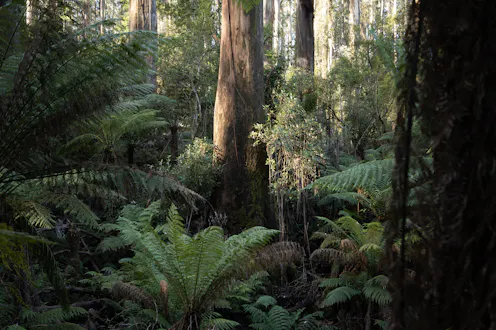
All the evidence – colonial accounts and records, First Peoples’ testimony and scientific data – points to the existence of widespread tall, dense forests 250 years ago.
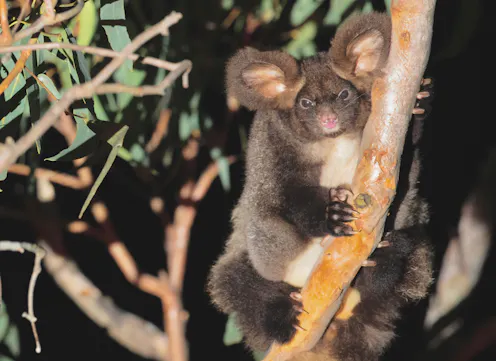
Australia has already lost so many wonderful mammal species. Do we want the southern greater glider to suffer the same fate?

Satellite data shows wildfires are destroying large areas of timber-producing forests around the world. These fires are becoming more destructive with each passing year.
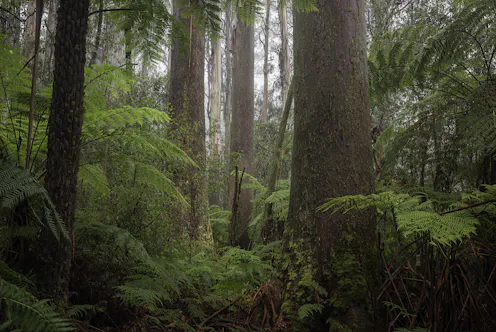
Victoria’s iconic mountain ash forests are reeling from decades of logging and fire. They’re not recovering on their own.
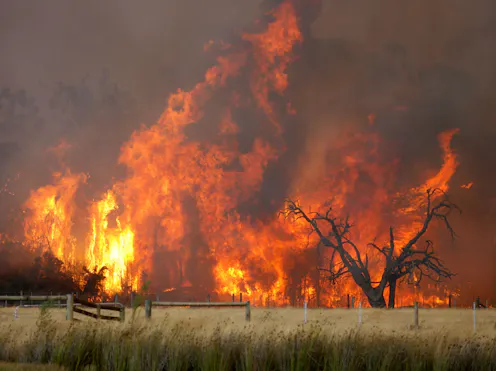
Fire frequency is increasing in all ecosystems studied. But in some places, fires were occurring so often it put entire ecosystems at risk of collapse.
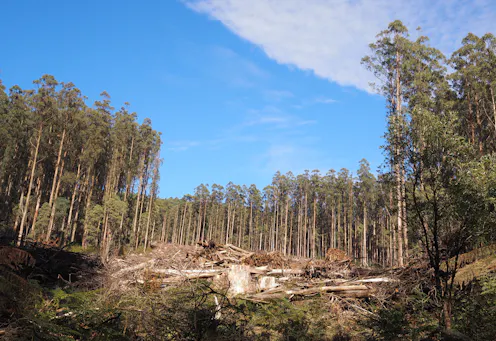
Now begins a long and difficult process to recover vast areas of forest after more than 50 years of destructive logging.
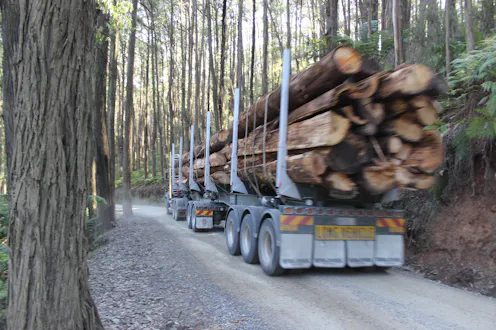
Victoria’s native forests will be free from logging by the end of the year. That’s big news for our threatened species and fragmented forests
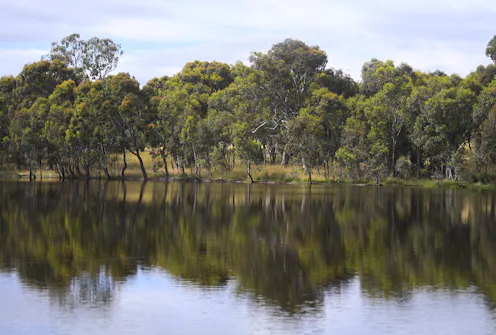
Reparing farm dams helps farmers – and nature. What if farmers could access loans for nature repair work – and only repay them when revenue is high?
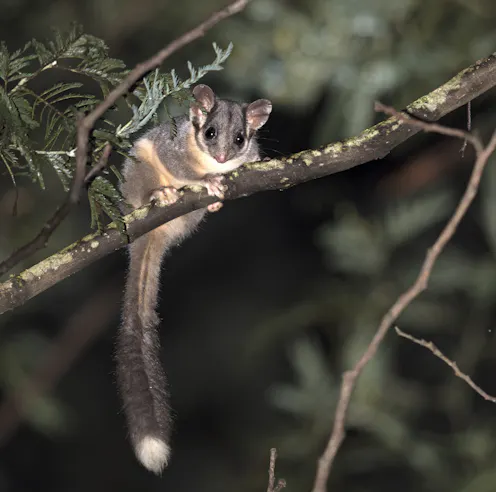
Victoria’s critically endangered Leadbeater’s possum is just hanging on, despite new plans and reserves aimed at protection. Plans to log some of its remaining habitat will not help
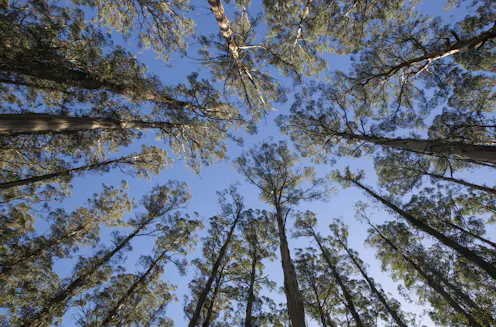
The mountain ash dominates as the tallest species of tree, but they did not win tree with the biggest girth.
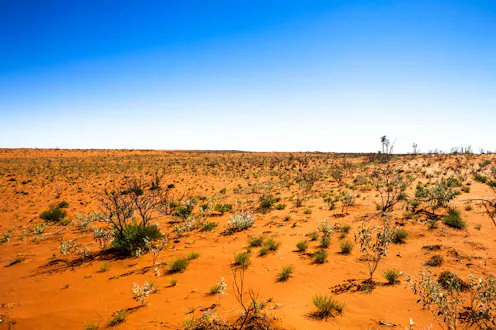
This fictitious project approval helps us better understand how environmental governance in Australia has gone badly wrong.
Contact David for
- General
- Media request
- Speaking request
- Consulting / Advising
- Research collaboration
- Research supervision
- Article Feed
- Joined
