
There are five priorities African countries must pursue to achieve vaccination success.
- Extraordinary Professor, Global Health, Stellenbosch University
- Honorary Professor, South African Medical Research Council
Different social realities lead to different forms of vaccine hesitancy.
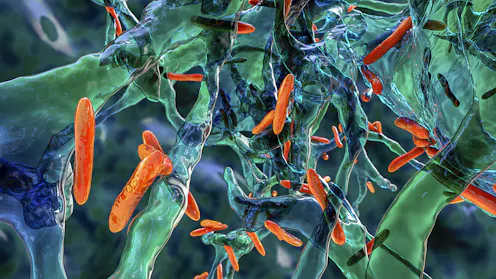
In 2021 10.6 million people developed TB and 1.6 million died from the disease. Now, for the first time in 100 years, there are promising signs of a vaccine breakthrough.

Over the last two years, routine immunisation services and coverage of essential childhood vaccines have been disrupted.
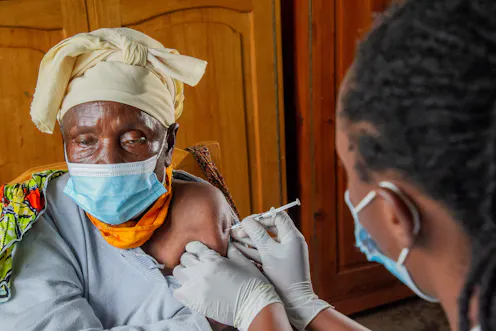
Rwanda has built a healthcare delivery system on primary healthcare with individuals and communities at the centre.

To attain a new health order, African governments need to bolster investment in research and development, innovation and manufacturing of health tools.

CC BY-NC-ND12.1 MB (download)
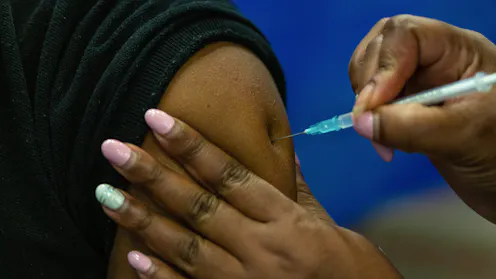
Vaccine hesitancy poses significant risks for those refusing to be vaccinated. The more people get vaccinated, the better the chances of living with the virus.
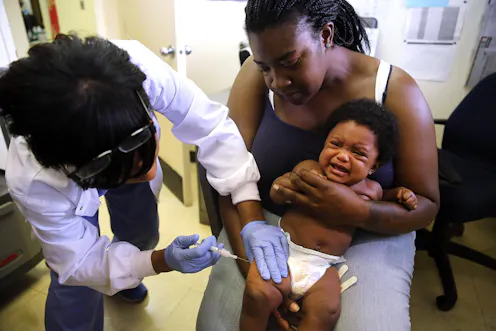
Vaccination uptake is influenced by many factors and carries a variety of meanings – social, political, economic, ideological, moral as well as biological.
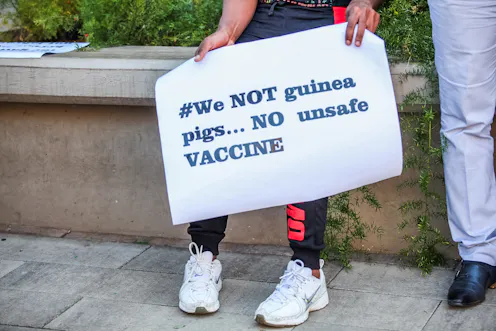
Vaccine hesitancy has resulted in multiple vaccine-preventable disease outbreaks. Research on vaccine hesitancy in South Africa is limited. But growing evidence suggests that it’s becoming a problem.
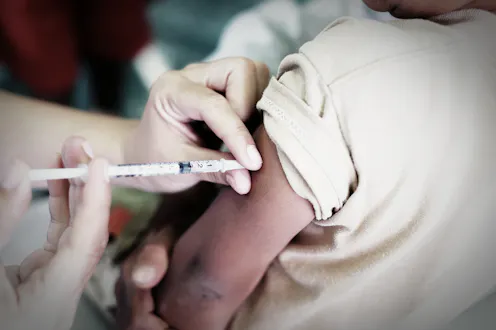
Hemos estudiado cómo la información que circula por internet puede afectar a la percepción y aceptación de las vacunas.
Combating social media disinformation regarding vaccines is critical to reversing the growth in vaccine hesitancy around the world.

The rapid rise in diabetes mustn’t be overlooked, as it could have devastating health and economic effects. Most national health systems are already struggling with infectious diseases.
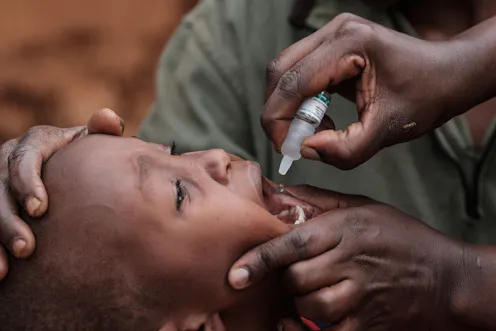
The polio eradication programme in Africa directly combated a severe debilitating disease. But it also provided a platform for broader healthcare services on the continent.
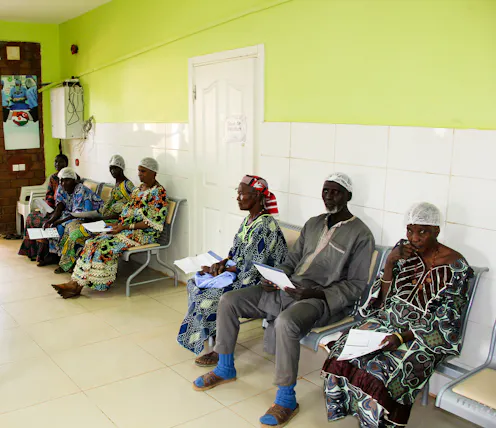
Data suggest that people are living many years in poor health in Africa.

The leading causes of death in sub-Saharan Africa for adults 15 to 49 years were AIDS, tuberculosis, malaria, maternal disorders, and road injuries.
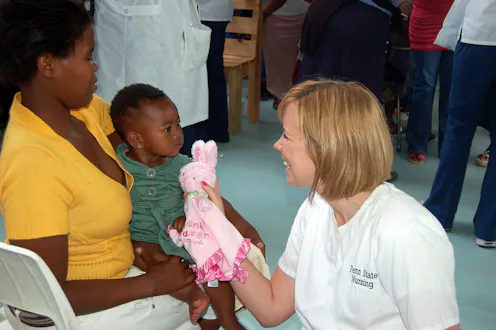
South Africa has become the first country on the continent to purchase a national licence to the Cochrane library – giving everyone access to evidence-based information about health care.
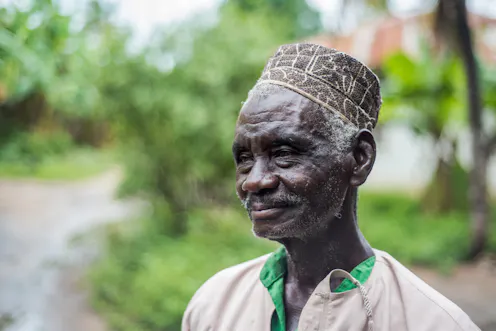
The burden of communicable disease is declining in Africa and life expectancy is increasing. But non-communicable diseases like diabetes, cardiovascular disease and cancer are wreaking havoc.
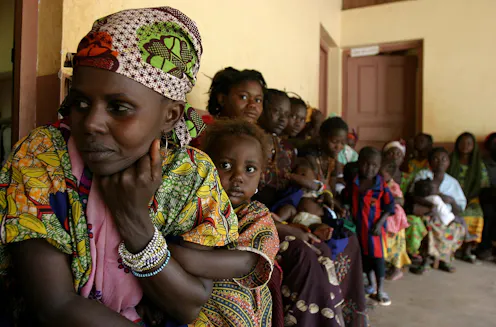
An index developed to gauge progress towards the sustainable development goals and their targets shows that nine of the world’s worst performing countries are in Africa.

Current epidemiological and financial trends suggest there’s a major risk of a substantial shortfall in the funds required to sustain life-saving antiretroviral programmes.
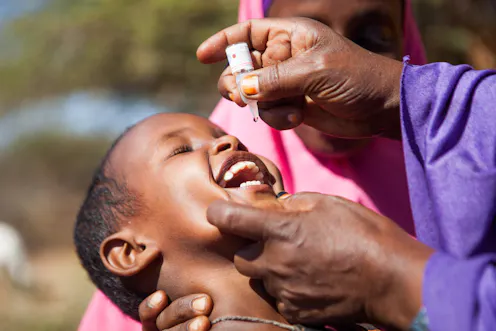
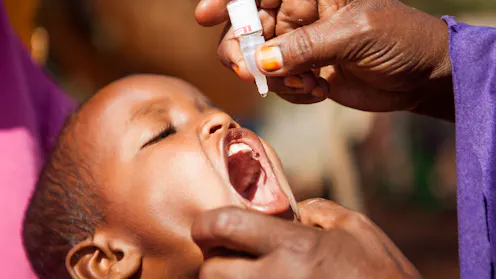
Every year hundreds of thousands of children die from vaccine-preventable diseases. Africa leaders could change this if they improved vaccination efforts.
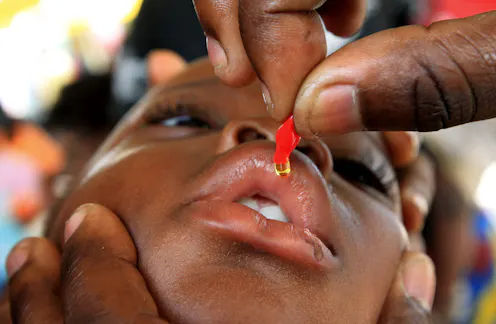
Despite the success of mass immunisation campaigns in Africa, the continent still lags behind in meeting global vaccination targets.
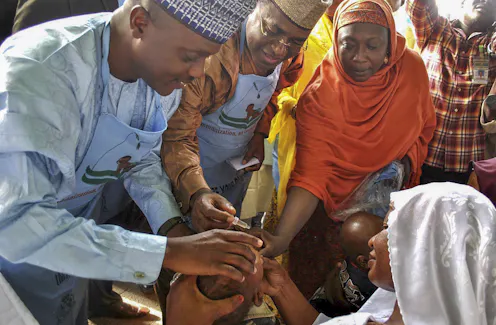
The positive impact of the polio eradication initiatives on the continent can be felt across the health sector in other health programmes.
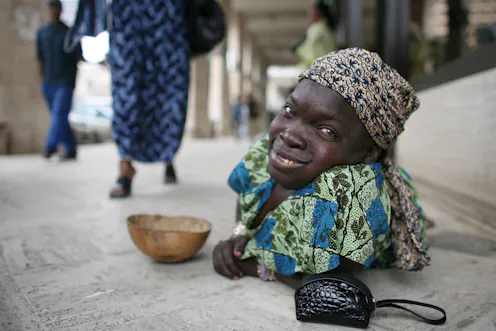
It’s been one year since the last polio case was reported in Africa. If the continent keeps this up, it could be declared polio free by 2018.
Contact Charles for
- General
- Media request
- Speaking request
- Consulting / Advising
- Research collaboration
- Research supervision

