

The tracks are the first to be found in Canada from this time period.
- Research Associate, African Centre for Coastal Palaeoscience, Nelson Mandela University

More fossil tracks of vertebrates have come to light on the South African coast, adding to the picture of an ancient plain full of wildlife.
Dinosaur tracks from the Cretaceous period have been found in South Africa for only the second time.
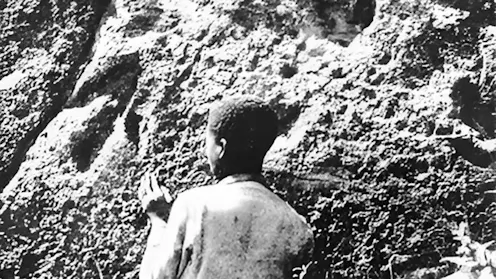
Long ago, people identified fossils in their environment and explained them within their own cultural framework. This was early citizen science.

These tracksites appear to contain the first recorded Pliocene vertebrate tracks described from southern Africa.
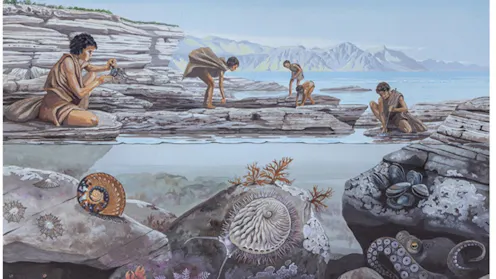
A coastal migration up and out of Africa was more likely to succeed than an overland journey.

The first hyrax fossil tracks and traces ever to be discovered were identified on South Africa’s coast.
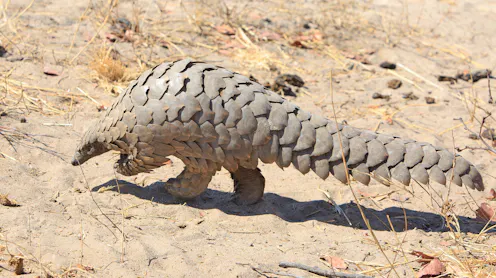
No fossilised pangolin tracks had been recorded anywhere in the world until a track was found in South Africa, dated to between 90,000 and 140,000 years ago.
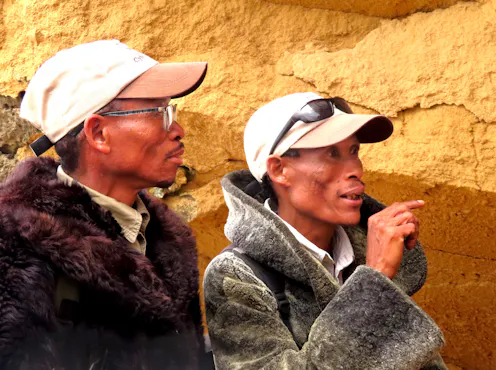
Animal trackers using traditional skills helped to find and identify fossil tracks on the coast of South Africa.
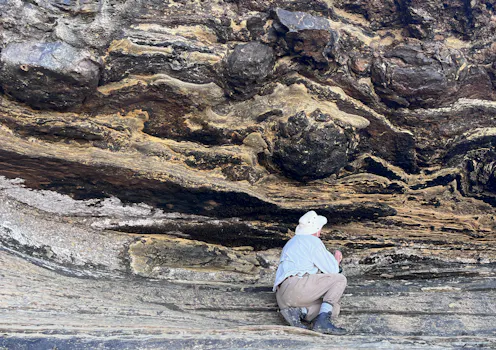
Dinosaur tracks were found in a rugged, remote coastal South African setting.
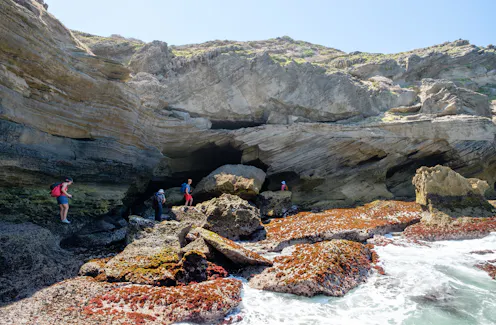
South Africa is home to some remarkable geoheritage.
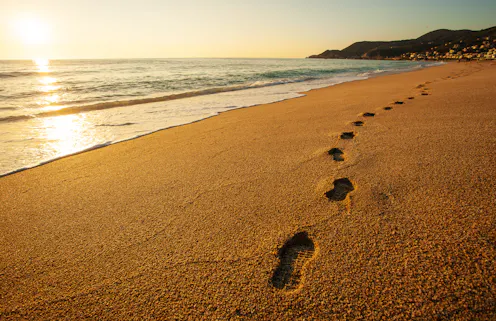
Tracks and traces from long ago are preserved in cemented dune surfaces.
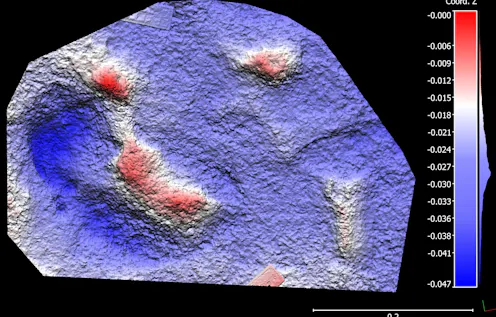
At a global level it is rare to find fossilised hominin tracks.
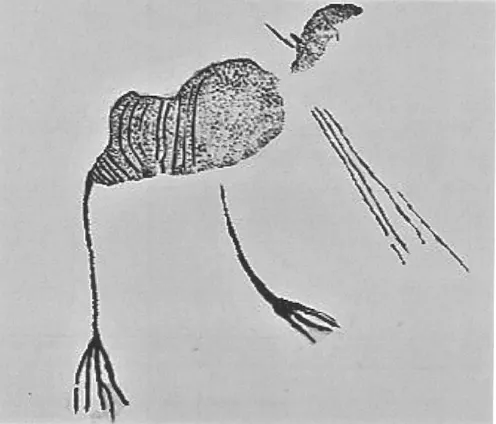
The image underscores the depth of indigenous knowledge exemplified by San people.
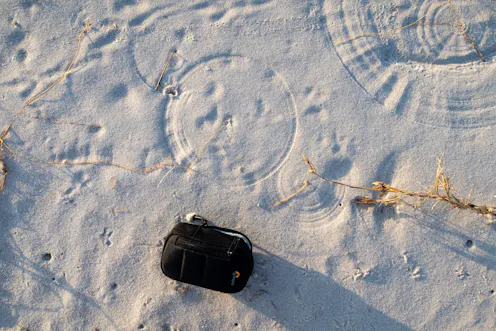
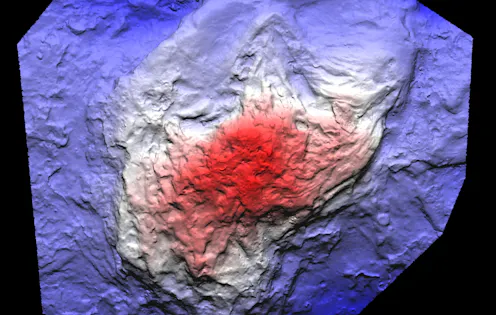
There appear to be two possible explanations for circular patterns with central depressions in Pleistocene deposits on the Cape coast.
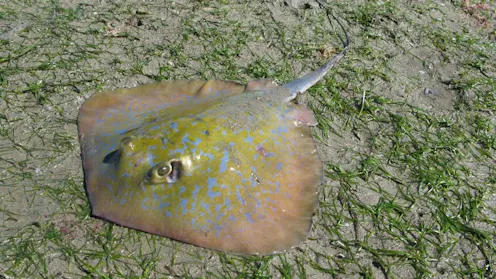
The sculpture might have begun with tracing a blue stingray specimen in the sand.
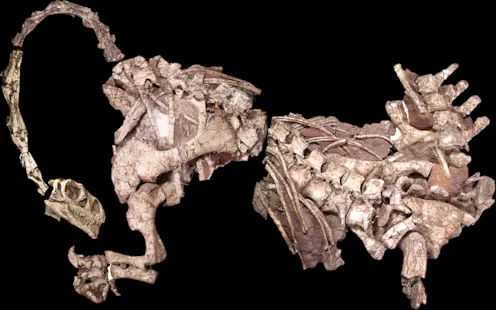
Some time between 1100 and 1700 AD, a Massospondylus bone was discovered and carried to a rock shelter in Lesotho.
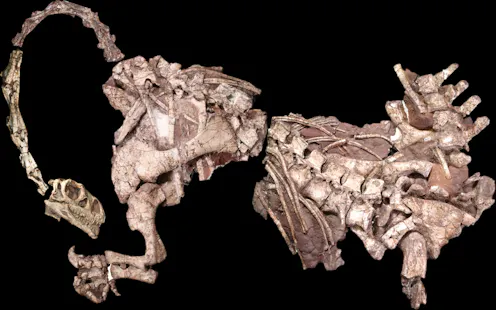
Some time between 1100 and 1700 AD, a Massospondylus bone was discovered and carried to a rock shelter in Lesotho.
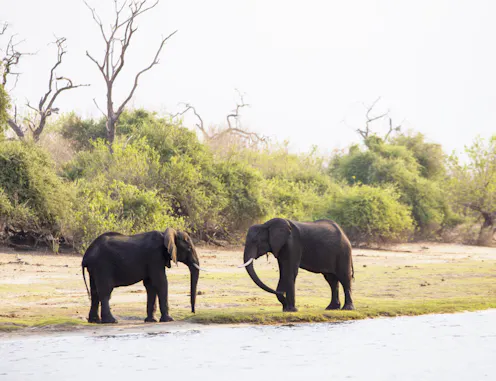
Elephants can be viewed as geological engineers that create minor tectonic forces on the substrate they walk on.
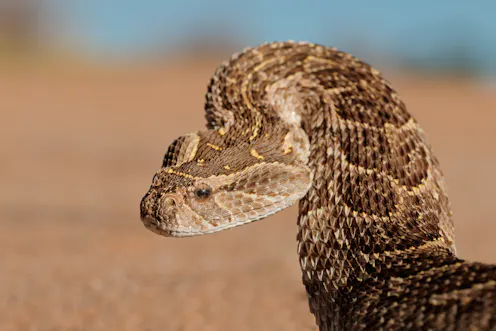
The trace was probably made between 93,000 and 83,000 years ago, almost certainly by a puff adder.

Trackway findings support the notion of southern Africa being one region where human cognitive and practical ability developed a very long time ago.
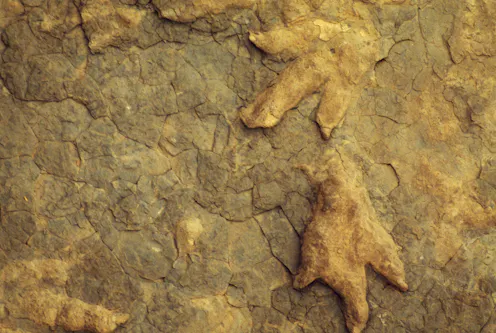
Some footprints last thousands or even millions of years, preserved in sand that turned to rock.

Ammoglyphs – ancient ‘sand art’ – are a relatively new find.

This was an area in which early anatomically modern humans survived, evolved and thrived, before spreading out of Africa to other continents.

It hasn’t been clear how common the species was on the Cape south coast because its body fossils are predominantly from southern Africa’s west coast.
Contact Charles for
- General
- Media request
- Speaking request
- Consulting / Advising
- Research collaboration
- Location: Gqeberha, South Africa
- Article Feed
- ORCID
- Joined
