

The tracks are the first to be found in Canada from this time period.
Nelson Mandela University

Nelson Mandela University, as a dynamic African University, is committed to excellence and innovation, and fostering a pioneering and inventive spirit among our students and scholars. It is a University that acts as a social laboratory for experimentation, innovation and creativity to find answers to epic challenges facing society and the economy today.
NMU recently established and launched a number of research hubs such as the Centre for Broadband Communication to conduct pioneering research around optical fibre data transport for the Square Kilometre Array radio telescope; an innovation hub to support small business in Port Elizabeth and beyond; a Centre for African Palaeoscience; and a Research Chair in Earth Systems Science. More exciting is the development currently underway of a range of new maritime and marine education and training, research, innovation and engagement programmes to support South Africa and the continent’s blue economy initiatives.
Links
Articles
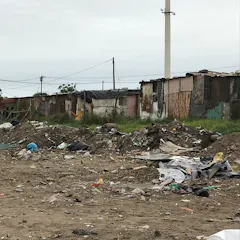
For many isiXhosa-speaking residents, disaster warnings arrive too late, or in language that is difficult to understand.
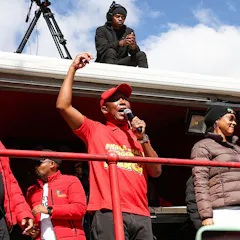
Julius Malema’s skills at building a party and running a tight ship have been bolstered by his charisma and speech-making capability.

More fossil tracks of vertebrates have come to light on the South African coast, adding to the picture of an ancient plain full of wildlife.
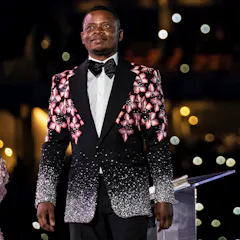
‘Prophetpreneurship’ is a strategic blend of prophecy, charisma and business.
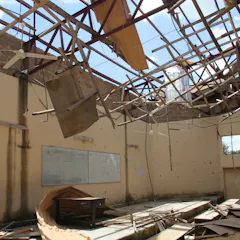
International scholarships make up most of the foreign aid to higher education in conflict-affected countries.
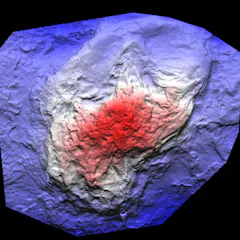
Dinosaur tracks from the Cretaceous period have been found in South Africa for only the second time.
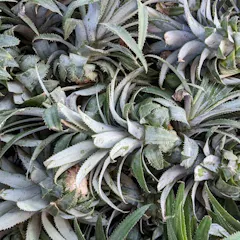
Les feuilles d'ananas jetées peuvent désormais être transformées en une solution écologique pour nettoyer les eaux polluées et pour la science médico-légale.

In South Africa, discarded pineapple leaves can now be turned into a low-cost, eco-friendly solution for both cleaning polluted water and forensics.

Long ago, people identified fossils in their environment and explained them within their own cultural framework. This was early citizen science.

These tracksites appear to contain the first recorded Pliocene vertebrate tracks described from southern Africa.
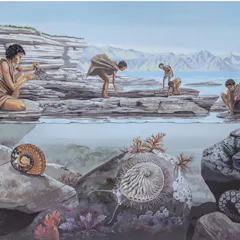
A coastal migration up and out of Africa was more likely to succeed than an overland journey.

The first hyrax fossil tracks and traces ever to be discovered were identified on South Africa’s coast.
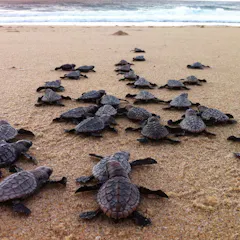
Little is known about the early life of sea turtle hatchlings but a modelling study shows the importance of ocean currents in their journeys.
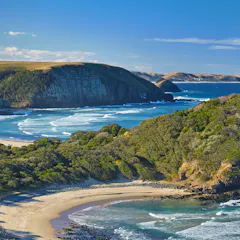
Millions of jobs could be created from sustainable economic ocean development.
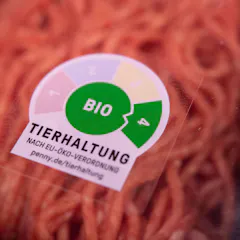
South African labels on food to show they’ve been produced in environmentally friendly ways are confusing and unhelpful.
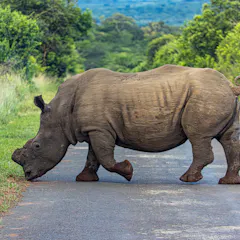
A new Kruger National Park study has conclusively found that dehorning rhino can save most from poachers, but some will still be killed for their stumps.

South Africa’s agricultural extension advisors need to start training farmers to grow nutritious indigenous crops that have been largely forgotten.
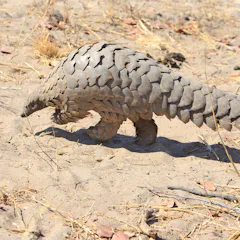
No fossilised pangolin tracks had been recorded anywhere in the world until a track was found in South Africa, dated to between 90,000 and 140,000 years ago.
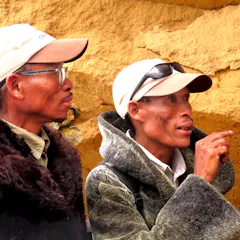
Animal trackers using traditional skills helped to find and identify fossil tracks on the coast of South Africa.
Authors
-

Research Assistant, Media and Communication, Nelson Mandela University
-
Senior lecturer in Languages and Literature, Nelson Mandela University
-
Research fellow, Nelson Mandela University
-
Research Associate, African Centre for Coastal Palaeoscience, Nelson Mandela University
-
Postdoctoral fellow, Nelson Mandela University
-
Senior Lecturer and head of the Department of Media and Communication, Nelson Mandela University
-
Senior Research Fellow, Nelson Mandela University
-
Professor, Department of Business Management, Nelson Mandela University
-
Lecturer, Nelson Mandela University
-
Research Director: South African International Maritime Institute (SAIMI), Nelson Mandela University
-
Lecturer, Nelson Mandela University
-
Research fellow, Department of Geography, Archaeology & Environmental Studies, University of the Witwatersrand; Research Associate, African Centre for Coastal Palaeoscience, Nelson Mandela University
-
Researcher, Nelson Mandela University
-
Lecturer in Business Management, Nelson Mandela University
-
Research Associate, African Centre for Coastal Palaeoscience, Nelson Mandela University