
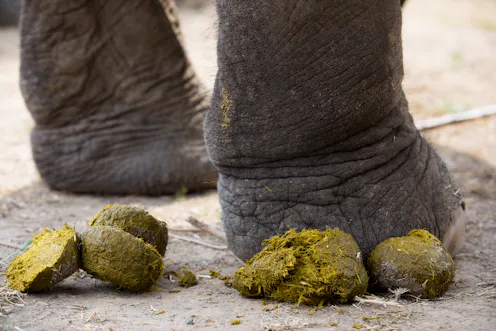
Studying fossil dung offers another avenue for scientists trying to recreate ancient landscapes.
- Research Associate, African Centre for Coastal Palaeoscience, Nelson Mandela University
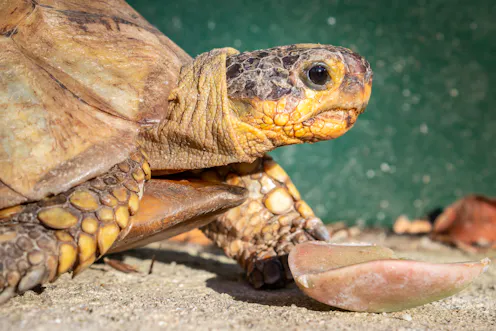
Track marks are a way to fill in the blanks that sometimes exist in the body fossil record.

Without intervention, the rock may have been destroyed by high tides and storm surges.
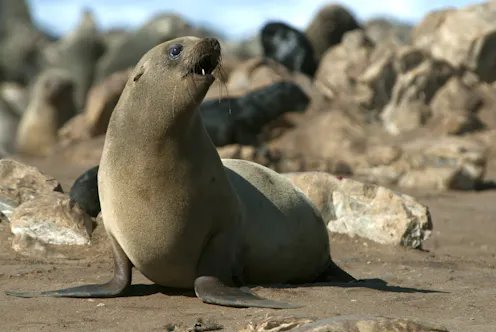
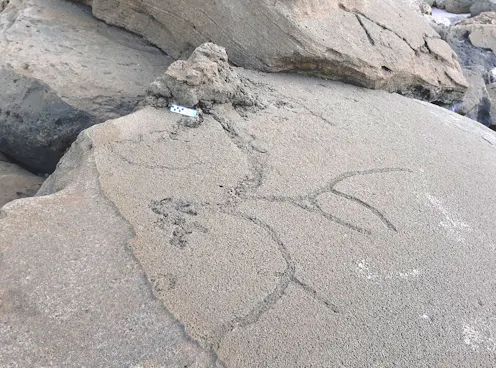
The fossilised seal traces date back about 75,000 years.
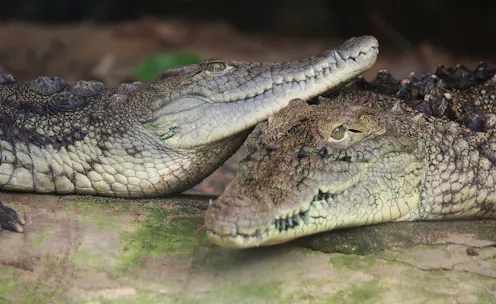
While crocodiles are not native to Canada, fossil traces have been found in northern British Columbia that indicate that during the Cretaceous Period, giant crocodiles roamed.
There is something near-miraculous in the concept of tiny creatures, weighing just grams, making tracks and traces so long ago, that are now evident in rock.
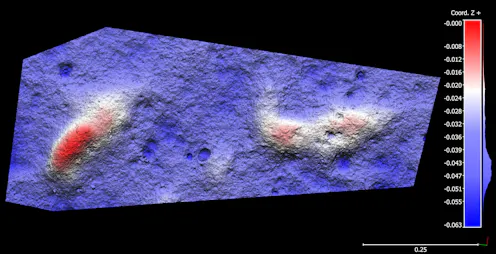
Human tracks registered in aeolianites - cemented dune surfaces - are rare at a global level.
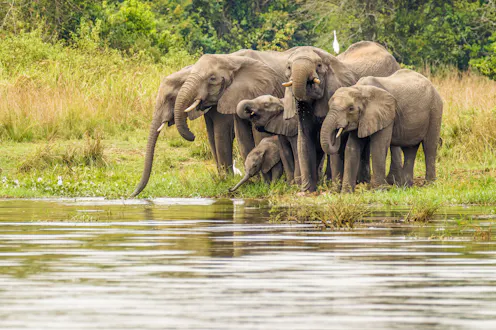
There are no body fossils of elephants from this time period, so the available information of how these gigantic animals moved through the ancient landscapes depends entirely on the track record.

It appears that the South African Cape south coast’s dunes and beaches formed a vast canvas of sand on which our ancestors could leave their mark.

These surfaces are of profound scientific, cultural, heritage, environmental, and aesthetic importance. Unfortunately, they are threatened - by graffiti.

These ancient surfaces, which often preserve the tracks in remarkable detail, are now amenable to inspection and interpretation.

One avian track, probably made by a large gull or a small goose, was found in sediments that have been dated to about 400,000 years. That makes it the oldest avian track reported from southern Africa.

While crocodylian fossil swim traces have been described from other continents, to the best of our knowledge the examples we describe are the first such reptilian swim traces from Africa.

Given that we know humans moved across these landscapes, we wondered whether there might also be evidence of other forms of human activity on these surfaces of sand.
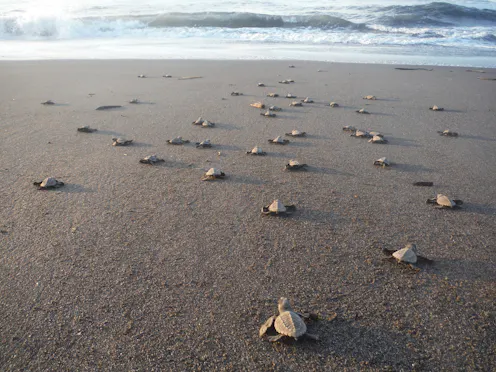
These trackways preserve an incredibly brief moment in time. More importantly, they tell us about ancient climates, and how turtle breeding ranges have changed over the millenia
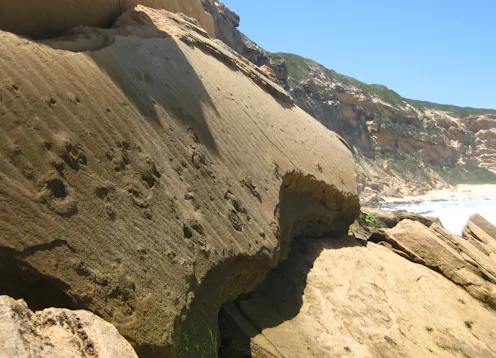
Trackways made by vertebrates during the Pleistocene era, dating back to between 36 000 and 140 000 years helps with research into ancient animals.
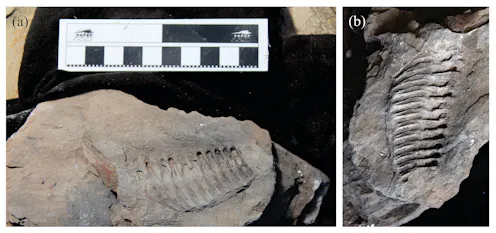
Geomythology can be a powerful way to inspire more people on the continent to become interested in Africa’s palaeoscience.
Contact Charles for
- General
- Media request
- Speaking request
- Consulting / Advising
- Research collaboration
- Location: Gqeberha, South Africa
- Article Feed
- ORCID
- Joined
