
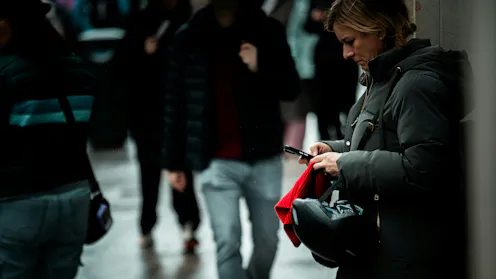
While setting up new revenue streams for struggling newsrooms is a welcome move, the laws themselves are far from perfect.
- Adjunct Associate Professor of Communication, University of Canberra
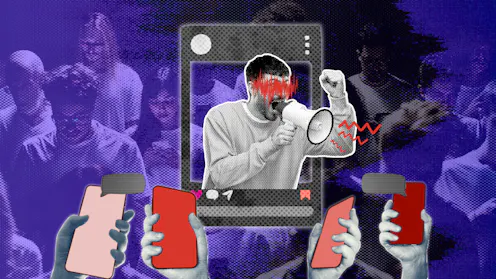
The latest Digital News Report shows Australians are still avoiding traditional media, but are highly sceptical of social media players.
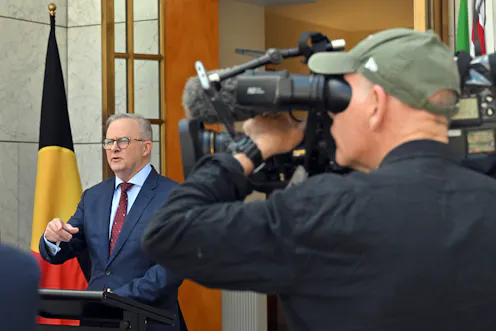
Many Australians find political news off-putting, but it’s vital for our democracy that media outlets work towards making their reporting more accessible and relatable.

A new study shows Australians are wary of news that is produced by AI – but they worry more about its involvement in certain kinds of news than others.
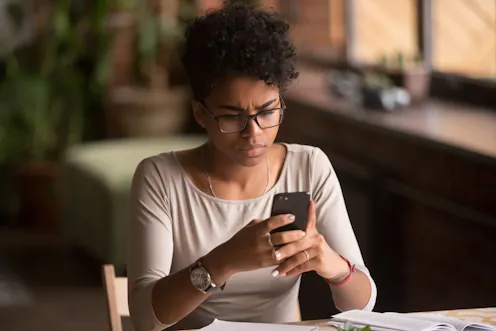
Meanwhile, new research shows Australian women are turning their backs on news more than men, which has implications for the media industry.
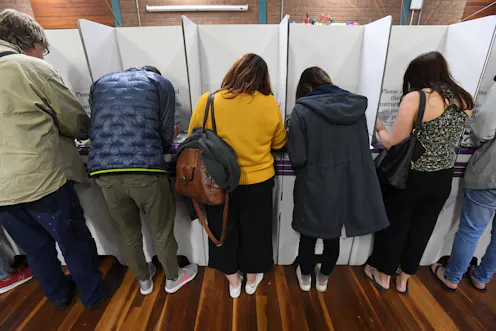
A strategic lie is designed to grab media attention with an initial, deliberate lie. This shifts the news agenda onto a politician’s preferred territory.

Several measures need to be put in place to track the code’s effectiveness in protecting news outlets and the public interest.

New research has found many Australians are not away media organisations are struggling financially, and they also do not believe the government should help them to stay afloat.

With regional news outlets long in decline, people have been increasingly turning to social media for information. Facebook’s news ban places that under threat.
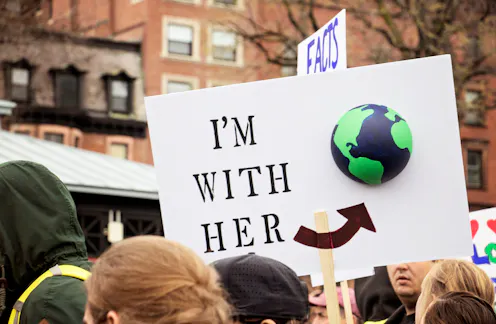
Australia ranks third in the world in climate change deniers. It’s a bronze medal we don’t want.
New research reveals Australians are feeling overwhelmed and anxious about coronavirus news, with younger people particularly worried about its effects.
A new survey found the reputation of the news brand and journalists matters when it comes to public trust in media. Employing more journalists and being more active on social media doesn’t.
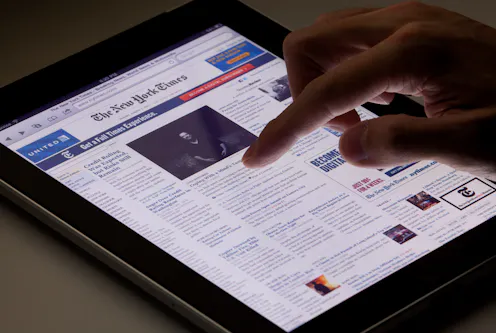
Media Files: Australians’ trust in news media is falling as concern over ‘fake news’ grows
The Conversation47.1 MB (download)
A recent survey found Australian news consumers are the 'lightest' news consumers out of 38 countries, use fewer sources to access news and are more likely to subscribe to Netflix than news.
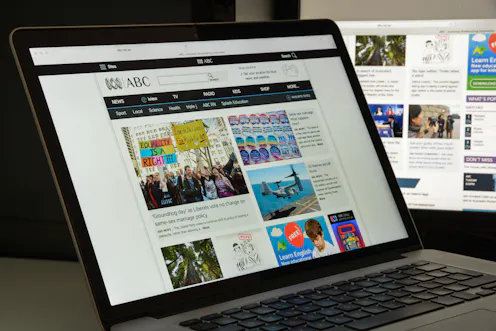
More than a third of Australians say they would prioritise a subscription for a video streaming service, such as Netflix, over a subscription for online news.
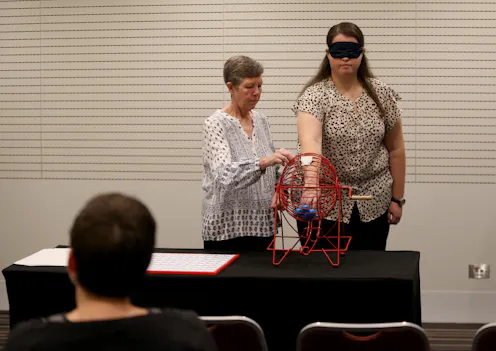
Caroline Fisher on the spin machines of #AusVotes19
Fisher says there has been "a real attempt to soften" Morrison through candid selfies. In contrast, Shorten has opted for more professional shots which portray him "in a more prime ministerial light".
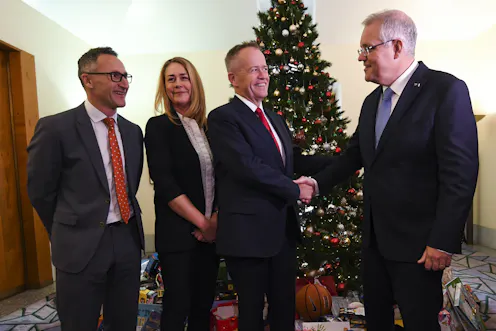
Any good political spin doctor employs a range of overt and covert tactics to get their message across. Here are some of the most common ones.
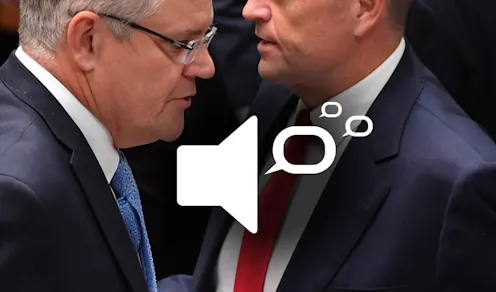
How to spot the work of a political spin doctor this election season
The Conversation, CC BY77.6 MB (download)
There’s a small army of spin doctors behind the scenes of an election campaign, finessing every utterance so it fits with the overall strategy. Today's episode is all about the art of political spin.

It may be because we’re early adopters and know the risks of social media, but a new study has found Australians are particularly careful about expressing political views online.
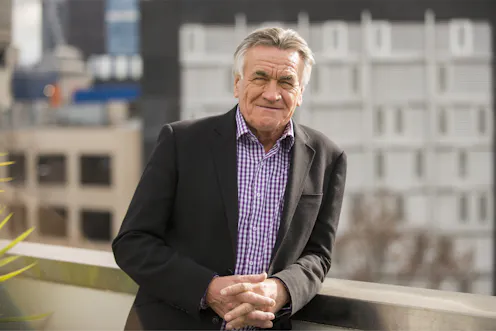
Australian news editors and politicians give their views on the ethical issues arising when reporters return to journalism after time as a political spin doctor.
Contact Caroline for
- General
- Media request
- Speaking request
- Consulting / Advising
- Research collaboration
- Research supervision
- Location: Canberra
- Website
- X (formerly Twitter): @Csquaredfisher
- Article Feed
- ORCID
- Joined
