
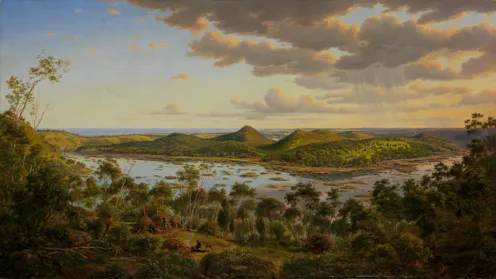
From oyster reefs to bandicoot grasslands, many Australian ecosystems no longer exist. Restoring nature is a good goal – but we cannot return to the past.
- Professor in Conservation Science, School of Ecosystem and Forest Science, The University of Melbourne
It’s ten years since a seminal speech triggered a rush into green finance. What happened to those early hopes?
By measuring what might seem immeasurable, businesses can become part of the solution to the nature crisis.
Spotlight on Australia’s ‘nature positive’ environmental reforms: last chance for this parliament to get serious about halting the decline of nature.
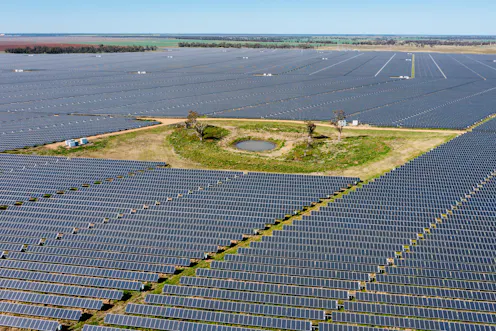
Rapidly reaching net-zero is vital to avoiding the worst ravages of climate change. But doing so in a way that damages nature is self-defeating.
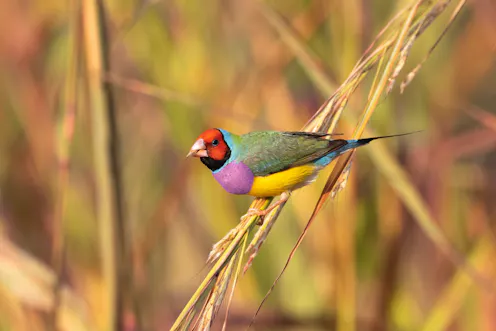
When Labor took office, it promised to reverse nature’s decline. But that looks more and more like greenwashing
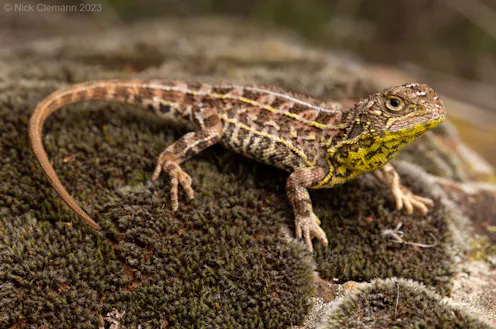
The successful quest to find a species last seen more than 50 years ago has added to the urgency of protecting the vanishing grassland habitat of a lizard that had been feared extinct.
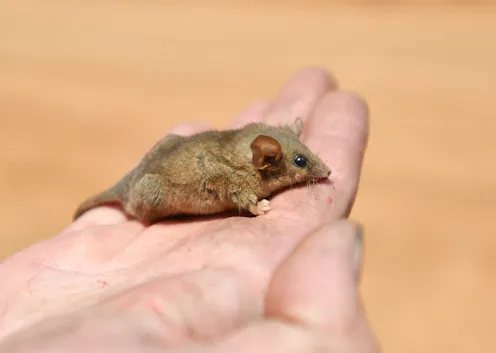
It’s time we question our national priorities, and start funding the nature that sustains us.
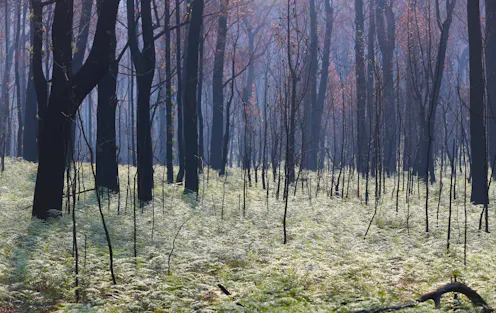
In one finding, fire authorities chose to save a few farm sheds over 5,000 hectares of national park. Clearly, our fire management needs a reset.

The planet is entering its sixth mass extinction event. This global nature summit is our best change to stop this tide of destruction.
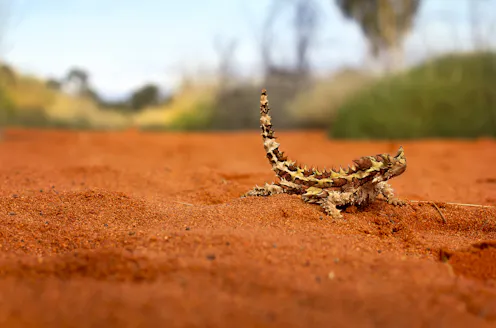
Getting that detail right could mean the difference between a species surviving, or disappearing forever.
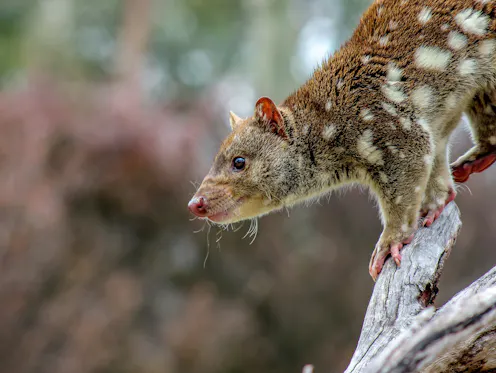
About a third of Victoria’s land-based plants, animals and ecological communities face extinction. We look at what the political parties have promised ahead of the state election.
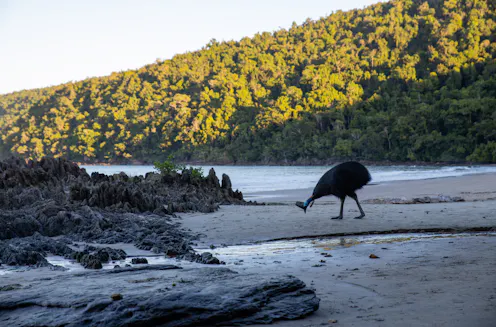
Labor and the Greens launched environmental policies last week. We take a close look at what was promised, and if they’re enough to tackle Australia’s extinction crisis.

The fate of nature underpins our economy and health. Yet in the election campaign to date, there’s been a deafening silence about it.
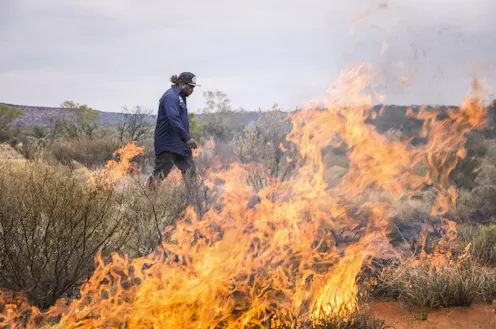
Why rely on unproven technologies when we can store carbon and cut emissions through Country-based and nature-based solutions?
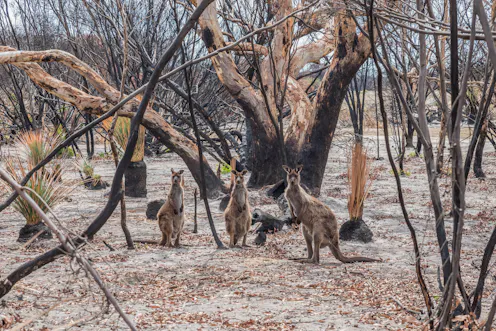
Australia has one of the worst track records in the world for species extinctions. The federal government’s proposed changes could weaken our already inadequate environment law.
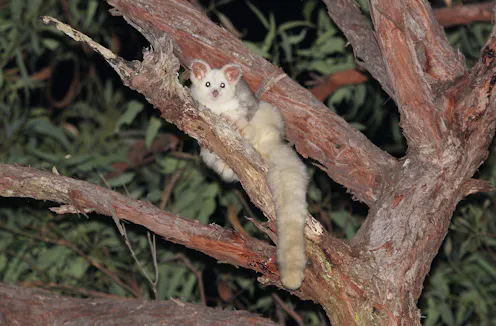
Timber company VicForests won its appeal last week and logging is set to resume. Let’s take a look at the dramatic implications for wildlife and the law.
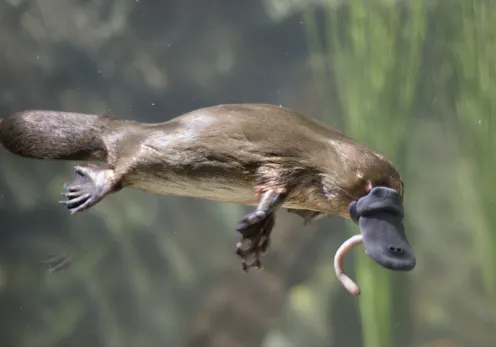
As ecologists, we’ve seen first-hand how Australia’s nature laws have permitted environmental degradation and destruction to the point of extinction.
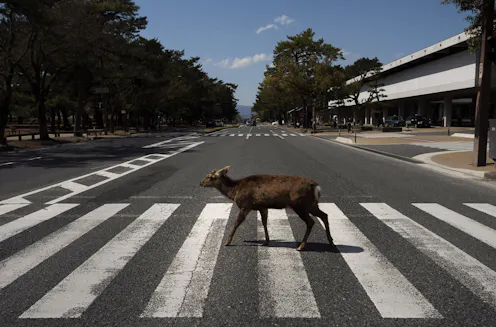
Wildlife is returning to our deserted cities. But will they stay once life returns to normal?
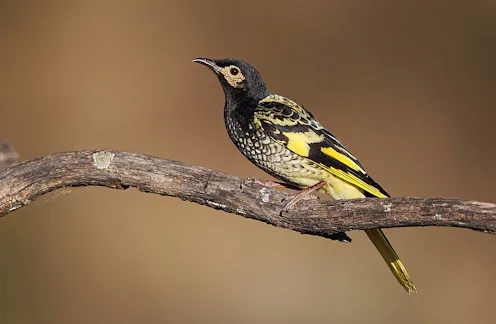
Some threatened species hit hard by the bushfires this summer have populations in and around urban areas, which are now crucial refuges. Here are some tips to help improve their odds of survival.
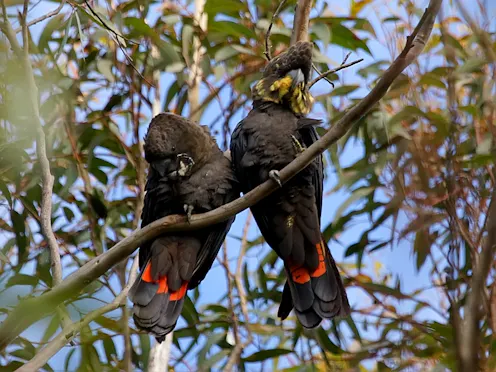
The destruction of recent fires is challenging our belief that with enough time, love and money, every threatened species can be saved. But there is plenty we can, and must, now do.
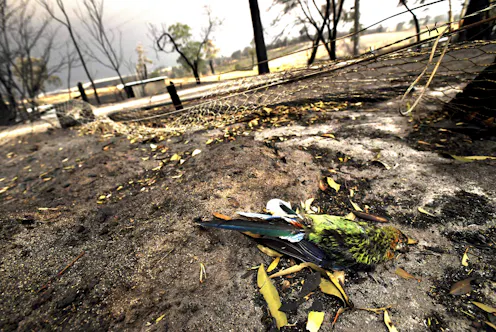
In a matter of weeks, the fires have subverted decades of dedicated conservation efforts for many threatened species.
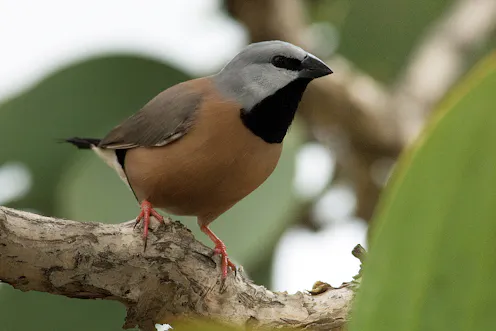
The Queensland government has green-lit an updated version of Adani’s plan to protect the black-throated finch at its Carmichael mine site, after the earlier plan was branded inadequate.

In the event, the federal election turned out to be more about the economy than the environment. But there are steps the Coalition government can take to help conservation and boost the economy too.
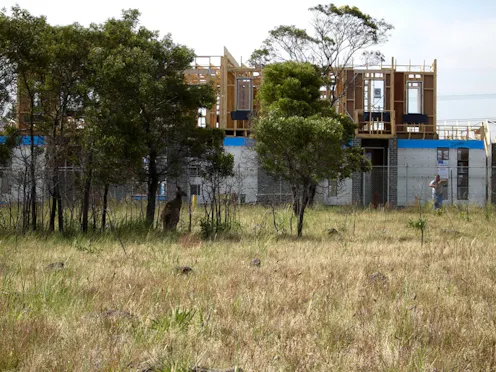
Expanding cities and farmland have created many small, often isolated patches of vegetation. Long seen as having limited ecological value, a new study shows these are vital for endangered species.
Contact Brendan for
- General
- Media request
- Speaking request
- Consulting / Advising
- Research collaboration
- Research supervision
- Location: Melbourne, Australia
- Website
- X (formerly Twitter): @BrenWintle
- Article Feed
- ORCID
- Joined
