
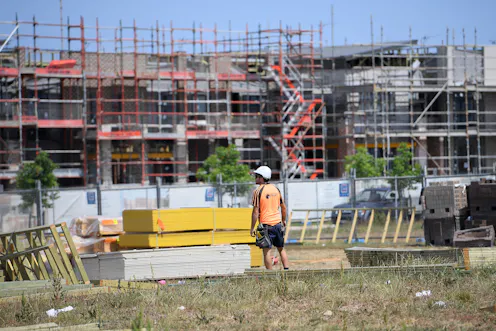
Australian governments are faced with a choice: make the difficult decisions to fix planning systems so more houses can be built, or tap the brakes on Australia’s migrant intake.
- Program Director, Housing and Economic Security, Grattan Institute
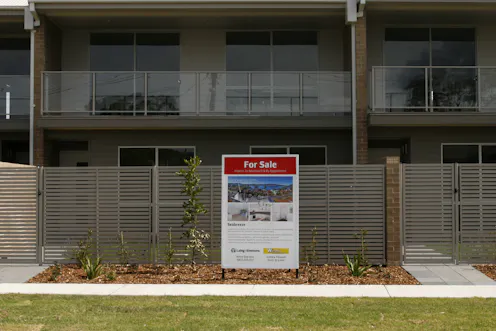
Rising housing costs are hurting low-income Australians the most. The gap in home ownership between rich and poor is widening, house prices are rising fastest at the bottom and rental stress is rising.

When people do downsize, financial incentives are generally not the big things on their minds. And so most of the budget’s financial incentives will go to those who were going to downsize anyway.
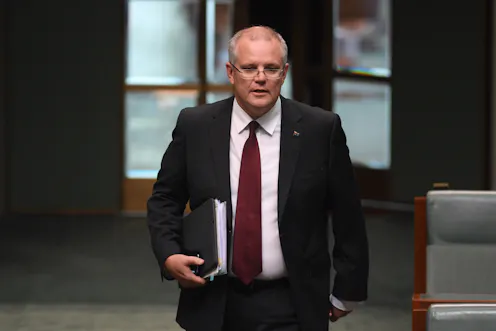
The latest thought bubbles about using super savings for housing might be less harmful than in the past, but they would be just as ineffective.
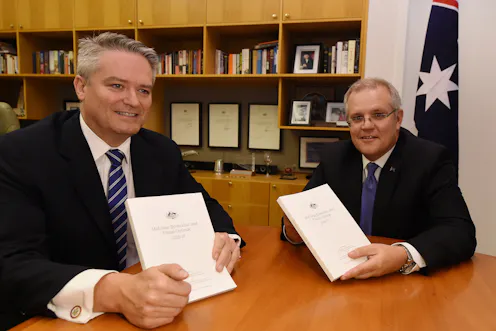
While MYEFO discussion focuses on the budget deficit, experts say it also serves as a stark reminder of the need for bigger policy ideas in Canberra.

Beyond debates about the avocado smash generation lies some misnomers on which generation had it better.

The federal government could save about A$1 billion a year by changing three unfair tax breaks for older Australians, a new report says.

Super is the wrong tool to provide an adequate support in retirement for low-income earners. Our research shows top-up measures to help this group are poorly targeted and too expensive.

Current super policy is compelling people to save for a higher living standard in retirement than they enjoy during their working lives.

Both the government and opposition’s proposed reforms to the superannuation system will target generous tax breaks given mostly to wealthy retirees.
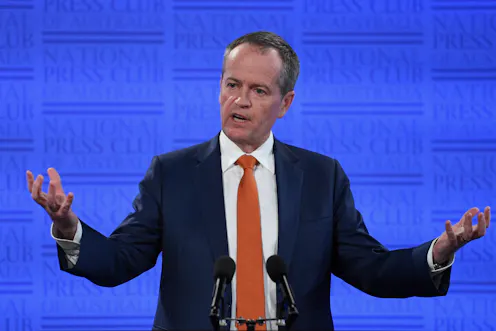
Labor’s superannuation plan shows some promise for budget repair, if the two parties can compromise where it counts.
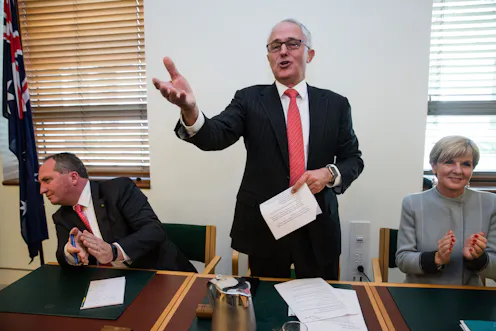
Hoping for the best is not a budget management strategy: but Australia can set realistic goals.
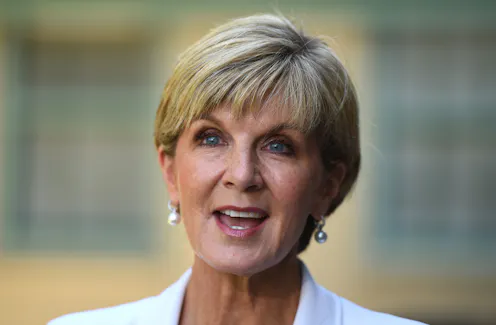
Politicians stumbled over superannuation this week - but there are bigger obstacles they aren’t willing to tackle.

NATSEM’s analysis of the Government’s super tax could easily mislead.

Two government claims about the apparent boost to the economy of company tax are put to the test.
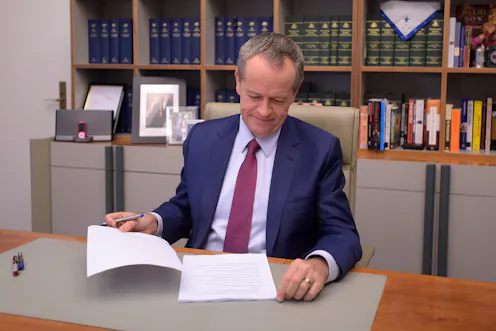
FactCheck unpacks claims that Labor has a $19.5 billion black hole in its economic plan.

The government made many sensible changes to superannuation tax breaks in the budget. But the move to more flexible annual caps on pre-tax contributions is not one of them.
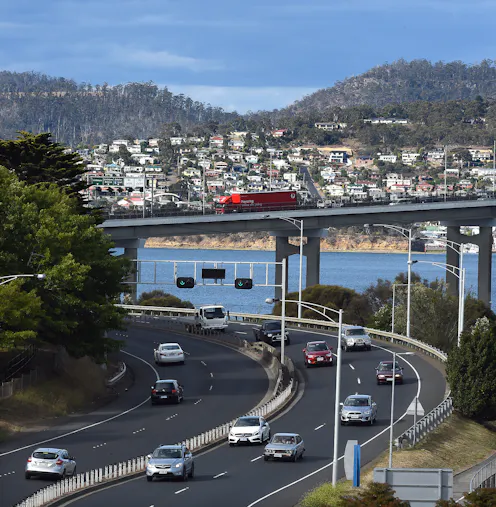
How can we tell whether we have an infrastructure deficit? And if we do, how big is it?

The rhetoric is that “catch-up” superannuation contributions help low income earners. But it’s a myth.

Allowing first home buyers to tap their super would worsen housing affordability, leave many people with less to retire on, and cost taxpayers in the long run.
Contact Brendan for
- General
- Media request
- Speaking request
- Consulting / Advising
- Research collaboration
- Research supervision
