

“Business investment visas” are more likely to fund retail businesses than innovation.
- Program Director, Housing and Economic Security, Grattan Institute

The extraordinary increase in house prices and debt means mortgage rates of 7% would be as painful to borrowers today as rates of 17% were decades ago.
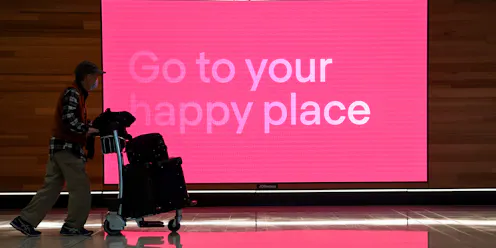
Australia’s 500,000 ‘missing’ temporary migrants have exacerbated labour shortages in some sectors. But there’s no need for policy makers to panic.
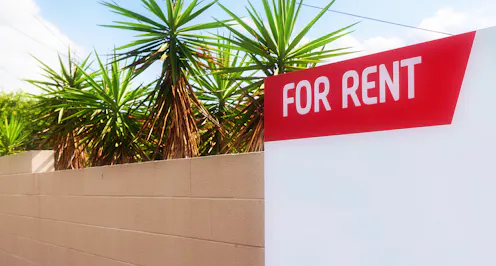
Advertised rents have climbed 10% in the past year. A $250 boost to benefits and a six-month cut in petrol tax won’t much help.

Australia’s debates about migration tend to focus too much on numbers, and not enough on who we choose. Accepting 30,000 more skilled permanent workers is a good move – but there’s more to be done.

Defining skill shortage by lists of occupations is inflexible for a rapidly changing labour market. Australia needs a different approach to organise its temporary skilled migration programs.

When a homeowning couple splits, it is the woman who is most likely to be forced to rent. Our proposal would help change that.
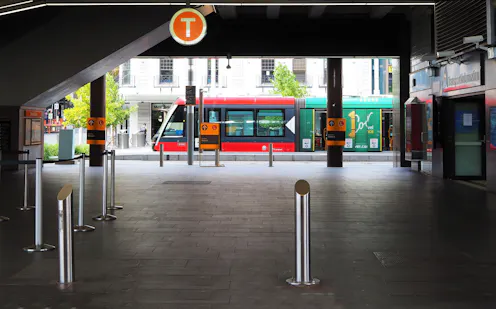
Attributing Australia’s economic success to closed borders runs the risk of leaving us with the wrong lesson the next time the things turn down.

Many farmers want to do the right thing. But their livelihoods will be threatened if weak visa rules allow dodgy operators to mistreat migrant workers.

The Grattan Institute is proposing a $20 billion fund managed by the Future Fund Board of Guardians which, if matched by the states, would fund 6,000 new places per year.

Most skills shortages are temporary. When migrations resumes, the ones we select will be here for decades.

Charging for rezoning is a move other states should follow, as are land taxes. Stamp duty hikes, not so much.
Allowing Australians to use their super to buy homes would most benefit those with the most super. They’re the least in need.

It isn’t available to the bulk of the unemployed, it isn’t available to people who’ve been on JobKeeper rather than JobSeeker, and employers can overclaim.
Josh Frydenberg has told us his 2020 Budget is “all about jobs”. What he hasn’t said is that it is actually aiming for a slower recovery from the recession, as far as unemployment goes, than from most…

Easing off when the unemployment rate is 6% would leave us worse off than we’ve been in decades.

Unless we get unemployment down quickly young Australians will wear the scars of the recession for a decade.

Early access would trim the retirement income of typical 35 year old by just 1%.
The federal government must provide more support if Victorian businesses and households are to survive the state’s Stage 4 lockdown.
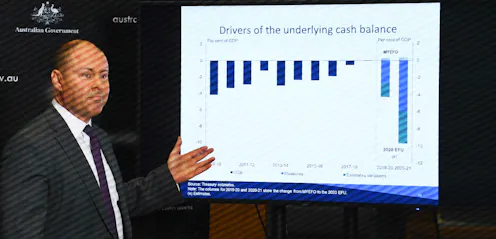
The economy will be in the doldrums for quite some time, but the budget can cope.
Under the new rules, it is possible to get both, but you’ll have to apply and pass the tests.

Without spending the money Australia will have a much higher rate of unemployment than it needs for a very long time, new Grattan Institute calculations find.

It’ll have to fund tens of thousands of homes that were going to be built anyway before it creates a single extra house.
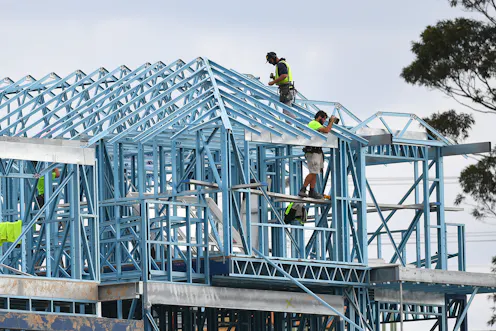
Grants to home buyers could cost the federal government billions without creating any extra jobs in construction. Investing in social housing is a better approach.
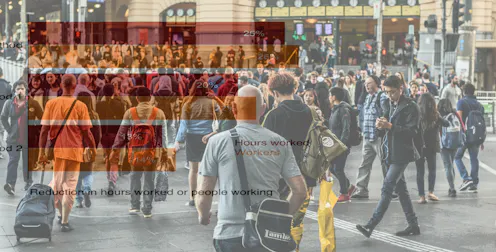
Grattan institute estimates suggest that up to 26% of the workforce – 3.4 million Australians – are likely be thrown out of work as a direct result of the shutdown.
Contact Brendan for
- General
- Media request
- Speaking request
- Consulting / Advising
- Research collaboration
- Research supervision
