

It is commonly assumed that the public health and economic objectives of managing COVID-19 are in conflict. That’s wrong.
- Program Director, Housing and Economic Security, Grattan Institute
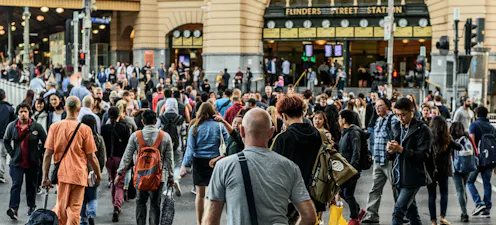
The OECD estimates have Australia less hit than most, but they are only partial and point to Australia’s worst recession on record.

The government’s retirement incomes review should concentrate on boosting rent assistance and Newstart and fixing the pension assets test. These would achieve more than boosting super.

An examination of 80,000 enterprise bargaining agreements finds that on average 80% of each increase in compulsory super has been at the expense of wages.

The key to arresting galloping inequality in Australia comes down to housing policy and reversing spiralling housing costs.

The government is being pressed to bring back a particularly ineffective and wasteful scheme.

New calculations suggest middle earners will earn less over their lives if compulsory super is ramped up from 9.5% of salary to 12% as scheduled.

It is widely believed that compulsory super saves the government money on pensions. It does, but nowhere near enough to pay for the accompanying tax concessions. Lifting compulsory contributions will make things worse, for a century.

You can’t help first home buyers without making other buyers worse off.

Houses will be worth more or less what they would have been, if Labor’s policies are adopted, NSW Treasury analysis says.
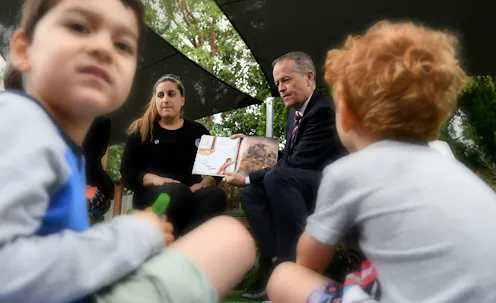
Labor’s childcare policy would do more for the economy than either side’s proposed tax cuts.

In an election about wages, it is bizarre that both sides are planning to raid them to lift compulsory super.
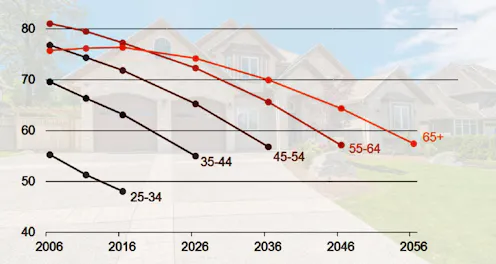
Our retirement incomes system has been built around the assumption that most will own their own homes. New projections suggest it’s no longer valid.

If you’ve got money and are in your mid-60s you’ll be able to funnel more into super without even working under a budget plan that makes a mockery of super.

Labor’s proposed amendments to the Coalition’s Protecting Your Super Bill would have cost young Australians $400 million a year.

Increases in super contributions come out of our own pockets. In the past Shorten and Keating have conceded this.
Compelling Australians to put even more into super runs the risk of giving them a better standard of living in retirement than they had while working.
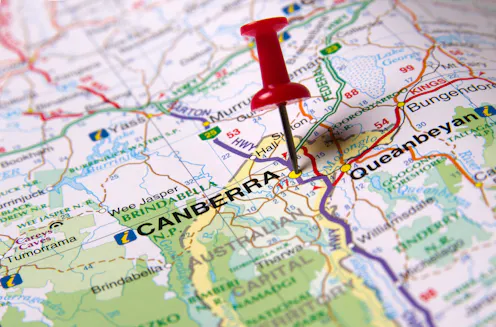
The Grattan Institute says swapping stamp duty for land tax would make Australians up to $17 billion a year better off.
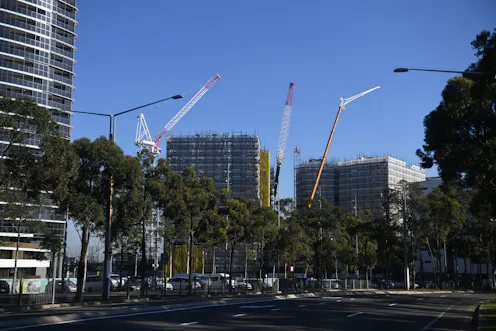
Governments should stop offering false hopes and pandering to NIMBY pressures. As well as increased public and private housing supply, growing cities need well-designed higher-density development.

Bill Shorten says Labor’s plan to make super contributions on behalf of women on paid parental leave would have a “big impact”. We find its impact would be be minuscule.
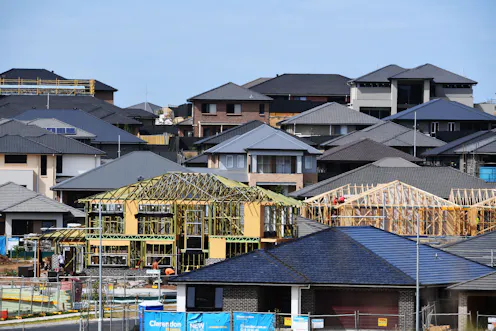
Migrants have similar home ownership rates to the overall population and rely less on public housing. But housing supply shortfalls and higher prices have reduced ownership among recent migrants.

The financial institutions fronting the Financial Services Royal Commission are also the ones controlling mortgages, so will an expose of their dealings push property prices down?

Here are five ways the Treasurer could boost revenue to make the numbers work.
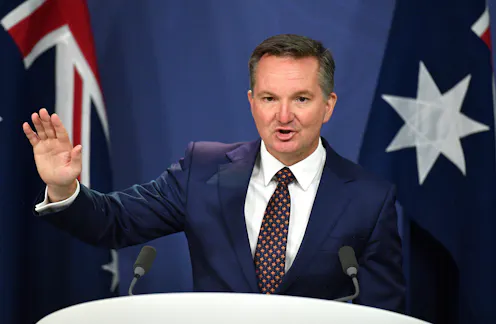
Scrapping cash refunds on dividends could make the tax system fairer. But super funds could invest less in Australian companies.
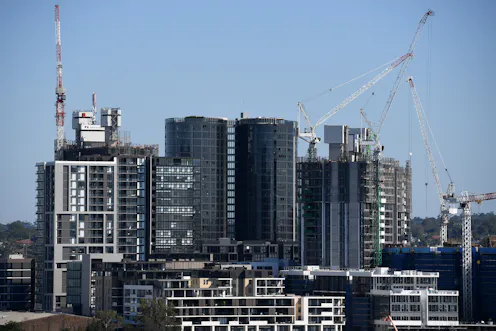
Zoning restrictions added A$489,000 to the price of a detached house in Sydney, A$324,000 in Melbourne, A$159,000 in Brisbane, and A$206,000 in Perth.
Contact Brendan for
- General
- Media request
- Speaking request
- Consulting / Advising
- Research collaboration
- Research supervision
