
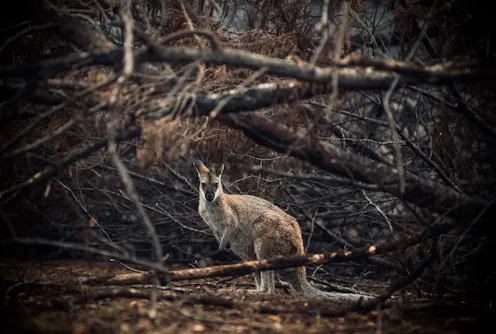
The paltry spending means many species severely impacted by the megafires were left in desperate trouble, potentially pushing some closer to extinction.
- ARC Future Fellow, Queensland University of Technology
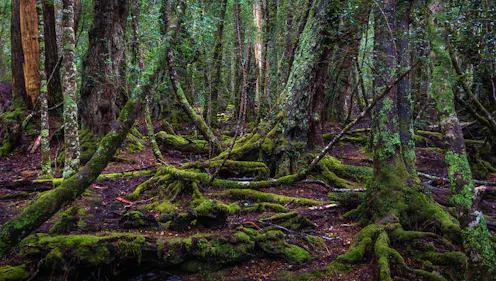
The findings are staggering in their representation of loss and environmental degradation across Australia. While I am disappointed, I am unfortunately not surprised.
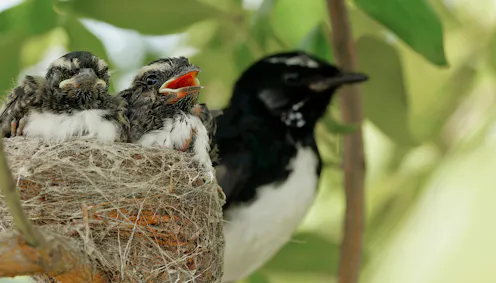
Somehow, female birds manage to hold their families together despite predators, harsh conditions and sometimes, a less-than-attentive partner.
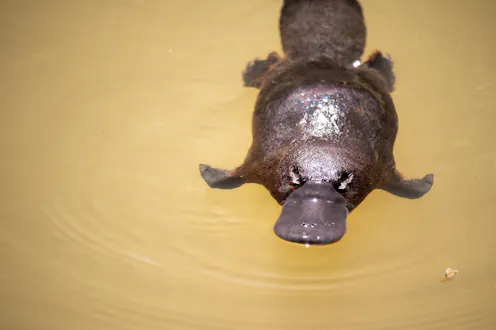
We don’t have to passively sit back and watch Australia’s species and ecosystems die. Here are five concrete steps the next government should take.
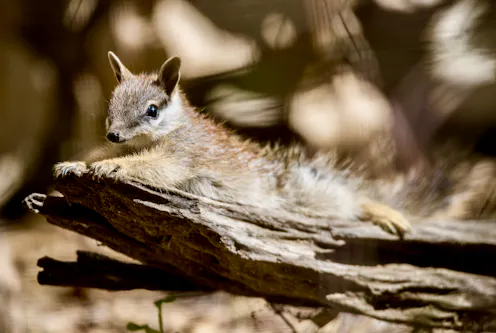
Given the scale of the problem, five years was never enough time to turn things around. Clearly, we must reflect honestly on our successes and failures so far.
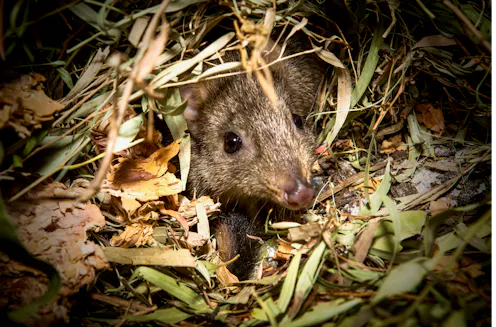
Saving our threatened species shouldn’t be seen as a cost, but rather a very savvy investment to ensure the support systems sustaining life on Earth remain intact.
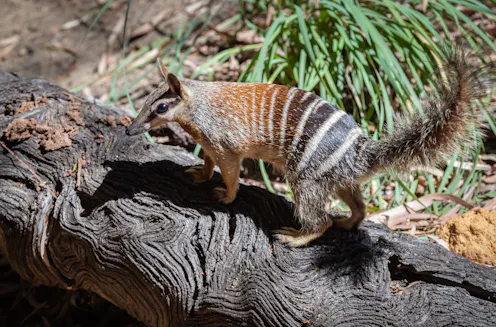
The first Threatened Species Strategy fizzled out last year without making a big difference to conservation. With the next strategy due to roll out this year, let’s look at what needs to change.
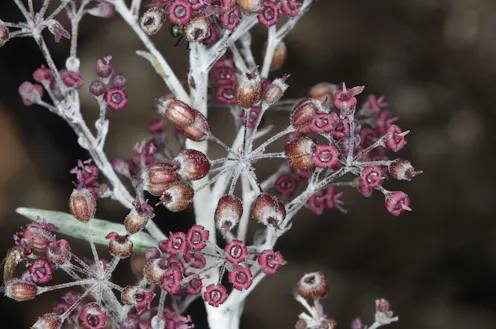
Australia’s plants help make our landscapes unique. But many are in grave danger of extinction, and in many cases, the problem is getting worse.
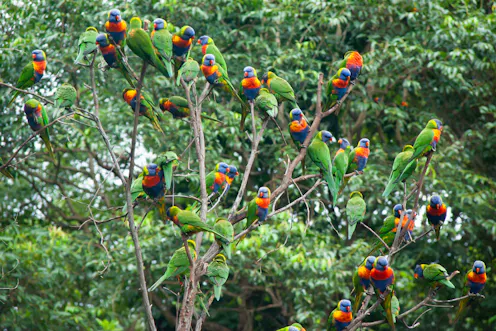
In April, BirdLife Australia survey numbers jumped to 2,242. That’s a tenfold increase from 241 in April last year.

As scientists frantically try to find drugs to slow COVID-19’s spread, citizen science offers an opportunity for all of us to get involved.

In this time of natural destruction, children’s books featuring Australian wildlife are critical to fostering environmental awareness in the next generation.
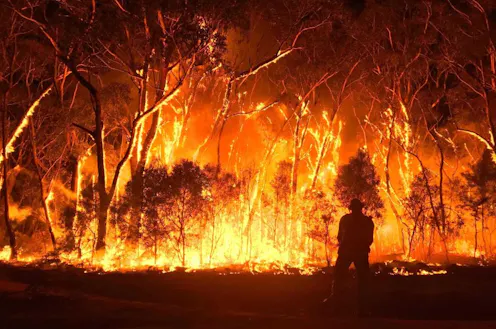
Approximately 70 nationally threatened species have had at least 50% of their range burnt, while nearly 160 threatened species have had more than 20% burnt.
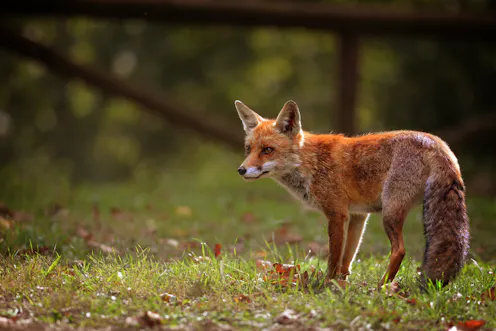
Some predators thrive after fires, other wilt – and one bird even starts them on purpose.
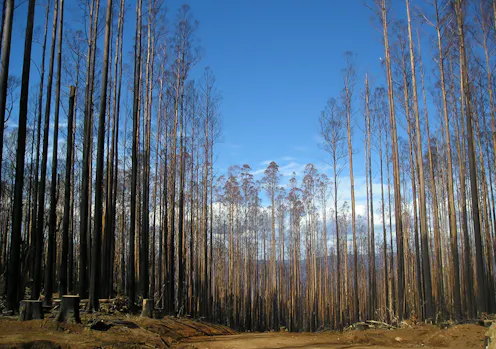
In the aftermath of fires or logging, conservation needs to focus on recovering the health of the remaining vegetation, not just the size of the forest or woodland.
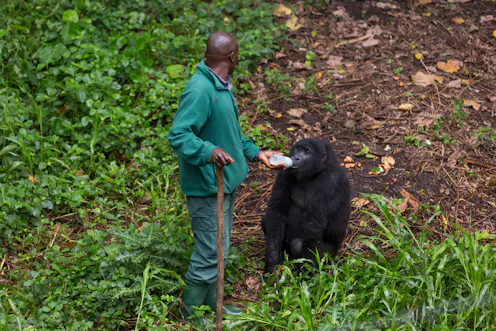
For the survival of iconic species in Africa, it is crucial that conservation efforts do not ignore conflict zones.
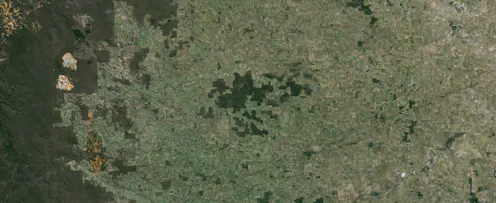
Australia may have reputation for vast areas of wilderness, but in reality the continent’s ecosystems have been chopped and diced. Now we need to protect what’s left.
Contact Ayesha for
- General
- Media request
- Speaking request
- Consulting / Advising
- Research collaboration
- Research supervision
