

Commercial TV broadcasters once commissioned around 300 hours of Australian drama each year. Last year, they commissioned just nine hours of new, non-soap drama.
- Professor of Media Studies, Queensland University of Technology

Commercial TV is nearing the bottom of a financial decline much like the one faced by newspapers 20 years ago. That will have consequences for what appears on our screens.

Australian TV drama series have shrunk in length from their heyday, and broadcasters are making 20% less of them than they did two decades ago.
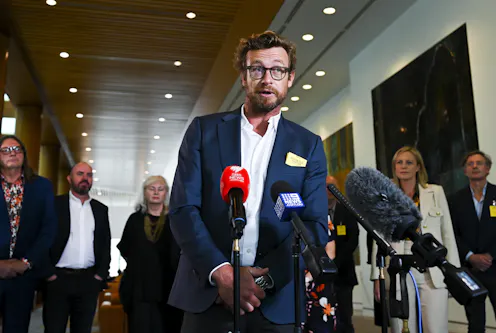
Pursuing local content requirements on streaming services is a high risk, low reward campaign. The reality is global streamers can’t save Australian television.

If the government wants to save the social benefit of public-interest journalism, it must look beyond the News Media and Digital Platforms Mandatory Bargaining Code.

Australian drama, documentary and children’s programs deserve better support – removing content quotas may be the way forward.

With commercial broadcasters threatening to thumb their noses at local content quotas, it’s time government finds new tools appropriate for the 21st century television environment.
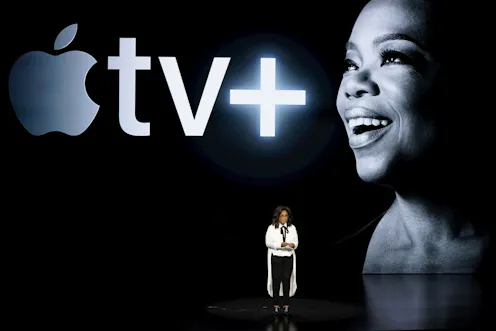
Although some have dubbed the flurry of new video services coming out as a ‘streaming war,’ the reality is very different.

No regulation can fix the disruption of journalism by search engines, social media and digital content aggregators.
US lawmakers and regulators are beginning to investigate big tech’s growing power, but they need to look beyond size and into their very natures.

While they may talk about ‘free speech,’ businesses make decisions about their content based on a very different set of principles.

A scholar of the media business tries to make sense of the flurry of merger news lately, and why the contested tie-up between AT&T and Time Warner will profoundly reshape the American media landscape.

It’s worth looking at how local news stations have traditionally operated.
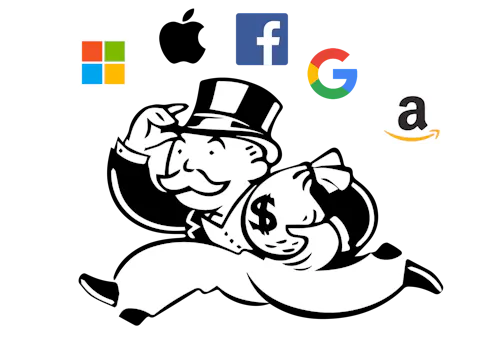
When thinking about regulating them, it’s useful to know Facebook, Amazon, Google, Apple and Microsoft have some similarities. But generally they’re not competing with each other – or anyone else.

In the coming year, media companies will be adjusting to a new reality – one that ultimately leaves consumers with fewer choices.

Disney recently announced a forthcoming streaming service, leading some to wonder if the company is gearing up for a battle with Netflix. But not all streaming services are locked in a death match.

A unique set of circumstances allowed HBO to beat Netflix to the punch.

In sports media – as in sports – no one is invincible.
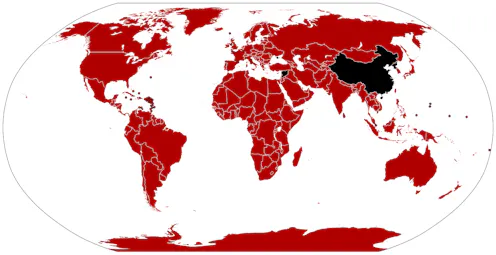
Netflix has seamlessly adapted to new technologies and disrupted existing business models. But unlike traditional media enterprises, Netflix has never tried to attract a mass audience.

Next year Hulu and Google will introduce their own bundled channel services. Will it spark an online TV revolution or simply lead to more of the same?

Live events like sports seemed immune to streaming services’ assault on traditional broadcast TV. Now that might change.

If you like binge-watching Netflix, streaming audio or online gaming, then you should be celebrating this week. And if your business depends on reaching a wide audience online, you should join in.
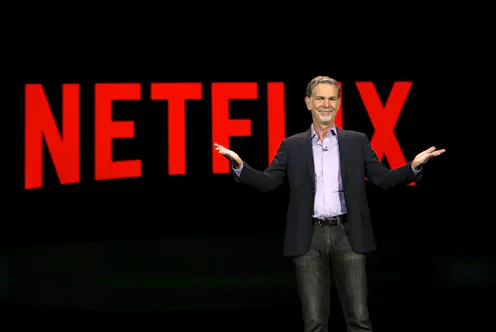
Because Netflix continually upends established business models, evaluating the company can difficult.

A post-network era looms. What does this mean for the way we watch – and pay for – television shows?

Its ratings are worse. So why is Fresh Off the Boat considered a success, while All-American Girl was canceled?
Contact Amanda for
- General
- Media request
- Speaking request
- Consulting / Advising
- Research collaboration
- Research supervision
- Location: Brisbane, QLD, Australia
- Website
- X (formerly Twitter): @DrTVLotz
- Article Feed
- ORCID
- Joined
