
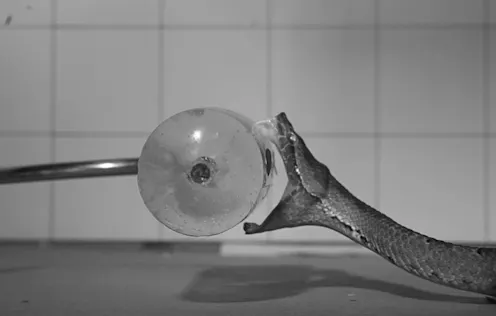
A new study shows how different snake species have evolved very different strategies to deliver their deadly bites.
- Professor, School of Biological Sciences, Monash University
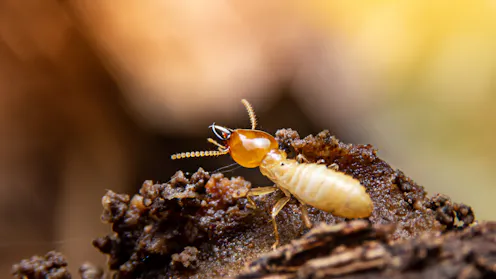
One fossilised log from southern Australia has spilled the dirt on termites’ very cold and very ancient past.
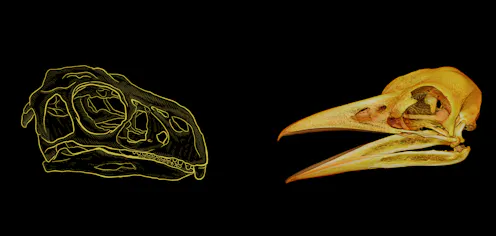
Bird beaks are incredibly diverse – but there’s a way to explain the pattern of their evolution.
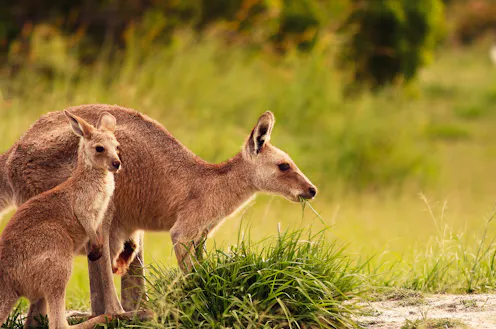
Yearly growth lines and a conveyor belt of molars show how marsupial teeth carry a surprising amount of information.
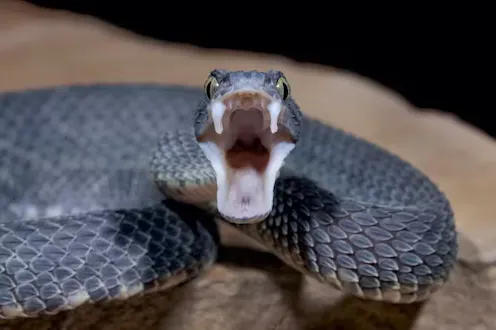
Beberapa ular memiliki taring yang keras dan tumpul untuk memecahkan kepiting. Ada pula taring ular yang tajam untuk mencengkeram tikus.
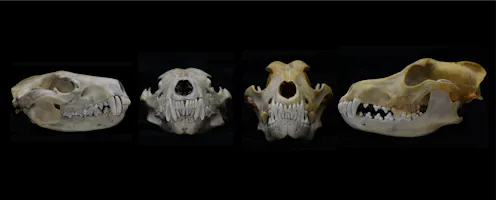
The researchers found tooth shape varied, depending on the types of food a carnivore regularly bites into – in much the same way we choose a kitchen knife depending on what we’re cutting up.
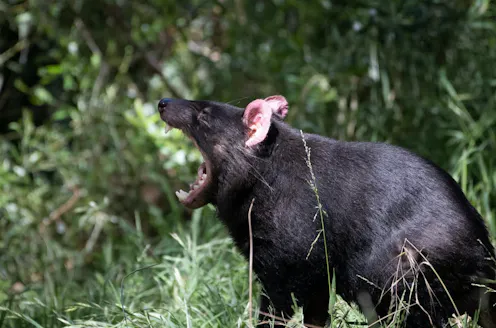
Tassie devils are notorious scavengers, eating everything from echidnas to stranded whales. Understanding how their teeth wear down can help us feed and protect captive populations.
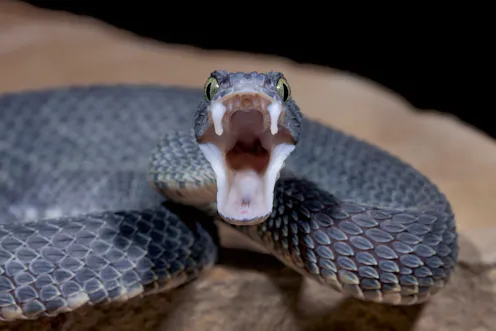
Some snakes have tough, blunt fangs for cracking crabs. Others have sharp needles for getting a grip on mice.
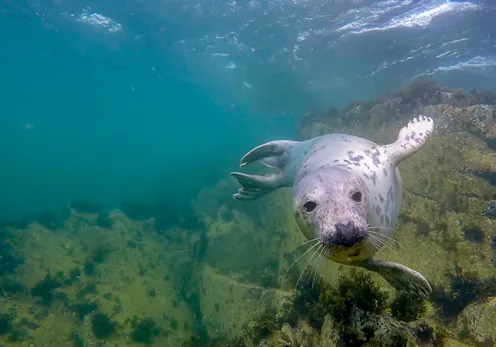
New research combines cutting-edge engineering with animal behaviour to explain the origins of efficient swimming in nature’s underwater acrobats: seals and sea lions.
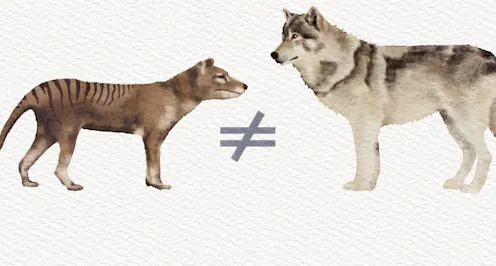
The Tasmanian tiger’s superficial appearance was so similar to a wolf’s that European colonisers assumed it was a threat and hunted it to extinction.
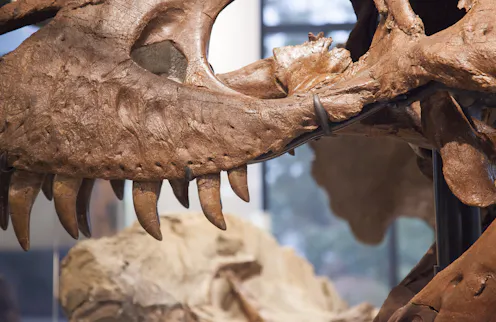
Teeth, horns, claws, beaks, shells and even plant prickles — the power cascade rule can be observed far and wide throughout nature, much like the famous golden ratio.
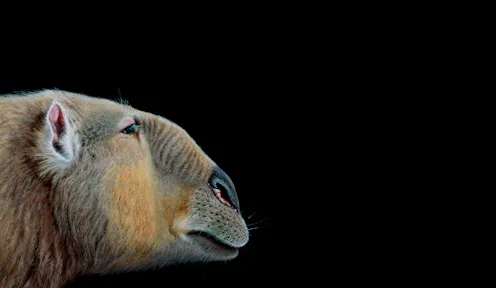
A new study shows Palorchestes had unique elbows unlike any other mammal, which may have contributed to its extinction.
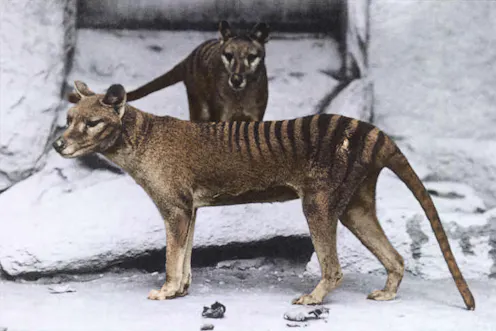
The “Tasmanian tiger” was hunted to extinction based on its perceived size as a predator big enough to take sheep. But it seems this was just a tall tale, and the thylacine weighed just 16.7kg.
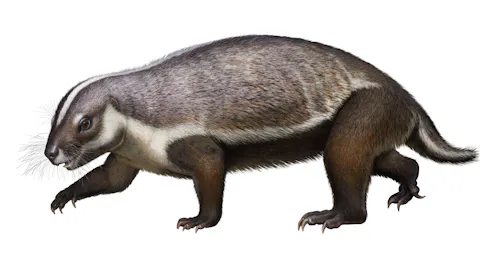
This ancient cat-sized animal lived millions of years ago and had features not found in any of today’s mammals.
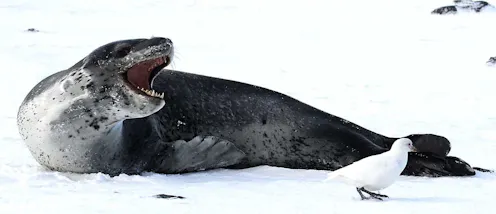
Cooperation or theft? New observations show wild leopard seals sharing food when targeting king penguins in Antarctica.
Contact Alistair for
- General
- Media request
- Speaking request
- Consulting / Advising
- Research collaboration
- Research supervision
- Location: Melbourne, Australia
- Website
- X (formerly Twitter): @DrTeethAl
- Article Feed
- ORCID
- Joined
