
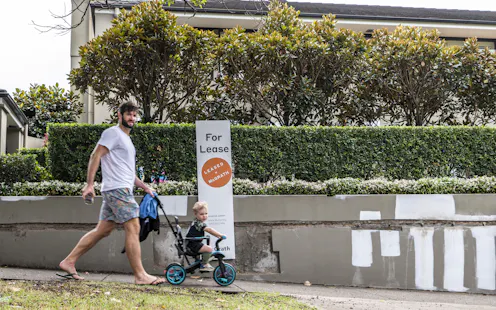
The NSW government was broadly lauded when it scrapped no-grounds evictions but a recent change could make things tougher for tenants.
- Professor, Institute for Public Policy and Governance, University of Technology Sydney
Neither major party wants to change two longstanding concessions for property investors – negative gearing and the capital gains tax discount. We invited four experts to unpack who benefits, and how.
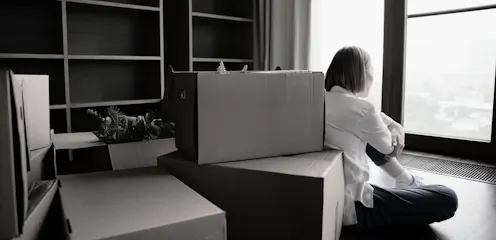
There are few things more scary for Australian renters than being evicted. New research shows how severe the consequences can be.
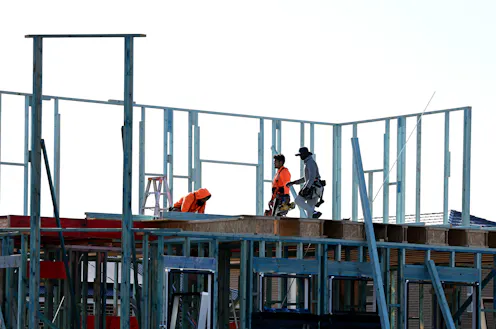
Limiting or scrapping negative gearing and the capital gains tax discount would help take the heat out of the market and give the government much more money to invest in social housing.
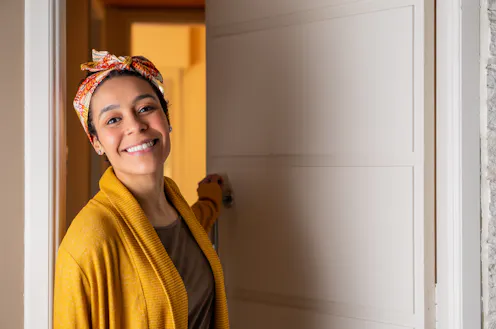
People wait years for social housing. In before-and-after interviews, the fortunate ones who were placed in secure, affordable housing describe the profound difference it has made in their lives.
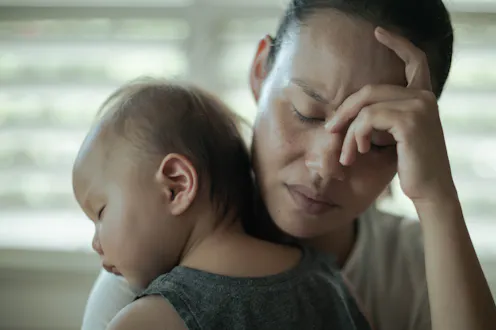
People on the general waiting list can wait a decade to be housed. Even those on the priority list may wait years. Asked how the wait affects them, their responses reveal devastating impacts.
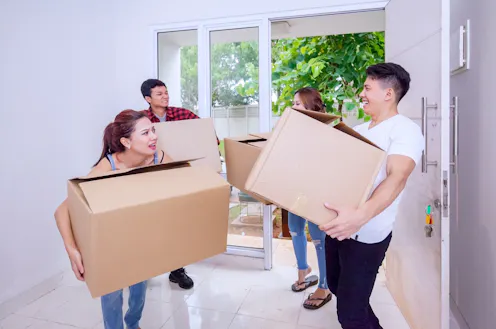
About one in four international students were in severe financial stress just before COVID hit, and soaring rents and record low vacancies are likely to make their plight even worse now.
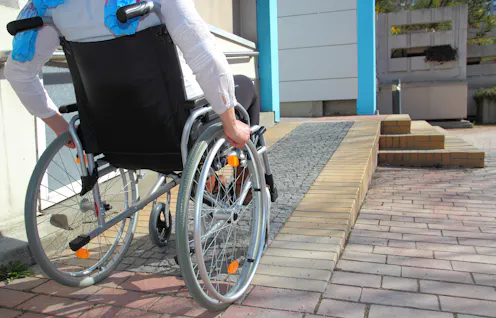
A serious disability is one of the most common reasons people apply for social housing. The long wait for a suitable home just adds to the daily challenges they face.
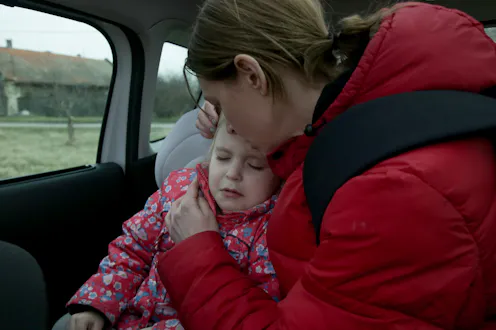
Domestic violence is a leading cause of homelessness. The stories of women who had to flee their homes make it clear the dire shortage of social housing in Australia leaves them with nowhere to go.
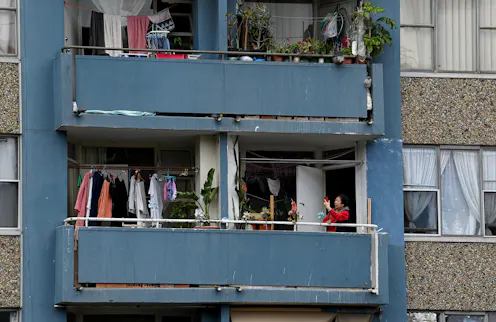
One social housing application assessor told us getting on the priority wait list is so challenging, some applicants abandon the process altogether.
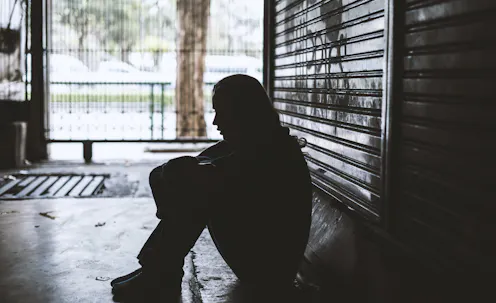
Low literacy levels are a common contributing factor in Australia’s homeless population. We asked people who have experienced homelessness how poor literacy affected their lives – and what would help.
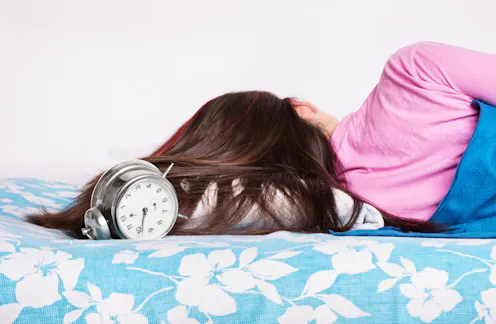
Even before the pandemic added to their financial stresses, a survey of international students suggests more than 20,000 were renting beds that are available to them for only certain hours.

We interviewed 22 low-income Australians aged 65 or older. They present a heartbreaking picture of energy poverty and the loneliness that comes with it.
Of the students with jobs, 60% lost them and and two-thirds of the rest had hours cut. As they struggled, and often failed, to get rents and tuition fees reduced, precarious lives became even harder.
Even before COVID-19, 22% of international students often went without food or necessities and almost half depended on paid work to cover the rent. With many of their jobs gone, they’re now desperate.

One in four Australian households now rent their homes in the private rental market. Flexibility and lifestyle are key reasons some choose to rent even if they can afford to buy a home.
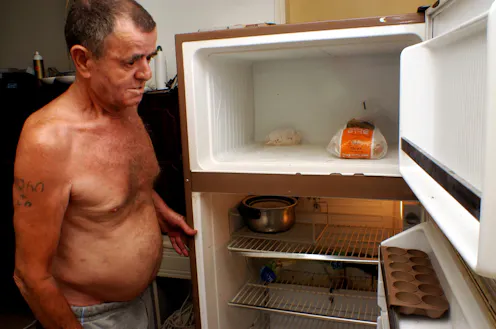
While politicians ignore calls to raise Newstart, alarming levels of financial stress among private renters, particularly in low-rent outer suburbs, show why current welfare payments are too low.

‘People felt totally trapped’: what it’s like to be a pensioner renting privately as Australia’s housing costs soar
The Conversation, CC BY39 MB (download)
On today's episode, Alan Morris shares some of the deeply moving stories he heard when he set out to interview older Australians in private rental accommodation and social housing about loneliness.
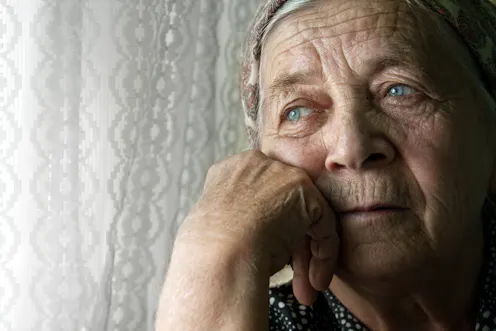
Increasing numbers of older Australians don’t own their homes. Whether they are private renters or live in social housing can make a big difference to their risk of loneliness and anxiety.
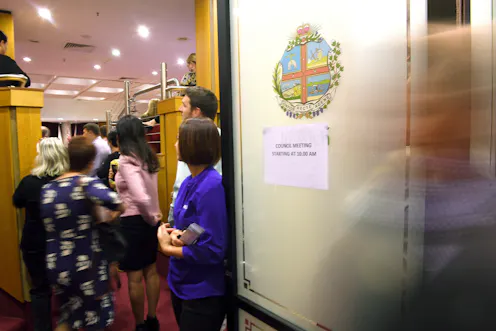
A national survey shows councils know much of the housing in their local areas isn’t affordable. But providing affordable housing is not a priority because they see it as being beyond their means.
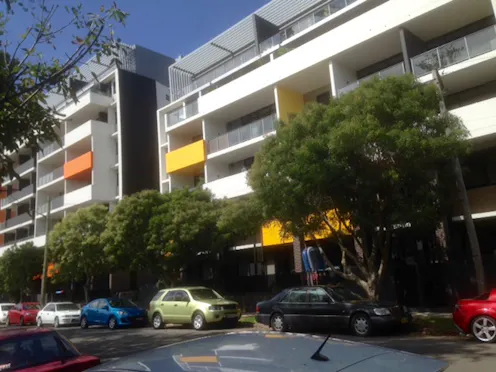
If local government is to deliver affordable housing, state and federal governments must assist. Even councils as powerful and well resourced as the City of Sydney cannot do it by themselves.
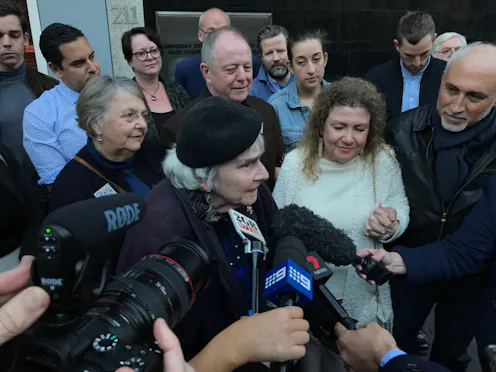
All but a handful of the former public housing tenants are gone. But despite the government again rejecting the recommended heritage listing of the Sirius building, the fight to save it isn’t over.
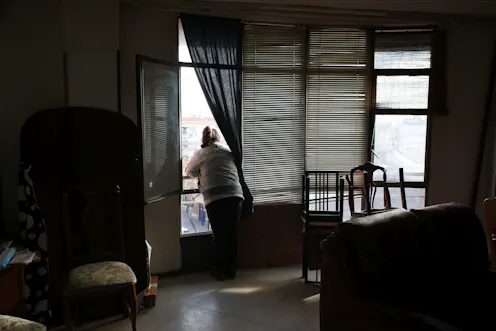
The last 24 public housing tenants holding out against eviction from Millers Point, Dawes Point and the Sirius Building still hope the government may show some compassion.
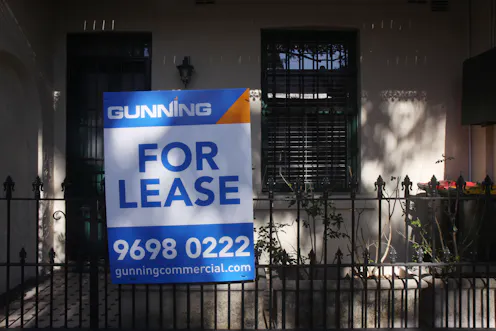
Private renters’ security of tenure in Australia has less legal protection than in other countries with high private rental rates. A new study reveals mixed responses to this state of uncertainty.

For the increasing proportion of people living in private rental accommodation who can expect to be dependent on the age pension, the prospects of financial and housing insecurity are grim.
Contact Alan for
- General
- Media request
- Speaking request
- Consulting / Advising
- Research collaboration
- Research supervision
What is this? Become a friend.
- Location: Sydney, NSW
- Website
- Article Feed
- ORCID
- Joined
