
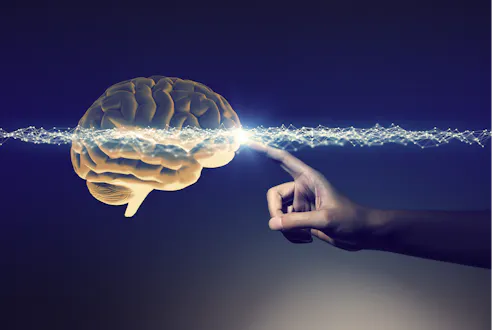
From dementia to depression to drug addiction, artificial brain stimulation has been hailed as a landmark medical technology for the future. But safeguards are needed if we want the benefits without the risks.
- Senior Research Fellow, Monash University

Australia produces nearly 10,000 PhD graduates each year. What happens to them next?

Developers working on apps to help monitor and improve our health could accidentally find themselves on the wrong side of the law.

Brain stimulating headsets are being enthusiastically taken up by gamers aiming to boost performance. But there are risks, particularly for children or those vulnerable to mental health problems.

Cannabis is the most widely used illicit drug with more than 181 million consumers worldwide, three quarters of whom are men. Why do men and women use cannabis?

Are addicts sick and helpless victims with little control over their own behaviour, or brazen criminals who deserve to be punished accordingly?

The legislative changes poised to increase the availability of cannabis are outpacing our understanding of the impact that the drug has on the brain.

Alcohol industry-funded organisation DrinkWise has released a new advertising campaign titled Drinking – Do it properly that will supposedly reduce the harmful effects of binge drinking among young Australians…
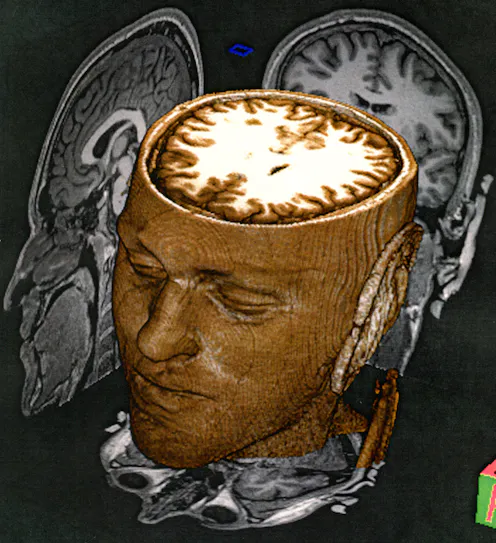
Deep brain stimulation (DBS) is a remarkable therapeutic innovation that has restored the lives of many individuals with intractable neurological disorders. Nowhere is this more evident than in crippling…
Contact Adrian for
- General
- Media request
- Speaking request
- Consulting / Advising
- Research collaboration
- Research supervision
- Location: Melbourne, Australia
- Website
- X (formerly Twitter): @NeuroethicsAU
- Article Feed
- ORCID
- Joined
